In the fast-paced world of commercial kitchens, restaurants, and food processing facilities, efficiency isn’t just a luxury—it’s a necessity. Imagine reducing hours of manual labor into mere minutes, achieving perfectly uniform cuts every time, and significantly boosting your kitchen’s output. This is precisely the power an industrial vegetable chopper brings to the table, transforming the way fresh produce is handled. For businesses that thrive on high-volume food preparation, investing in the right industrial vegetable chopper is not just an upgrade; it’s a strategic move to optimize operations, enhance consistency, and improve overall profitability.
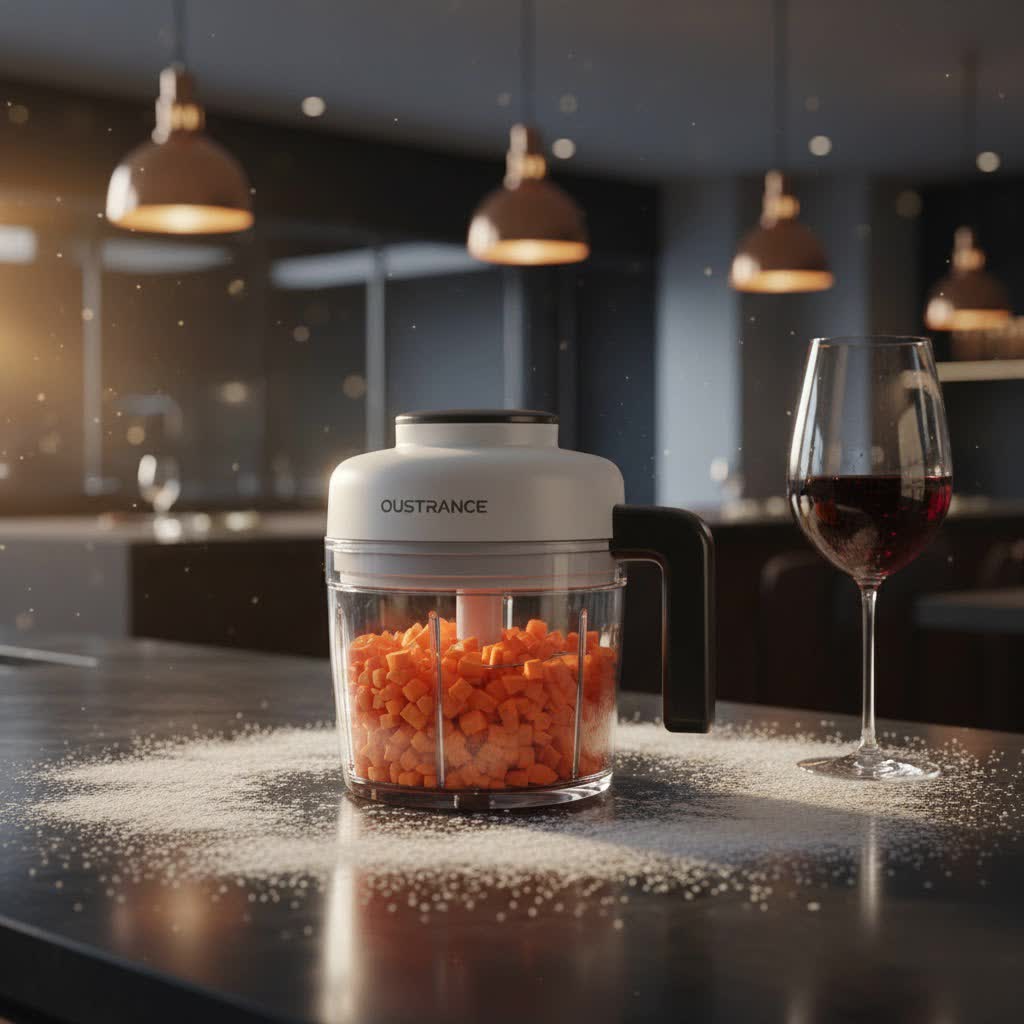
Industrial Vegetable Chopper: The Time-Saving Solution for Modern Kitchens
An industrial vegetable chopper is a specialized kitchen appliance engineered to process large quantities of vegetables quickly and uniformly. Unlike their smaller, home-use counterparts, these robust machines are built for continuous, heavy-duty operation, featuring powerful motors, industrial-grade materials, and precision blade systems. From dicing onions to slicing potatoes or shredding cabbage, these choppers streamline the entire food preparation process, making them indispensable in any professional setting.
The benefits of integrating an industrial vegetable chopper into your kitchen are manifold. Firstly, they offer unparalleled time optimization. Tasks that once consumed significant manual labor and hours of prep time can now be completed in minutes, especially crucial during peak service hours. This dramatic increase in efficiency allows staff to focus on more complex culinary tasks, maximizing productivity across the board. Secondly, these machines ensure consistent cuts, a hallmark of professional food preparation. Every slice, dice, or julienne is uniform in size, which not only enhances the visual appeal of dishes but also guarantees even cooking, leading to superior taste and texture. Beyond these, industrial choppers contribute to cost-efficiency by reducing reliance on manual labor, minimizing food waste due to inconsistent knife skills, and enhancing kitchen safety by significantly reducing the risk of knife-related injuries.
Types of Industrial Vegetable Choppers
Choosing the right industrial vegetable chopper starts with understanding the various types available, each designed to meet specific operational demands and production volumes.
Manual Industrial Vegetable Choppers
Manual industrial vegetable choppers, often operated via a lever or push-down mechanism, are straightforward and require no electricity.
- Pros: They are generally more affordable, portable, and simple to operate, making them accessible for various setups. Their independence from electrical power makes them versatile for different kitchen layouts or even outdoor catering events.
- Cons: These choppers are labor-intensive and offer lower output compared to electric models, making them less suitable for extremely high-volume tasks.
- Suited for: Smaller cafes, delis, or operations with lower daily vegetable processing needs, where specific, consistent cuts are required without the continuous high volume.
|
Our Picks for the Best Vegetable Chopper in 2026
As an Amazon Associate I earn from qualifying purchases.
|
||
| Num | Product | Action |
|---|---|---|
| 1 | Mueller Pro-Series All-in-One, 12 Blade Mandoline Slicer for Kitchen, Food Chopper, Vegetable Slicer and Spiralizer, Cutter, Dicer, Grater, Kitchen Gadgets Sets with Container, White Sand/Gray |

|
| 2 | Mueller Vegetable Chopper Mandoline Slicer, Food Veggie Chopper, Cheese Grater, Onion Vegetable Cutter with Container, Dicer, Kitchen Gadgets & Essentials, White Sand/Grey |
|
| 3 | Vegetable Chopper,12-in-1 Multifunctional Food Chopper,Professional Onion Chopper with 7 Blades,Vegetable Cutter with Container for Salad,Potato,Carrot,and Garlic; Essential Kitchen Tool(Grey) |
|
| 4 | Semi-Automatic 12-Inch Commercial Electric Food Slicer - 370W Motor with Precision-Adjust Blade for Home & Kitchen Use Chromium Steel Construction |
|
| 5 | ONCE FOR ALL Safe Mandoline Slicer 5 in 1 Vegetable Chopper Food Potato Cutter, Strips Julienne Dicer Adjustable Thickness 0.1-8 mm Kitchen Chopping Artifact Fast Meal Prep (Gray) |
|
| 6 | Mueller The Real Original Pro Chopper since 2013 Vegetable Chopper Mandoline Slicer, 8 Blade Food Veggie Chopper Onion Vegetable Cutter with Container, Kitchen Gadgets & Essentials, (10 in 1) |
|
| 7 | Fullstar Mandoline Slicer for Kitchen - Vegetable Chopper, Onion Potato Food Veggie Fruit Slicer and Cutter with Container, Kitchen Gadgets & Gifts, Home Essentials (6-in-1, White/Black) |
|
| 8 | OXO Good Grips Vegetable Chopper |
|
| 9 | Fullstar The Original Pro Chopper - Vegetable Chopper and Spiralizer, Food Chopper with Container, Fruit Slicer, Kitchen Gadgets & Gifts, Home Essentials (4 in 1, White) |
|
| 10 | Simple Deluxe Food Processor, 450W Electric Food Chopper with 2 Bowls (8 Cup+8 Cup) & 2 Bi-Level Blades, Small Electric Meat Grinder Processor for Nuts, Fruits, Meat, Vegetable, Baby Food, Silver |
|
Electric Industrial Vegetable Choppers
Electric industrial vegetable choppers are the workhorses of many commercial kitchens, utilizing powerful motors to drive cutting blades at high speeds.
- Pros: They offer significant time savings, high throughput, and can operate continuously for extended periods. Many models come with multiple blade options, adjustable thickness settings, and can handle a wide variety of vegetables with ease.
- Cons: These units typically have a higher upfront cost and require a designated electrical outlet. Some more complex models might also present a slightly more intricate cleaning process, though many are designed for easy disassembly.
- Suited for: Medium to high-volume restaurants, catering services, and cafeterias where speed, consistency, and continuous operation are critical.
Multi-Functional Industrial Vegetable Choppers
Multi-functional choppers often combine various cutting styles into one versatile machine, sometimes even including food processing capabilities beyond just chopping.
- Pros: Their primary advantage is versatility, capable of slicing, dicing, shredding, julienning, and sometimes even pureeing or grating with interchangeable blades. This allows for diverse culinary applications using a single piece of equipment.
- Cons: These machines tend to be the most expensive and, due to their advanced features, can sometimes be more complex to operate and clean than simpler models.
- Suited for: Professional chefs, large-scale food processing operations, or kitchens that require a wide array of precise cuts and preparations for a diverse menu.
Comparison Table: Industrial Vegetable Chopper Types
Understanding the nuances between different types of industrial vegetable choppers is crucial for making an informed decision. This table provides a quick overview:
| Feature | Manual Chopper | Electric Chopper | Multi-Functional Chopper |
|---|---|---|---|
| Price | Low | Medium to High | High |
| Functions | Basic slicing/dicing | Multiple cutting options | Highly versatile (slice, dice, shred, julienne, puree) |
| Pros | Portable, no electricity, easy to use | Fast, high output, consistent cuts | Extreme versatility, high efficiency |
| Cons | Labor-intensive, low capacity | Higher cost, requires power | Highest cost, potentially complex operation |
| Ideal Users | Small cafes, low-volume kitchens | Mid to high-volume restaurants, caterers | Large-scale operations, professional chefs, diverse menus |
How to Choose the Right Industrial Vegetable Chopper
Selecting the perfect industrial vegetable chopper for your business involves a careful evaluation of your specific needs and the features offered by various models.
Determine Your Operational Needs
Begin by assessing your kitchen’s unique requirements. How much vegetable volume do you typically process daily, and what are your peak demands? This quantitative analysis will help determine the necessary capacity and power. What specific cuts do you make most often—dicing, slicing, julienning, or shredding? Your menu and desired culinary outcomes should dictate the required blade types and cutting options. Finally, establish your budget, remembering that an industrial chopper is an investment with significant long-term returns.
Evaluate Chopper Type & Features
Once your needs are clear, delve into the machine’s specifications. For electric models, look for a robust motor, ideally 800W or higher, with 1000W+ preferred for heavy-duty applications. The blade material is paramount; stainless steel, particularly 304-grade, ensures corrosion resistance, long-term sharpness, and hygiene. Verify the availability of interchangeable blades to cover all your cutting needs. Consider the hopper size to ensure it can handle your typical batch volumes. The overall build quality should feature robust metal construction and reinforced stress points to withstand rigorous commercial use. Don’t overlook NSF certification, which indicates compliance with strict public health and safety standards. Ease of cleaning, including tool-free disassembly and dishwasher-safe components, is also crucial for maintaining hygiene and operational efficiency.
Brand Reputation and Reviews
Researching reputable brands and reading user reviews can provide invaluable insights. Brands like Nemco, Vollrath, Robot Coupe, and Hobart are often cited for their durability and precision in the commercial kitchen industry. Consider what other professionals in similar operations say about their experiences with specific models. A brand with excellent customer support and readily available spare parts can save you headaches and downtime in the long run.
Top 5 Industrial Vegetable Choppers for Your Business
Based on market analysis and common features sought by commercial kitchens, here are five types of industrial vegetable choppers that stand out for their performance and reliability. While specific model names can vary, these categories represent the best in class for industrial applications.
-
Heavy-Duty Electric Dicer:
- Pros: Exceptional speed and consistency for dicing large volumes. Often comes with various dicing grid sizes. Built for continuous operation.
- Cons: Specialized for dicing, may not offer as much versatility for other cuts without changing attachments. Higher power consumption.
- Price Range: $800 – $2,500+
-
Multi-Purpose Commercial Food Processor:
- Pros: Highly versatile, capable of slicing, shredding, grating, and even mixing or pureeing. Powerful motors handle diverse tasks.
- Cons: Can be more complex to operate and clean due to multiple attachments. Higher initial investment.
- Price Range: $1,000 – $3,000+
-
Manual Commercial Lever Chopper (Heavy-Duty):
- Pros: Robust construction for industrial use without electricity. Excellent for consistent dicing of specific vegetables like onions and tomatoes. Lower maintenance.
- Cons: Requires manual effort, less efficient for extremely high volumes.
- Price Range: $250 – $700
-
Vertical Shaft Chopper (V-Type):
- Pros: Designed for very high throughput, excellent consistency, and often used for softer vegetables or specific applications. Efficient feeding mechanism.
- Cons: More specialized, may not be suitable for all types of vegetables or cuts. Can be larger in footprint.
- Price Range: $1,500 – $4,000+
-
Commercial French Fry Cutter:
- Pros: Specifically designed for uniform French fry cuts, highly efficient for potato and sweet potato processing. Very durable.
- Cons: Limited to specific cutting styles (fries, wedges).
- Price Range: $150 – $500
> “In over a decade of evaluating kitchen equipment, the most significant game-changer for commercial operations remains the industrial vegetable chopper. It’s not just about speed; it’s about the consistent quality and safety it brings to every dish.” – Admin, ReviewAmaz.com
Tips for Using And Maintaining Your Industrial Vegetable Chopper
To maximize the lifespan and performance of your industrial vegetable chopper, proper usage and diligent maintenance are essential.
Always follow the manufacturer’s guidelines for operation to ensure safety and prevent damage. Prepare your vegetables by washing them thoroughly and, if necessary, pre-cutting them into manageable sizes that fit the machine’s feed chute. This prevents jamming and ensures smoother operation. Never force ingredients into the machine, as this can strain the motor or damage the blades. For optimal safety, ensure all guards and safety features are in place before operating, and always use pushers or plungers provided, keeping hands clear of moving blades.
Regular cleaning and maintenance are crucial for hygiene and durability. Most industrial choppers feature removable parts that can be easily disassembled for thorough cleaning. Many components are dishwasher-safe, simplifying post-use cleanup. Utilize specialized cleaning brushes to reach hard-to-access areas and remove stubborn food residue. After cleaning, ensure all parts are completely dry before reassembly and storage to prevent corrosion, especially for stainless steel blades. Periodically check blades for sharpness and replace them when they become dull to maintain cutting efficiency and prevent strain on the motor. Lubricate moving parts as recommended by the manufacturer to ensure smooth operation.
Conclusion
The industrial vegetable chopper is more than just a kitchen appliance; it’s an indispensable tool that fundamentally reshapes the dynamics of commercial food preparation. By delivering unmatched efficiency, ensuring consistent quality, reducing labor costs, and enhancing safety, it empowers businesses to operate at peak performance. Whether you’re a bustling restaurant or a large-scale catering service, selecting the right industrial vegetable chopper, understanding its capabilities, and committing to proper maintenance will yield substantial returns. Are you ready to elevate your kitchen’s productivity and transform your vegetable prep process?
Frequently Asked Questions
What are the main advantages of an industrial vegetable chopper over a standard food processor?
Industrial vegetable choppers are built for durability, high-volume processing, and continuous operation, offering far greater speed and consistency for commercial needs than standard food processors. They typically have more robust motors and specialized blade systems designed for heavy-duty use.
Can an industrial vegetable chopper cut all types of vegetables?
Most industrial vegetable choppers are highly versatile and can cut a wide range of vegetables. However, their specific capabilities depend on the model and available blade attachments. Some are specialized for hard root vegetables, while others excel with softer produce or leafy greens.
How do I ensure uniform cuts with my industrial vegetable chopper?
Uniform cuts are a primary benefit of industrial choppers. To achieve this, ensure vegetables are fed consistently into the machine and use the appropriate blade size and type for the desired cut. Regular maintenance and sharp blades also contribute to consistent results.
What safety features should I look for in an industrial vegetable chopper?
Key safety features include automatic shut-off mechanisms when covers are opened, safety interlocks, non-slip bases, and protective guards. NSF certification is also an important indicator of food safety and sanitary design.
How often should the blades be replaced or sharpened?
The frequency of blade replacement or sharpening depends on usage volume and the types of vegetables being processed. In a high-volume industrial setting, blades may need inspection weekly or monthly. Always refer to the manufacturer’s recommendations for optimal maintenance.
