In a world constantly chasing the latest kitchen gadgets, there’s a unique satisfaction in rediscovering tools that have stood the test of time. The vintage vegetable chopper, a testament to durable design and straightforward functionality, offers a compelling alternative to its modern electric counterparts. For many home cooks, it’s not just about preparing food; it’s about connecting with a culinary heritage, embracing simplicity, and finding joy in the tactile process of cooking. This article dives into the world of vintage vegetable choppers, exploring their types, benefits, and how to choose and care for these timeless kitchen workhorses.
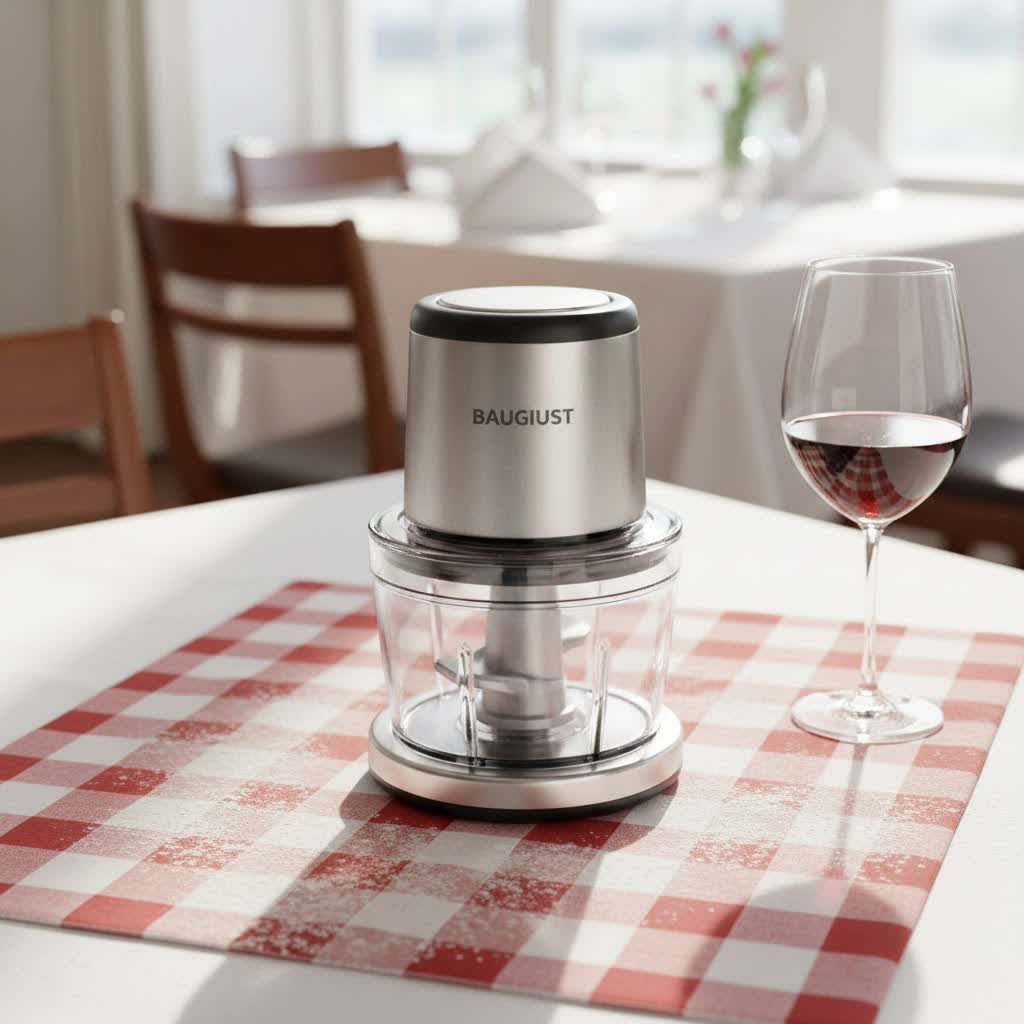
The Vintage Vegetable Chopper: Timeless Efficiency for Modern Kitchens
Long before electric food processors became ubiquitous, kitchens relied on ingenious manual devices to streamline vegetable preparation. The vintage vegetable chopper embodies this era, offering a no-fuss approach to chopping, dicing, and mincing. These tools, often crafted from robust materials like glass, wood, and stainless steel, promise longevity and a certain nostalgic charm that modern appliances often lack. Opting for a vintage chopper is more than just a style choice; it’s a commitment to durability, self-sufficiency, and often, a superior build quality that has gracefully aged.
The benefits of integrating a vintage chopper into your kitchen are numerous. They require no electricity, making them perfect for off-grid living, power outages, or simply reducing your carbon footprint. Their mechanical simplicity means fewer parts to break and easier troubleshooting. Moreover, many vintage choppers are surprisingly efficient, allowing for precise control over the chop size—something that can be harder to achieve with high-speed electric models. This blend of reliability, eco-consciousness, and hands-on control makes them an appealing choice for the modern home cook seeking efficiency with a soul.
Decoding the Different Types of Vintage Vegetable Choppers
The landscape of vintage vegetable choppers is rich with various designs, each offering a distinct chopping experience. Understanding these types can help you appreciate their engineering and decide which best suits your culinary habits.
Plunger-Style Choppers
These are perhaps the most iconic of vintage choppers, often featuring a glass jar base and a plunger mechanism with a set of blades. To use, you place vegetables in the jar, attach the lid with the plunger, and press down repeatedly. The blades rotate slightly with each plunge, ensuring an even chop.
- Pros: Easy to use for small to medium quantities, simple to assemble and disassemble, often features a clear glass base allowing you to monitor chop size. Many have dishwasher-safe glass components.
- Cons: Can be labor-intensive for large batches, may struggle with very hard vegetables, and the blades might not be as easily sharpened or replaced as modern ones.
- Ideal for: Onions, garlic, nuts, herbs, hard-boiled eggs, and small salads. Brands like HIC and the classic Veg-O-Matic fall into this category.
|
Our Picks for the Best Vegetable Chopper in 2026
As an Amazon Associate I earn from qualifying purchases.
|
||
| Num | Product | Action |
|---|---|---|
| 1 | OXO Good Grips Vegetable Chopper |

|
| 2 | ONCE FOR ALL Safe Mandoline Slicer 5 in 1 Vegetable Chopper Food Potato Cutter, Strips Julienne Dicer Adjustable Thickness 0.1-8 mm Kitchen Chopping Artifact Fast Meal Prep (Gray) |
|
| 3 | Simple Deluxe Food Processor, 450W Electric Food Chopper with 2 Bowls (8 Cup+8 Cup) & 2 Bi-Level Blades, Small Electric Meat Grinder Processor for Nuts, Fruits, Meat, Vegetable, Baby Food, Silver |
|
| 4 | Fullstar Mandoline Slicer for Kitchen - Vegetable Chopper, Onion Potato Food Veggie Fruit Slicer and Cutter with Container, Kitchen Gadgets & Gifts, Home Essentials (6-in-1, White/Black) |
|
| 5 | Semi-Automatic 12-Inch Commercial Electric Food Slicer - 370W Motor with Precision-Adjust Blade for Home & Kitchen Use Chromium Steel Construction |
|
| 6 | Mueller The Real Original Pro Chopper since 2013 Vegetable Chopper Mandoline Slicer, 8 Blade Food Veggie Chopper Onion Vegetable Cutter with Container, Kitchen Gadgets & Essentials, (10 in 1) |
|
| 7 | Fullstar The Original Pro Chopper - Vegetable Chopper and Spiralizer, Food Chopper with Container, Fruit Slicer, Kitchen Gadgets & Gifts, Home Essentials (4 in 1, White) |
|
| 8 | Mueller Vegetable Chopper Mandoline Slicer, Food Veggie Chopper, Cheese Grater, Onion Vegetable Cutter with Container, Dicer, Kitchen Gadgets & Essentials, White Sand/Grey |
|
| 9 | Mueller Pro-Series All-in-One, 12 Blade Mandoline Slicer for Kitchen, Food Chopper, Vegetable Slicer and Spiralizer, Cutter, Dicer, Grater, Kitchen Gadgets Sets with Container, White Sand/Gray |
|
| 10 | Vegetable Chopper,12-in-1 Multifunctional Food Chopper,Professional Onion Chopper with 7 Blades,Vegetable Cutter with Container for Salad,Potato,Carrot,and Garlic; Essential Kitchen Tool(Grey) |
|
Hand-Crank Choppers
These more robust choppers, often resembling miniature meat grinders, typically feature a cast-iron or heavy metal body with a hopper for ingredients and a hand crank that drives rotating blades or plates. They were designed for greater volume and often offered various attachments for different cuts.
- Pros: Highly efficient for larger quantities, exceptionally durable construction, can handle tougher vegetables and even meats. Many historical models like the Starrett and Enterprise choppers exemplify this robust design.
- Cons: Can be heavy and cumbersome to set up and clean, requires more storage space, and finding specific attachments for older models can be challenging.
- Ideal for: Large batches of vegetables for stews, making relishes, or even grinding meat (if originally designed for it).
Rocker/Mezzaluna Choppers
While not always categorized strictly as a “chopper,” the mezzaluna, or rocker knife, is a vintage-inspired tool for finely mincing herbs and smaller vegetables. It consists of one or two curved blades with handles on each end, which you rock back and forth over ingredients on a cutting board.
- Pros: Exceptional precision for herbs and delicate ingredients, very simple to clean, no mechanical parts to worry about.
- Cons: Limited in scope to finely mincing and chopping small items, not suitable for large or hard vegetables.
- Ideal for: Fresh herbs, garlic, ginger, and creating fine minces for sauces and dressings.
The Enduring Appeal: Why Choose a Vintage Vegetable Chopper Today?
In an age of planned obsolescence, vintage vegetable choppers stand out as bastions of durability and thoughtful design. Their appeal goes beyond mere aesthetics, tapping into fundamental advantages that modern kitchen tools often overlook.
Durability and craftsmanship are paramount. Older kitchen tools were frequently constructed with a “buy it for life” mentality, utilizing materials like heavy-gauge stainless steel for blades, sturdy wood for handles, and thick glass for containers. These materials resist wear and tear better than many contemporary plastics and thinner metals, meaning a well-maintained vintage chopper can easily outlast several modern replacements. This focus on enduring quality rather than transient trends results in tools that feel substantial and reliable in hand.
Beyond their robust construction, vintage choppers carry a distinct nostalgic and aesthetic value. They evoke simpler times, adding a touch of classic charm to any kitchen. Whether it’s the art deco lines of a 1940s design or the rustic appeal of an early 20th-century piece, these choppers are conversation starters and often beautiful objects in their own right. They can transform an everyday task into a more mindful and enjoyable experience, offering a tangible connection to culinary history.
Furthermore, choosing vintage is an inherently sustainable and eco-friendly decision. By reusing existing tools, you reduce demand for new manufacturing, conserve resources, and minimize waste. These non-electric devices eliminate energy consumption during operation, offering a greener way to prepare your meals. Their simplicity also translates to reliability; with fewer complex electronic components, there’s less to malfunction, ensuring a dependable tool that’s always ready when you are.
“A truly great kitchen tool isn’t about speed or features; it’s about reliability, ease of use, and a design that feels right in your hands, year after year.” – Chef Alice Dubois, Vintage Kitchenware Enthusiast
What to Look For When Acquiring a Vintage Vegetable Chopper
Finding the perfect vintage vegetable chopper can be a rewarding hunt. Knowing what to prioritize will ensure you bring home a functional gem rather than a decorative relic.
Condition and Functionality
The primary concern should always be the chopper’s working condition. Carefully inspect the blades for rust, chips, or excessive dullness. While minor rust can often be removed, heavily pitted blades might compromise performance and hygiene. For plunger-style choppers, ensure the spring mechanism (if present) operates smoothly and the plunger moves freely without sticking. For hand-crank models, check that the crank turns easily and all gears engage correctly. Look for any cracks in glass components, as these can be a safety hazard and are often difficult to repair.
Materials and Craftsmanship
The quality of materials directly impacts durability and performance. Seek out choppers with stainless steel blades, which offer superior rust resistance and edge retention compared to carbon steel (though carbon steel can be sharpened to a finer edge, it requires more meticulous care). Wooden handles should be smooth, crack-free, and securely attached, indicating quality and comfort. Glass bases should be thick and free of major chips. High-quality cast-iron components on hand-crank models should show minimal signs of corrosion or structural damage.
Completeness and Originality
While not always critical for functionality, a complete vintage chopper with all its original parts often indicates better care and can be more desirable for collectors. For hand-crank models, check for all original cutting plates or dies if versatility is important to you. An original box or instruction manual, though rare, adds to its historical value and can provide valuable insights into its intended use and care. However, prioritize functionality over perfect originality if your main goal is a usable kitchen tool.
Brand Recognition and Rarity
Certain vintage brands are known for their quality and innovative designs. While “vintage vegetable choppers” aren’t typically as high-value collectibles as Pyrex or cast iron, some older brands might signify a better-engineered product. Brands like HIC, Foley, Universal, and even the iconic Veg-O-Matic have a history of producing reliable manual choppers. Rarity can sometimes translate to higher cost, but for practical use, a well-made common model is often preferable to a rare, but poorly conditioned, one.
Notable Vintage Vegetable Chopper Designs for Your Kitchen
While the market for vintage choppers is ever-changing, certain design philosophies and common types stand out for their practicality and enduring appeal. These aren’t “top-selling new models” but rather representative examples of the quality and ingenuity found in vintage kitchenware.
The Classic Plunger-Style Chopper
This design, popularized by brands like HIC and various models similar to the famous Veg-O-Matic, is a staple. It typically features a straight or zigzag stainless steel blade assembly within a clear glass jar, operated by a spring-loaded plunger. Its beauty lies in its simplicity and direct action, allowing for quick processing of small batches directly into the serving container. These are excellent for those who want a simple, non-electric tool for everyday chopping tasks.
- Pros: Direct observation of chop size, easy to clean glass jar, compact for storage.
- Cons: Best for smaller tasks, requires manual effort.
- Price Guide: Generally affordable, ranging from $10-$40 depending on condition and brand.
Heavy-Duty Hand-Crank Choppers
Represented by sturdy cast-iron models from manufacturers like Starrett or Enterprise (though primarily meat choppers, many had vegetable attachments), these machines were built for endurance. Mounted to a countertop, they feature a robust hand-crank mechanism feeding ingredients through rotating blades or cutting plates. These are workhorses, ideal for larger quantities and tougher root vegetables.
- Pros: Extremely durable, high capacity, can handle dense ingredients.
- Cons: Heavy, takes up counter space, more complex cleaning.
- Price Guide: Can range from $30-$100+, especially for well-preserved models with multiple attachments.
Ergonomic Rocker Choppers
While simpler, the vintage rocker chopper, often a single or double mezzaluna blade with wooden handles, offers specialized utility. Its ergonomic design allows for a rhythmic rocking motion that quickly minces herbs, garlic, and small vegetables. It’s a classic for a reason, providing control and a surprisingly efficient way to achieve fine cuts.
- Pros: Excellent for herbs and very fine mincing, easy to clean, compact.
- Cons: Limited to specific types of cuts and smaller ingredients.
- Price Guide: Typically $15-$35 for a good quality vintage piece.
Mastering Your Vintage Chopper: Usage and Care Tips
Owning a vintage vegetable chopper means appreciating its design and understanding how to maintain it for years to come. Proper usage and diligent care will ensure your timeless tool remains a reliable kitchen companion.
When using a plunger-style chopper, always ensure the blades are sharp enough for the task to prevent undue strain on the mechanism and to achieve clean cuts. Place smaller pieces of vegetables in the jar to avoid jamming the blades. For hand-crank choppers, cut larger vegetables into pieces that fit comfortably into the hopper to prevent blockages and excessive force on the crank. Always use a stable surface or clamp for hand-crank models. Remember, gentle but firm pressure is usually more effective than brute force.
Cleaning and preservation are crucial for extending the life of your vintage chopper. For choppers with glass bases, the glass is often dishwasher safe, but always hand wash metal blades immediately after use to prevent corrosion. Pay special attention to crevices where food particles can accumulate. For cast iron components, ensure they are thoroughly dried after washing and lightly oiled (with a food-safe mineral oil) to prevent rust. Wooden handles should also be hand washed and allowed to air dry, occasionally reconditioning them with wood oil to prevent cracking. Never soak wooden parts. Regularly inspect all parts for wear and tear, and address any issues promptly.
Conclusion
The vintage vegetable chopper is more than just an old kitchen tool; it’s a statement about embracing quality, sustainability, and the joy of hands-on cooking. From the satisfying thud of a plunger-style chopper to the steady rhythm of a hand-cranked model, these timeless devices offer unparalleled durability and a unique connection to culinary history. By choosing a vintage chopper, you not only equip your kitchen with a reliable workhorse but also infuse it with character and a story from the past. So, next time you’re considering a kitchen upgrade, why not look back in time for a tool that truly lasts?
What vintage kitchen tool has brought the most joy or efficiency to your cooking?
Frequently Asked Questions
Are vintage vegetable choppers still effective today?
Yes, absolutely. Many vintage vegetable choppers, especially those made with durable materials like stainless steel blades and sturdy glass or cast iron bodies, remain highly effective. Their manual operation provides precise control over chop size, and they eliminate the need for electricity, making them reliable and energy-efficient kitchen tools.
What are the benefits of using a manual vintage vegetable chopper over an electric one?
Manual vintage choppers offer several benefits, including exceptional durability, no electricity requirement, easier cleaning due to fewer complex parts, and a more satisfying, tactile cooking experience. They also often boast superior craftsmanship and a unique aesthetic appeal that adds character to your kitchen.
How do I clean and maintain an old vegetable chopper?
Most vintage choppers benefit from immediate hand washing, especially the blades, to prevent food from drying and causing corrosion. Glass components are often dishwasher safe, but always hand wash wooden handles and cast-iron parts. For cast iron, dry thoroughly and apply a thin layer of food-grade oil to prevent rust. Regular inspection for wear and tear helps prolong their life.
Where can I buy vintage vegetable choppers?
Vintage vegetable choppers can be found in various places. Popular sources include antique shops, flea markets, estate sales, and online marketplaces like eBay and Etsy. When purchasing online, always check seller reviews, examine photos closely for condition, and confirm shipping details to ensure a smooth acquisition.
Are vintage vegetable choppers valuable as collectibles?
While not all vintage vegetable choppers fetch high prices like rare Pyrex or cast iron, well-preserved models from reputable historical brands or those with unique designs can be collectible. Their value often lies more in their enduring functionality and charming aesthetic than in high monetary worth, though some specific models might be sought after by enthusiasts.
