In the fast-paced world of professional kitchens, where precision, speed, and consistency are paramount, the humble act of chopping vegetables can quickly become a bottleneck. From bustling restaurants to high-volume catering services, efficient food preparation is the backbone of smooth operations and culinary excellence. This is where the Best Commercial Vegetable Chopper steps in, transforming a laborious task into a swift and seamless process. If you’re looking to streamline your kitchen workflow, reduce labor costs, and achieve impeccable results every time, understanding the nuances of these powerful machines is essential.
The Indispensable Role of a Commercial Vegetable Chopper in Modern Kitchens
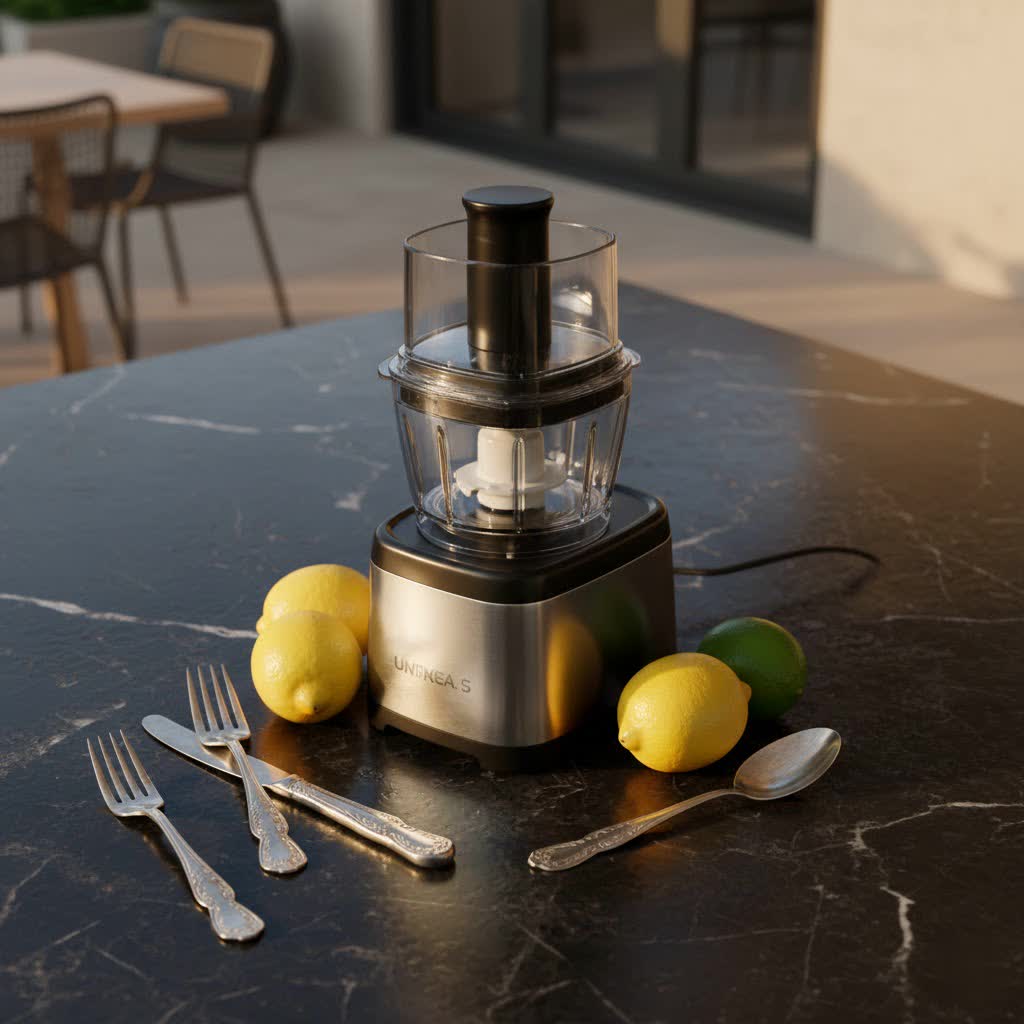
A commercial vegetable chopper is far more than just a kitchen gadget; it’s a strategic investment designed to meet the rigorous demands of professional environments. Unlike their domestic counterparts, these robust machines are engineered for continuous use, handling significant quantities of produce with unparalleled efficiency and consistency.
The benefits of integrating a commercial vegetable chopper into your kitchen are profound. Firstly, they offer radical efficiency and labor optimization, drastically cutting down the time spent on prep work. A task that might take a skilled chef an hour to complete by hand can be finished in mere minutes with the right machine. Secondly, these choppers guarantee product consistency, ensuring every dice, slice, or julienne is uniform. This not only enhances the visual appeal of your dishes but also promotes even cooking. Thirdly, they lead to a significant reduction in food waste, as inconsistent knife skills often result in unusable scraps. Lastly, by automating repetitive cutting motions, commercial choppers contribute to a safer kitchen environment, minimizing the risk of knife-related injuries for your staff.
Decoding Commercial Vegetable Chopper Types
Commercial vegetable choppers come in various designs, each suited for different kitchen needs and operational scales. Understanding these categories is crucial for selecting the ideal equipment.
Manual Commercial Vegetable Choppers
Manual choppers rely on human power, often utilizing a lever, push-down mechanism, or a pull-string to operate blades.
- Advantages: They are typically more affordable, highly portable as they require no electricity, and simpler to operate and clean. Many models are durable, featuring robust construction that can withstand consistent manual force.
- Disadvantages: Manual choppers are best suited for low-to-medium volume operations, as they demand more physical effort and are less efficient for very large batches.
- Best For: Smaller cafes, delis, food trucks, or kitchens with intermittent chopping needs. Examples include heavy-duty push-down dicers for onions and tomatoes.
|
Our Picks for the Best Vegetable Chopper in 2026
As an Amazon Associate I earn from qualifying purchases.
|
||
| Num | Product | Action |
|---|---|---|
| 1 | OXO Good Grips Vegetable Chopper |

|
| 2 | Mueller Vegetable Chopper Mandoline Slicer, Food Veggie Chopper, Cheese Grater, Onion Vegetable Cutter with Container, Dicer, Kitchen Gadgets & Essentials, White Sand/Grey |
|
| 3 | Semi-Automatic 12-Inch Commercial Electric Food Slicer - 370W Motor with Precision-Adjust Blade for Home & Kitchen Use Chromium Steel Construction |
|
| 4 | Vegetable Chopper,12-in-1 Multifunctional Food Chopper,Professional Onion Chopper with 7 Blades,Vegetable Cutter with Container for Salad,Potato,Carrot,and Garlic; Essential Kitchen Tool(Grey) |
|
| 5 | Mueller The Real Original Pro Chopper since 2013 Vegetable Chopper Mandoline Slicer, 8 Blade Food Veggie Chopper Onion Vegetable Cutter with Container, Kitchen Gadgets & Essentials, (10 in 1) |
|
| 6 | Simple Deluxe Food Processor, 450W Electric Food Chopper with 2 Bowls (8 Cup+8 Cup) & 2 Bi-Level Blades, Small Electric Meat Grinder Processor for Nuts, Fruits, Meat, Vegetable, Baby Food, Silver |
|
| 7 | Fullstar Mandoline Slicer for Kitchen - Vegetable Chopper, Onion Potato Food Veggie Fruit Slicer and Cutter with Container, Kitchen Gadgets & Gifts, Home Essentials (6-in-1, White/Black) |
|
| 8 | ONCE FOR ALL Safe Mandoline Slicer 5 in 1 Vegetable Chopper Food Potato Cutter, Strips Julienne Dicer Adjustable Thickness 0.1-8 mm Kitchen Chopping Artifact Fast Meal Prep (Gray) |
|
| 9 | Fullstar The Original Pro Chopper - Vegetable Chopper and Spiralizer, Food Chopper with Container, Fruit Slicer, Kitchen Gadgets & Gifts, Home Essentials (4 in 1, White) |
|
| 10 | Mueller Pro-Series All-in-One, 12 Blade Mandoline Slicer for Kitchen, Food Chopper, Vegetable Slicer and Spiralizer, Cutter, Dicer, Grater, Kitchen Gadgets Sets with Container, White Sand/Gray |
|
Electric Commercial Vegetable Choppers
Electric models are the workhorses of high-volume kitchens, providing continuous power for effortless and rapid chopping.
- Advantages: They offer superior time savings and efficiency for large quantities of vegetables, often come with multiple functions, and significantly reduce physical exertion. They are ideal for maintaining high productivity in busy periods.
- Disadvantages: Electric choppers require a designated power outlet, represent a higher initial investment, and can sometimes be more complex to clean due to motorized components.
- Best For: Large restaurants, catering companies, institutional kitchens, or food processing facilities where speed and high output are critical. This category includes countertop units, vertical shaft choppers (V-type) for high throughput, and horizontal feed choppers.
Multi-functional Commercial Food Processors
Some commercial-grade food processors blur the line between choppers and general prep machines, offering a wide array of functions beyond basic chopping.
- Advantages: These versatile machines can slice, dice, shred, julienne, grind, and even purée, often with interchangeable blades and attachments. They consolidate multiple prep tasks into one unit, saving space and cost.
- Disadvantages: Multi-functional units can be more expensive and might have a steeper learning curve for operators due to their diverse settings and components.
- Best For: Professional kitchens that require a broad range of cutting styles and food processing capabilities from a single piece of equipment.
Comparing Commercial Vegetable Chopper Categories
To further clarify your choice, here’s a comparison of the main types of commercial vegetable choppers:
| Feature | Manual Commercial Chopper | Electric Commercial Chopper | Multi-functional Food Processor (Commercial) |
|---|---|---|---|
| Price | Low to Mid-range | Mid to High-range | High-range |
| Functionality | Basic dicing, slicing, wedging | High-speed chopping, dicing, slicing | Extensive: chop, slice, dice, shred, purée, grind |
| Advantages | Portable, no electricity, easy to clean | Fast, high volume, low effort | Versatile, consolidates equipment, diverse cuts |
| Disadvantages | Labor-intensive for large tasks, lower capacity | Higher cost, power required, can be louder | Highest cost, potentially more complex to clean, larger footprint |
| Ideal User | Small eateries, food stalls, specific task | Busy restaurants, catering, institutional kitchens | Creative kitchens, large-scale prep, diverse menu |
Key Factors to Consider When Choosing Your Commercial Vegetable Chopper
Selecting the right commercial vegetable chopper involves a careful evaluation of your specific operational needs against the machine’s capabilities. A technician with over a decade of experience in this field understands that the right choice enhances efficiency and contributes to the bottom line.
Assess Your Volume and Capacity Needs
The first step is to accurately determine the quantity of vegetables you process daily. “If you’re running a large kitchen or catering business that processes hundreds of kilograms of vegetables daily, you’ll need a chopper with a larger hopper size and a higher output rate,” explains the Admin of ReviewAmaz.com, a seasoned expert in vegetable choppers. For smaller operations, a compact manual or electric countertop unit might suffice, while high-volume users should look for vertical or horizontal feed systems that maximize efficiency and reduce refill frequency.
Power and Performance
For electric models, motor power is a critical indicator of performance and durability. Look for units with at least 800 watts for reliable operation, with 1,000W+ being preferable for heavy-duty, continuous use. The blades are equally important; they should be made from durable stainless steel (preferably 304-grade) to ensure corrosion resistance and long-term sharpness. Evaluate the available cutting options, such as interchangeable blades for dicing, julienning, slicing, and shredding, to match your menu requirements.
Material Quality and Durability
Commercial kitchens demand equipment that can withstand constant use and rigorous cleaning cycles. Prioritize choppers constructed from robust materials like heavy-duty stainless steel for the body and high-impact, BPA-free plastics for other components. NSF certification is a non-negotiable standard, ensuring the equipment meets stringent public health and safety criteria for food handling environments. This certification confirms that the materials are food-safe and the design allows for sanitary operation.
Ease of Cleaning and Sanitation
In any commercial kitchen, hygiene is paramount. A chopper that is difficult to clean can become a food safety liability. Opt for models designed for simple, tool-free disassembly where components like pusher blocks and blade assemblies are easily removable. Dishwasher-safe parts are a significant advantage, streamlining the cleaning process and ensuring thorough sanitation.
Safety Features
Safety should always be a top priority. Look for commercial vegetable choppers equipped with essential safety features such as safety guards, non-slip feet or bases to prevent movement during operation, and sturdy overall construction that ensures stability. These features protect operators from potential injuries during high-speed cutting tasks.
Budget and Brand Reputation
Commercial vegetable choppers can range significantly in price, typically from $250 to over $3,000, depending on their type, capacity, and brand. While entry-level electric choppers might start around $250-$500, mid-range models (around $600-$1,200) often provide better durability and more features. High-end industrial units are typically for large chains or food processors. Research reputable brands known for their reliability and customer support. Leading brands often include Robot Coupe, Hobart, Vitamix Commercial, Thunderbird, VEVOR, Nemco, and Vollrath, each offering different strengths and price points. Consider the total cost of ownership, including potential energy use and the availability of replacement blades.
Top Commercial Vegetable Choppers Recommended for 2024
Based on performance, durability, and user feedback, several models consistently stand out in the commercial market:
-
VEVOR Commercial Chopper w/ 4 Replacement Blades: This model is praised for its robust steel construction and durable stainless steel components. It offers versatility with four easily replaceable blades (1/2-inch, 1/4-inch, 3/8-inch chopping blades, and a 6-wedge slicing cutter), making it suitable for a variety of tasks from French fries to salads. Its non-slip legs enhance stability during operation, and its design ensures easy cleaning.
- Pros: Highly versatile, robust build, stable operation, easy to clean.
- Cons: Can be bulky depending on kitchen size.
- Estimated Price: Varies, often considered a strong value option.
-
Alligator Professional Grade Steel Chopper: Known for its high-quality stainless steel design and durable, BPA-free plastic parts. It includes three different-sized chopping blades (1/8, 1/4, and 1/2-inch squares) for precise, consistent cuts without making vegetables soggy. Its substantial build minimizes the force required during operation.
- Pros: Exceptional precision, durable stainless steel, requires less effort.
- Cons: Higher price point.
- Estimated Price: Premium range.
-
Nemco Easy Chopper series: A reliable choice in many professional kitchens, Nemco choppers are well-regarded for their consistent slicing, dicing, and chopping capabilities. They are built for high output and durability.
- Pros: Proven reliability, consistent results, built for heavy use.
- Cons: May have fewer multi-function options than some electric processors.
- Estimated Price: Mid to high-range.
-
Robot Coupe R series: These models are highly esteemed for their precision, durability, and versatility, particularly excelling in fine dicing tasks. Robot Coupe is a premium brand favored in high-end culinary operations.
- Pros: Unmatched precision, robust construction, wide range of cutting options.
- Cons: Significant investment.
- Estimated Price: High-end industrial.
-
Hobart Units: Known for their rugged build and extensive service network, Hobart choppers are a dominant force in large institutional settings where extreme durability and consistent performance are required.
- Pros: Extremely durable, excellent for large institutions, reliable service.
- Cons: Very high investment, generally larger footprint.
- Estimated Price: High-end industrial.
Maintenance Tips for Longevity and Optimal Performance
To ensure your commercial vegetable chopper delivers consistent results and a long service life, proper usage and maintenance are critical.
Firstly, always follow the manufacturer’s instructions for assembly, operation, and disassembly. Overloading the machine or using it for unsuitable items can lead to damage. Secondly, regular and thorough cleaning is paramount. Disassemble all removable parts after each use and wash them with appropriate sanitizers. For stainless steel components, promptly drying them can prevent water spots and extend their lifespan. Thirdly, regularly inspect blades for sharpness and signs of wear. Dull blades can lead to inconsistent cuts and put undue strain on the motor. Replace worn blades promptly to maintain optimal performance and safety. Finally, ensure proper storage in a clean, dry area when not in use, protecting the machine from dust and potential damage.
Conclusion
Investing in the best commercial vegetable chopper is a powerful decision that can significantly elevate the efficiency, consistency, and safety of your professional kitchen. From saving invaluable preparation time to ensuring uniform cuts that enhance every dish, these machines are truly transformative. By carefully considering your operational volume, desired features, and budget, you can select a chopper that not only meets but exceeds your culinary demands. With the right equipment, you’re not just chopping vegetables; you’re cultivating a more productive and profitable kitchen environment. What will be the first innovative dish you create with your streamlined prep process?
Frequently Asked Questions
What is the primary difference between a home and commercial vegetable chopper?
Commercial vegetable choppers are built for heavy-duty, continuous use in professional environments, featuring stronger motors, more durable materials like 304-grade stainless steel, larger capacities, and often NSF certification for food safety, unlike home models designed for lighter, intermittent use.
How important is NSF certification for a commercial vegetable chopper?
NSF certification is highly important for commercial vegetable choppers as it signifies that the equipment meets strict public health and safety standards. This includes criteria for material safety, design for easy cleaning, and performance, ensuring the chopper is suitable for use in food service environments and compliant with health regulations.
Can commercial vegetable choppers handle all types of vegetables?
Most commercial vegetable choppers are highly versatile, capable of handling a wide range of vegetables from soft tomatoes to hard potatoes and onions. However, specific blade types and motor power may be optimized for certain textures or cuts, so it’s essential to check the model’s specifications and available attachments for your particular needs.
