In a bustling kitchen, time is a precious commodity. The constant chopping, dicing, and slicing of vegetables can quickly turn meal preparation into a tedious chore. Imagine a tool that could transform this monotonous task into a swift, effortless experience, giving you back valuable minutes and making healthy eating more accessible. This is where the Best Vegetable Slicer And Chopper comes in, an indispensable kitchen gadget designed to streamline your culinary journey and elevate your cooking.
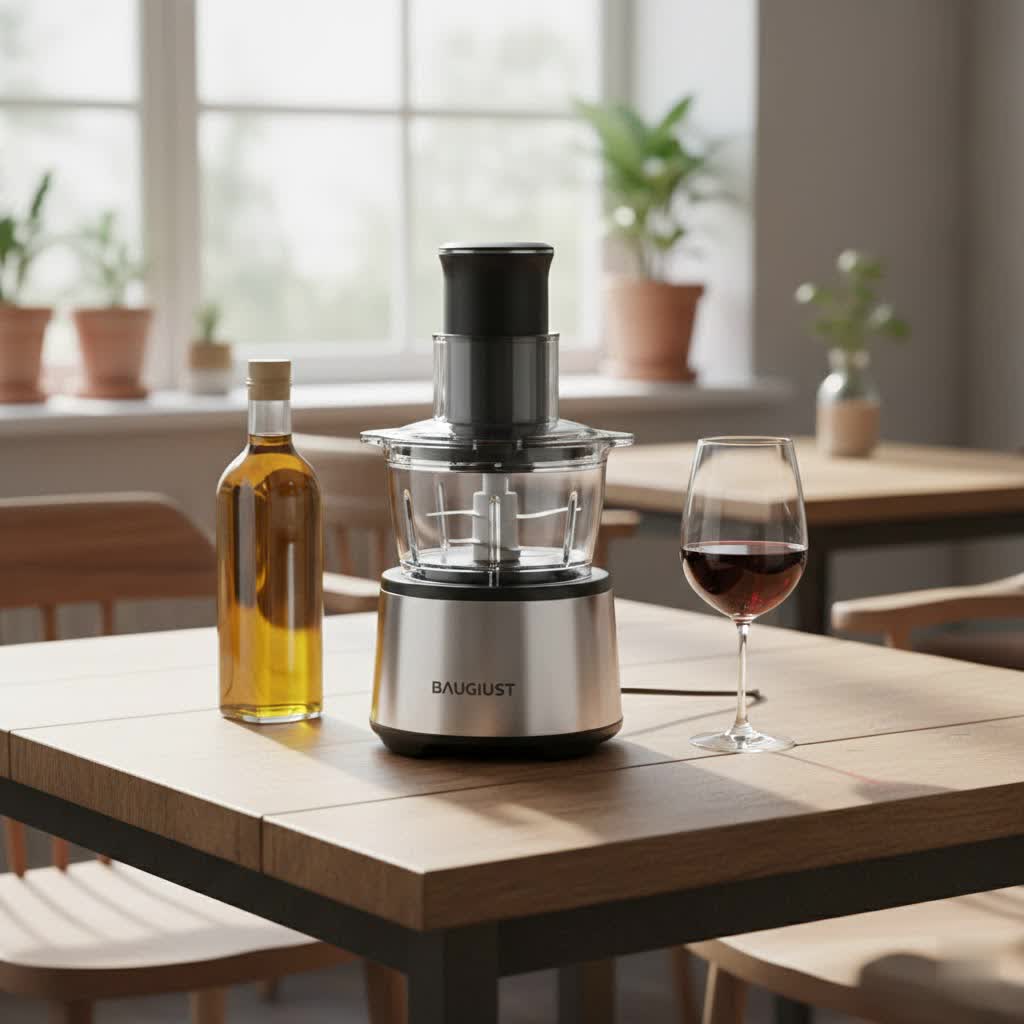
Vegetable Chopper: A Time-Saving Solution for the Modern Kitchen
A vegetable chopper, often paired with slicing capabilities, is a revolutionary kitchen appliance that significantly reduces food preparation time. Instead of laboriously cutting vegetables by hand, these tools allow you to achieve uniform slices, dices, and chops with minimal effort. The importance of these devices in modern kitchens cannot be overstated; they are game-changers for anyone looking to eat healthier, prepare meals faster, or simply enjoy the cooking process more.
The benefits of incorporating a vegetable chopper into your kitchen routine are numerous. Compared to traditional knife-and-board methods, choppers offer unparalleled speed and consistency. They minimize the risk of accidental cuts, ensure evenly sized pieces for uniform cooking, and drastically cut down on the time spent on prep work, letting you focus on the creative aspects of cooking. For busy individuals, families, or anyone with dexterity issues, a quality vegetable chopper and slicer is not just a convenience, but a necessity.
Popular Types of Vegetable Slicers and Choppers on the Market
The market offers a diverse range of vegetable choppers and slicers, each designed to cater to different needs and preferences. Understanding their classifications can help you pinpoint the ideal tool for your kitchen.
Manual Vegetable Chopper
Manual vegetable choppers are celebrated for their simplicity and affordability. They operate without electricity, relying on user input to process vegetables.
- Advantages: These choppers are generally budget-friendly, easy to use, and require no electricity, making them perfect for small kitchens, camping, or situations without power access. They often boast compact designs, simplifying storage.
- Disadvantages: Manual models typically demand more physical effort, especially for tougher vegetables or larger quantities, and may offer less consistent results compared to electric counterparts. Their capacity is often limited, which can slow down prep for big meals.
- Best Suited For: Individuals or small families with infrequent chopping needs, those on a budget, or anyone prioritizing portability and simplicity.
|
Our Picks for the Best Vegetable Chopper in 2026
As an Amazon Associate I earn from qualifying purchases.
|
||
| Num | Product | Action |
|---|---|---|
| 1 | Fullstar The Original Pro Chopper - Vegetable Chopper and Spiralizer, Food Chopper with Container, Fruit Slicer, Kitchen Gadgets & Gifts, Home Essentials (4 in 1, White) |

|
| 2 | Mueller Vegetable Chopper Mandoline Slicer, Food Veggie Chopper, Cheese Grater, Onion Vegetable Cutter with Container, Dicer, Kitchen Gadgets & Essentials, White Sand/Grey |
|
| 3 | Vegetable Chopper,12-in-1 Multifunctional Food Chopper,Professional Onion Chopper with 7 Blades,Vegetable Cutter with Container for Salad,Potato,Carrot,and Garlic; Essential Kitchen Tool(Grey) |
|
| 4 | Fullstar Mandoline Slicer for Kitchen - Vegetable Chopper, Onion Potato Food Veggie Fruit Slicer and Cutter with Container, Kitchen Gadgets & Gifts, Home Essentials (6-in-1, White/Black) |
|
| 5 | Semi-Automatic 12-Inch Commercial Electric Food Slicer - 370W Motor with Precision-Adjust Blade for Home & Kitchen Use Chromium Steel Construction |
|
| 6 | Simple Deluxe Food Processor, 450W Electric Food Chopper with 2 Bowls (8 Cup+8 Cup) & 2 Bi-Level Blades, Small Electric Meat Grinder Processor for Nuts, Fruits, Meat, Vegetable, Baby Food, Silver |
|
| 7 | OXO Good Grips Vegetable Chopper |
|
| 8 | ONCE FOR ALL Safe Mandoline Slicer 5 in 1 Vegetable Chopper Food Potato Cutter, Strips Julienne Dicer Adjustable Thickness 0.1-8 mm Kitchen Chopping Artifact Fast Meal Prep (Gray) |
|
| 9 | Mueller The Real Original Pro Chopper since 2013 Vegetable Chopper Mandoline Slicer, 8 Blade Food Veggie Chopper Onion Vegetable Cutter with Container, Kitchen Gadgets & Essentials, (10 in 1) |
|
| 10 | Mueller Pro-Series All-in-One, 12 Blade Mandoline Slicer for Kitchen, Food Chopper, Vegetable Slicer and Spiralizer, Cutter, Dicer, Grater, Kitchen Gadgets Sets with Container, White Sand/Gray |
|
Electric Vegetable Chopper
Electric vegetable choppers are powered by a motor, automating the chopping and slicing process. They are designed for speed and efficiency.
- Advantages: The primary benefits include significant time-saving, high efficiency, and consistent results with minimal effort. Many electric models come with multiple speed settings and blade options, increasing their versatility for various textures and cuts. They are ideal for large batches and tougher ingredients.
- Disadvantages: They tend to be more expensive than manual choppers, require an electrical outlet, and can be louder during operation. Cleaning can sometimes be more involved due to motor units.
- Best Suited For: Busy households, individuals who cook frequently, large families, or those seeking maximum convenience and consistent output.
Multifunctional Vegetable Chopper
Multifunctional choppers often combine aspects of both manual and electric designs, or offer a wide array of interchangeable blades and attachments for various tasks beyond basic chopping, such as slicing, grating, julienning, and spiralizing.
- Advantages: These devices provide unparalleled versatility, allowing you to perform numerous food preparation tasks with a single appliance, thus saving counter space. They often include a variety of blades for different cuts, catering to diverse culinary creations.
- Disadvantages: Multifunctional units can be more expensive and potentially more complex to assemble and clean due to the many components. Storing all the attachments can also be a challenge.
- Best Suited For: Enthusiastic home cooks, professional chefs, or anyone who enjoys experimenting with different cuts and preparations and values a comprehensive tool.
Comparison Table: Manual vs. Electric vs. Multifunctional Vegetable Choppers
| Feature | Manual Vegetable Chopper | Electric Vegetable Chopper | Multifunctional Vegetable Chopper |
|---|---|---|---|
| Price | Low | High | Highest |
| Functionality | Basic chopping, slicing (limited) | Chopping, dicing, pureeing | Chopping, slicing, dicing, grating, spiralizing, julienning |
| Advantages | Affordable, portable, no electricity | Fast, effortless, consistent results | Highly versatile, space-saving (one tool) |
| Disadvantages | More effort, less consistent, limited capacity | Requires electricity, louder, higher cost | Higher cost, potentially more complex to use/clean, more parts to store |
| Ideal User | Small households, occasional use, budget-conscious | Frequent cooks, large batches, convenience-focused | Culinary enthusiasts, varied meal prep, professional kitchens |
How to Choose the Right Vegetable Slicer and Chopper
Selecting the perfect vegetable slicer and chopper involves assessing your unique needs and preferences. Consider these factors to make an informed decision:
Determine Your Usage Needs
Before anything else, consider how often you plan to use the chopper and for what purpose. Do you need to process large quantities for meal prepping, or just small amounts for daily meals? What types of cuts do you typically need – fine minces, thick slices, or uniform dices? Answering these questions will guide you toward the right category of chopper. Your budget is also a key consideration; manual choppers are generally more economical, while electric and multifunctional models come with a higher price tag.
Choose the Appropriate Type
Based on your determined needs, select between a manual, electric, or multifunctional chopper.
- For occasional use and small tasks, a manual chopper like a pull-cord or push-style model might suffice.
- If speed, consistency, and minimal effort are priorities for daily cooking and larger volumes, an electric chopper is likely your best bet.
- For ultimate versatility and a wide range of cutting styles, a multifunctional chopper with various interchangeable blades will be ideal.
Material and Durability
The longevity and safety of your chopper depend heavily on its materials.
- Blades: Always opt for high-quality stainless steel blades. They are sharp, resistant to rust and corrosion, and maintain their edge longer. Fixed blades are often recommended for hard vegetables like carrots and potatoes.
- Body: Look for BPA-free plastics in areas that come into contact with food. Durable plastic or robust housing ensures the device withstands regular use and pressure. A non-slip base is also crucial for stability during operation.
Brand Reputation and Reviews
Researching reputable brands and reading user reviews can provide invaluable insights. Established brands often offer better customer support and warranty options. Pay attention to common feedback regarding ease of use, cleaning difficulty, durability issues, and performance on various vegetables. Online reviews and product comparisons can help you avoid common pitfalls and find a product that lives up to its claims.
Top 7 Vegetable Slicers and Choppers Highly Rated Today
Given the vast array of options, here are examples of popular types of vegetable choppers and slicers that consistently receive high praise for their performance and reliability. While specific model names can change, these examples highlight the features to look for.
- Grid-Style Manual Chopper (e.g., Fullstar Vegetable Chopper):
- Pros: Excellent for uniform dicing, comes with multiple blade sizes, often includes spiralizing blades, easy to clean, compact storage.
- Cons: Requires some force for firmer vegetables, larger food items need pre-cutting to fit the grid.
- Price: Mid-range.
- Pull-Cord Manual Food Processor (e.g., Zyliss Easy Pull Food Processor):
- Pros: Simple, effective chopping for various consistencies from coarse to fine, no electricity needed, easy to clean.
- Cons: Best for smaller batches, can bruise delicate herbs if over-processed, manual effort required.
- Price: Mid-range.
- Mini Electric Food Chopper (e.g., Cuisinart Mini-Prep Plus Food Processor):
- Pros: Powerful motor for quick chopping and grinding, compact footprint, ideal for small to medium tasks, often dishwasher-safe bowls.
- Cons: Limited capacity for larger batches, some models may struggle with very hard items, can be noisy.
- Price: Mid-to-high range.
- Mandoline Slicer with Chopper Attachments (e.g., Mueller Pro-Series 10-in-1 Vegetable Chopper):
- Pros: Extreme versatility with numerous interchangeable blades for slicing, dicing, julienning, and grating. Often includes safety features like handguards.
- Cons: Can have many parts to store and clean, may require a learning curve for different attachments.
- Price: Mid-to-high range.
- Electric Food Processor (larger capacity, e.g., Ninja Food Chopper Express Chop):
- Pros: Very powerful and fast for chopping large quantities, can handle tough ingredients, often comes with large-capacity bowls.
- Cons: Can over-process if not monitored carefully, larger footprint, higher price.
- Price: High-range.
- Push-Down Manual Chopper (e.g., OXO Good Grips Chopper):
- Pros: Simple one-press operation for quick chopping, especially for onions and garlic, easy to disassemble for cleaning.
- Cons: Best for smaller, softer items, may require significant force, can be less versatile than multi-blade options.
- Price: Low-to-mid range.
- Vegetable Cutter and Slicer with Collection Container (e.g., Sedhoom 23-in-1 Vegetable Chopper):
- Pros: Often includes a wide array of blades and a clear collection container, reducing mess, slip-resistant legs.
- Cons: Many parts to wash, blades can be very sharp and require careful handling.
- Price: Mid-range.
Tips for Using and Maintaining Your Vegetable Chopper
To ensure safety, efficiency, and longevity, proper use and maintenance are crucial for any vegetable slicer and chopper.
When using your chopper, always ensure vegetables are cut to a manageable size that fits the designated chute or grid, avoiding overfilling to prevent strain on the blades or motor. For manual choppers, a firm, even press or pull is often more effective than jerky movements. With electric models, use the pulse function to gain control over the consistency and prevent over-processing. Always use the provided safety guards or pushers, especially with mandoline-style slicers, to protect your fingers from sharp blades.
Cleaning and maintenance are key to extending your chopper’s lifespan. Most modern choppers feature dishwasher-safe components, but it’s always best to check the manufacturer’s instructions. For manual cleaning, use a brush to remove food particles from blades carefully. Ensure all parts are thoroughly dry before reassembling and storing to prevent rust and mildew. Store blades and attachments safely to maintain their sharpness and prevent accidental cuts.
Conclusion
The right vegetable slicer and chopper can revolutionize your kitchen experience, transforming tedious prep work into an effortless and enjoyable task. From the simple efficiency of a manual pull-cord chopper to the powerful versatility of an electric multifunctional unit, there’s a perfect tool for every cook and every kitchen. By considering your specific needs, focusing on quality materials, and understanding the different types available, you can confidently choose a vegetable chopper that not only saves you time but also inspires greater culinary creativity.
Are you ready to embrace a smarter, faster way to prepare your favorite meals?
Frequently Asked Questions
What’s the main difference between a vegetable chopper and a food processor?
While both can chop vegetables, a dedicated vegetable chopper is typically designed for precise dicing and slicing, often with interchangeable blade grids for uniform cuts. A food processor is generally more powerful and versatile, capable of a wider range of tasks like pureeing, shredding, and kneading dough, in addition to chopping.
Are manual vegetable choppers effective for hard vegetables?
Manual choppers can handle hard vegetables like carrots and potatoes, but they require more physical effort. For very tough items or large quantities, an electric model or a robust manual chopper with strong stainless steel blades is usually more efficient and less strenuous.
How do I ensure even cuts with my vegetable chopper?
To achieve even cuts, ensure your vegetables are cut into pieces that fit properly within the chopper’s blades or grid. Avoid overloading the chopper, which can lead to uneven results or damage. For grid choppers, cutting vegetables into even planks before pressing down helps ensure uniform dices.
How often should I sharpen the blades of my vegetable chopper?
Most vegetable choppers, especially those with stainless steel blades, are designed to retain their sharpness for a long time with proper care. Unlike kitchen knives, the blades on choppers are often not designed for user sharpening. If blades become dull and performance degrades, it’s usually recommended to replace the specific blade or the unit, depending on the model.
Is it safe to use a vegetable chopper with young children helping in the kitchen?
While vegetable choppers can reduce the risk of knife accidents, sharp blades are still involved. Always supervise children closely. For safer participation, consider manual choppers with fully enclosed blades or electric models where the blades are safely contained and operated by a button, ensuring children’s hands are far from cutting elements.
