Preparing meals can often feel like a time-consuming chore, with chopping vegetables taking up a significant portion of the effort. If you find yourself spending endless minutes meticulously dicing onions or slicing carrots, a Hand Vegetable Chopper might just be the kitchen revolution you need. These simple yet ingenious tools promise to dramatically cut down your prep time, transforming mundane tasks into quick and efficient processes. Beyond just saving minutes, a well-chosen hand chopper can also elevate the consistency of your cuts, making your dishes not only easier to prepare but also more visually appealing.
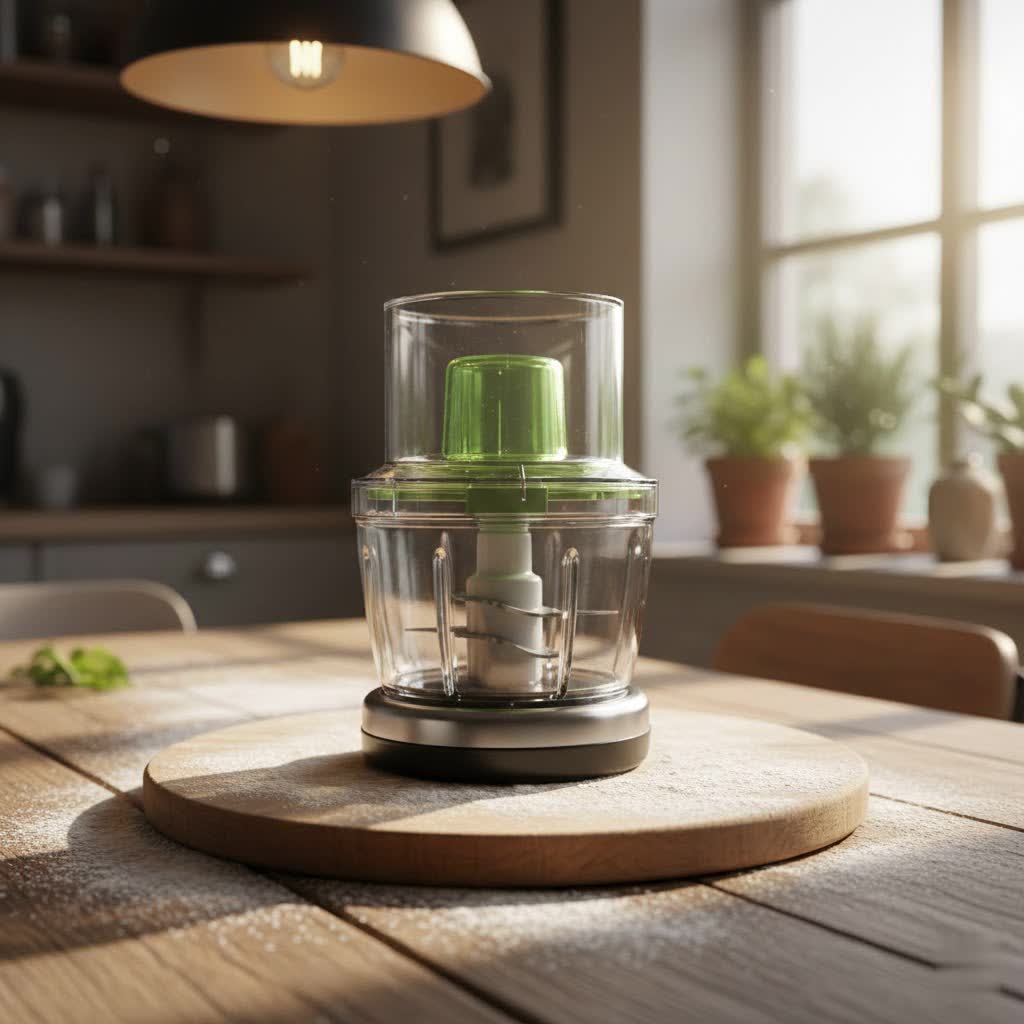
Hand Vegetable Chopper: A Time-Saving Solution for the Modern Kitchen
In today’s fast-paced world, efficiency in the kitchen is highly valued. Hand vegetable choppers offer a fantastic solution to one of cooking’s most universal challenges: manual vegetable preparation. Compared to traditional knife-and-cutting-board methods, these devices significantly reduce the physical effort and time required, making them indispensable for both seasoned chefs and busy home cooks.
The primary benefit of integrating a hand vegetable chopper into your routine is the immense time and energy it saves. What might take several minutes of careful knife work can often be accomplished in mere seconds with a few quick pulls or presses. This not only speeds up meal preparation but also helps prevent fatigue, especially when dealing with larger quantities of produce. Furthermore, hand choppers offer a level of consistency in diced or sliced vegetables that is often challenging to achieve manually, leading to more evenly cooked and presented dishes. Their portability, requiring no electricity, makes them ideal for any kitchen, or even for outdoor cooking adventures.
Unveiling Popular Types of Hand Vegetable Choppers
Hand vegetable choppers come in various designs, each offering a distinct chopping experience. Understanding these types will help you determine which best fits your culinary style and needs.
Pull-Cord Hand Choppers
Pull-cord choppers are characterized by their rotating blades, activated by repeatedly pulling a string or cord attached to the lid. This mechanism spins the blades rapidly within the bowl, finely chopping ingredients with each pull.
- Advantages: These choppers are incredibly fast and offer excellent control over the consistency of your chop; a few pulls yield a coarse chop, while more pulls result in a finer mince or even a puree. They are highly versatile, capable of handling a wide range of vegetables, fruits, nuts, and herbs, and often come with additional attachments like whisks. Their simple design typically makes them easy to disassemble and clean, with most parts being dishwasher safe.
- Disadvantages: Operating them usually requires two hands—one to stabilize the base and one to pull the cord. There’s also a slight learning curve to achieve the desired consistency without over-processing, which can turn vegetables into a mush if too many pulls are applied.
- Best for: Ideal for quickly preparing onions, garlic, carrots, tomatoes, and creating pestos, salsas, or baby food.
|
Our Picks for the Best Vegetable Chopper in 2026
As an Amazon Associate I earn from qualifying purchases.
|
||
| Num | Product | Action |
|---|---|---|
| 1 | Mueller Pro-Series All-in-One, 12 Blade Mandoline Slicer for Kitchen, Food Chopper, Vegetable Slicer and Spiralizer, Cutter, Dicer, Grater, Kitchen Gadgets Sets with Container, White Sand/Gray |

|
| 2 | Mueller The Real Original Pro Chopper since 2013 Vegetable Chopper Mandoline Slicer, 8 Blade Food Veggie Chopper Onion Vegetable Cutter with Container, Kitchen Gadgets & Essentials, (10 in 1) |
|
| 3 | ONCE FOR ALL Safe Mandoline Slicer 5 in 1 Vegetable Chopper Food Potato Cutter, Strips Julienne Dicer Adjustable Thickness 0.1-8 mm Kitchen Chopping Artifact Fast Meal Prep (Gray) |
|
| 4 | Fullstar Mandoline Slicer for Kitchen - Vegetable Chopper, Onion Potato Food Veggie Fruit Slicer and Cutter with Container, Kitchen Gadgets & Gifts, Home Essentials (6-in-1, White/Black) |
|
| 5 | Fullstar The Original Pro Chopper - Vegetable Chopper and Spiralizer, Food Chopper with Container, Fruit Slicer, Kitchen Gadgets & Gifts, Home Essentials (4 in 1, White) |
|
| 6 | Vegetable Chopper,12-in-1 Multifunctional Food Chopper,Professional Onion Chopper with 7 Blades,Vegetable Cutter with Container for Salad,Potato,Carrot,and Garlic; Essential Kitchen Tool(Grey) |
|
| 7 | Semi-Automatic 12-Inch Commercial Electric Food Slicer - 370W Motor with Precision-Adjust Blade for Home & Kitchen Use Chromium Steel Construction |
|
| 8 | Simple Deluxe Food Processor, 450W Electric Food Chopper with 2 Bowls (8 Cup+8 Cup) & 2 Bi-Level Blades, Small Electric Meat Grinder Processor for Nuts, Fruits, Meat, Vegetable, Baby Food, Silver |
|
| 9 | Mueller Vegetable Chopper Mandoline Slicer, Food Veggie Chopper, Cheese Grater, Onion Vegetable Cutter with Container, Dicer, Kitchen Gadgets & Essentials, White Sand/Grey |
|
| 10 | OXO Good Grips Vegetable Chopper |
|
Press-Down Hand Choppers
Also known as plunger or hinge-type choppers, press-down models feature a grid-style blade. You place a pre-cut piece of vegetable onto the blade grid, then press down on a lid or plunger, forcing the vegetable through the blades and into a collection container.
- Advantages: Press-down choppers excel at producing consistently sized, uniform dice, which is perfect for salads, stir-fries, and dishes where presentation matters. They are generally straightforward to use and require minimal setup. Many models are designed with a built-in container that neatly collects chopped produce, minimizing mess.
- Disadvantages: While great for firm vegetables like onions, peppers, and potatoes, they can struggle with very soft items such as ripe tomatoes, which may get squashed rather than cleanly cut. Smaller items like garlic cloves or herbs can sometimes be too small for the grid, leading to uneven results. The intricate blade grids can also be more challenging to clean compared to rotating blades, as food bits can get lodged in the crevices.
- Best for: Perfect for dicing onions, bell peppers, celery, and potatoes into neat, even pieces.
Multi-Blade & Specialized Hand Choppers
Beyond the two main categories, some hand choppers offer enhanced versatility or specialized functions. Multi-blade choppers often combine aspects of both pull-cord and press-down designs, or come with several interchangeable blades for various cuts, such as slicing, grating, and even spiralizing. Specialized choppers, like compact rolling garlic choppers, are designed for specific ingredients, offering precision for particular tasks. These options cater to cooks who desire greater flexibility or have very specific, frequent chopping needs.
Comparing Hand Vegetable Chopper Types
Choosing the right hand vegetable chopper depends largely on your specific needs and cooking preferences. Here’s a comparison to help you weigh your options:
| Feature | Pull-Cord Hand Choppers | Press-Down Hand Choppers | Multi-Blade Hand Choppers |
|---|---|---|---|
| Price | Low to Mid-range | Low to Mid-range | Mid-range to High |
| Functionality | Chopping, mincing, pureeing | Dicing, cubing | Dicing, slicing, grating, etc. |
| Advantages | Speed, texture control, easy cleaning | Consistent dice, direct, less mess | Highly versatile, many cuts |
| Disadvantages | Two-hand operation, potential over-processing | Can smash soft veggies, blades harder to clean | Can be bulkier, more parts to clean |
| Ideal Users | Quick meal prep, sauces, purees | Salads, stir-fries, even dicing | Diverse cooking, various preparations |
Your Guide to Choosing the Perfect Hand Vegetable Chopper
Selecting the best hand vegetable chopper involves considering several factors to ensure it meets your culinary demands and fits seamlessly into your kitchen.
Assess Your Kitchen Needs
Before purchasing, take a moment to consider how you plan to use the chopper.
- Quantity: Are you typically chopping small amounts for single meals or large batches for family dinners or meal prep? This will determine the ideal capacity you need.
- Desired Cuts: Do you mainly need finely minced garlic and herbs, consistently diced onions, or a variety of cuts for different dishes?
- Budget: Hand choppers are generally affordable, but prices can vary based on features and brand. Determine what you’re willing to spend.
Understand Chopper Mechanisms
Decide whether a pull-cord or a press-down mechanism (or a multi-blade system) aligns better with your cooking style. If speed and varied textures are priorities, a pull-cord might be best. For precise, uniform cubes, a press-down chopper is ideal. Many cooks find value in having both types for different tasks.
Material Quality and Durability
Look for choppers made from high-quality, food-grade materials. Stainless steel blades are crucial for sharpness and longevity, while durable, BPA-free plastic or glass bowls ensure safety and resistance to staining or odors. A non-slip base is also a valuable feature for stability during use.
Ease of Cleaning and Storage
Ease of cleaning is a significant factor in kitchen tools. Opt for choppers that can be easily disassembled, with dishwasher-safe components (bowls and blades are often dishwasher-safe, but lids may require handwashing). For storage, consider compact designs or models where the plunger can lock down, taking up less cabinet space.
Brand Reputation and User Reviews
Investigate reputable brands known for producing quality kitchenware. Reading user reviews can offer real-world insights into a product’s performance, durability, and any common issues, helping you make an informed decision.
Top 5 Hand Vegetable Choppers for Effortless Meal Prep
When it comes to enhancing your kitchen efficiency, several hand vegetable choppers stand out for their design, performance, and user satisfaction. Here are examples of highly-regarded types and their key features:
-
The Versatile Pull-Cord Chopper (e.g., Zyliss Easy Pull / Kuhn Rikon Pull Chop):
- Advantages: Renowned for exceptional speed and control, allowing users to achieve anything from a coarse chop to a fine mince or even a puree with just a few pulls. Its sharp, rotating blades efficiently handle a wide variety of ingredients, from onions and garlic to nuts and firmer vegetables. Often portable and easy to clean.
- Disadvantages: Requires two hands for operation.
- Referenced Price: Typically in the mid-range.
-
The Consistent Press-Down Dicer (e.g., OXO Good Grips Chopper):
- Advantages: Delivers perfectly uniform dice with a simple press. This makes it a favorite for preparing salads, stir-fries, and any dish requiring precise, even cuts of vegetables like onions, peppers, and potatoes. It’s user-friendly and often features a collection container.
- Disadvantages: Less versatile for mincing herbs or very soft items; can be challenging to clean the intricate blade grid.
- Referenced Price: Generally budget-friendly to mid-range.
-
The Multi-Blade System (e.g., Fullstar Vegetable Chopper / Mueller Pro-Series 10-in-1):
- Advantages: These comprehensive sets offer a range of interchangeable blades for dicing (various sizes), slicing, and sometimes grating or spiralizing. They provide exceptional versatility for diverse cooking tasks, making them a kitchen powerhouse. Many models feature a built-in container and cleaning tools.
- Disadvantages: Can take up more storage space due to multiple attachments; blades may require careful cleaning.
- Referenced Price: Often in the mid to higher range due to included accessories.
-
The Compact Garlic & Herb Chopper (e.g., Chef’n Garliczoom):
- Advantages: While highly specialized, these small, rolling choppers excel at mincing garlic and herbs quickly and neatly. Their intuitive design is perfect for specific, smaller tasks, and they are typically very compact for easy storage.
- Disadvantages: Limited functionality beyond very specific ingredients.
- Referenced Price: Budget-friendly.
-
The Heavy-Duty Manual Food Processor (e.g., Mueller Dual-Speed Pull Chopper):
- Advantages: Offering a larger capacity and often dual-speed controls, this type combines the efficiency of a pull-cord mechanism with the ability to handle larger volumes. It’s robust enough for bigger meal prep tasks and can also serve functions like whisking, making it highly versatile for those needing more than just basic chopping.
- Disadvantages: Larger footprint; similar to other pull-cord models, requires two hands.
- Referenced Price: Mid-range.
Essential Tips for Using and Maintaining Your Hand Vegetable Chopper
To ensure your hand vegetable chopper remains a reliable kitchen companion for years to come, proper usage and maintenance are key.
Firstly, always pre-cut larger vegetables into more manageable chunks before placing them in the chopper. This prevents the blades from getting stuck and ensures more efficient processing. Avoid overfilling the chopper, as this can hinder the blades’ movement and lead to uneven results or damage to the mechanism. For pull-cord models, a steady, firm pull is more effective than short, jerky motions, and remember that more pulls equate to a finer chop, so stop when you reach your desired consistency. For press-down choppers, ensure the vegetable piece is correctly aligned with the blade grid before pressing down firmly and consistently.
Cleaning is crucial. Most hand choppers are designed for easy disassembly, with bowls and blades often being dishwasher-safe. However, always check the manufacturer’s instructions. For sharp blades, handwashing is often recommended to maintain their edge and prevent accidental cuts; use a brush to dislodge any stuck food bits. Lids, especially those with pull-cord mechanisms or intricate hinges, might require handwashing and should be kept away from excessive moisture to protect internal springs and cords. Store your chopper in a dry place, ideally disassembled or with its parts neatly stacked to save space and prevent damage.
Frequently Asked Questions
What are the main benefits of using a hand vegetable chopper over a knife?
Hand vegetable choppers significantly reduce prep time and effort, provide more consistent cuts, and can be safer for individuals with dexterity issues compared to using a traditional knife. They also eliminate the need for electricity, offering portability and convenience.
Can hand vegetable choppers chop hard vegetables like carrots and potatoes?
Yes, most hand vegetable choppers can handle hard vegetables, especially pull-cord models, though it’s often recommended to pre-cut them into smaller pieces to ensure smooth operation and prevent strain on the blades.
How do I choose between a pull-cord and a press-down hand chopper?
Choose a pull-cord chopper if you prioritize speed, versatility for different textures (mincing, pureeing), and easier cleaning. Opt for a press-down chopper if your main goal is consistently diced vegetables and ease of use for firm produce.
Are hand vegetable choppers difficult to clean?
While some press-down choppers with intricate grid blades can be more challenging to clean, many models are designed for easy disassembly, with bowls and blades often being dishwasher-safe. Proper care, like rinsing immediately after use, helps.
Can I use a hand vegetable chopper for more than just vegetables?
Absolutely! Many hand choppers are versatile enough to chop fruits, nuts, herbs, and even boneless cooked meat. Some pull-cord models even come with whisk attachments for eggs or sauces.
What capacity hand chopper is right for me?
Consider your typical cooking volume. A smaller capacity (around 2 cups) is ideal for single servings or small amounts of garlic and herbs. Larger capacities (5 cups or more) are better for batch cooking, family meals, or extensive meal prep.
