Preparing meals can often feel like a race against the clock, especially when faced with a mountain of vegetables needing to be chopped, diced, and sliced. In our fast-paced lives, finding smart kitchen solutions is key to maintaining a healthy diet without sacrificing precious time. This is where the humble Manual Vegetable Chopper steps in, transforming tedious food preparation into an effortless and enjoyable task. If you’re tired of uneven cuts, slippery knives, and time-consuming chopping, a manual vegetable chopper might just be the kitchen hero you’ve been waiting for.
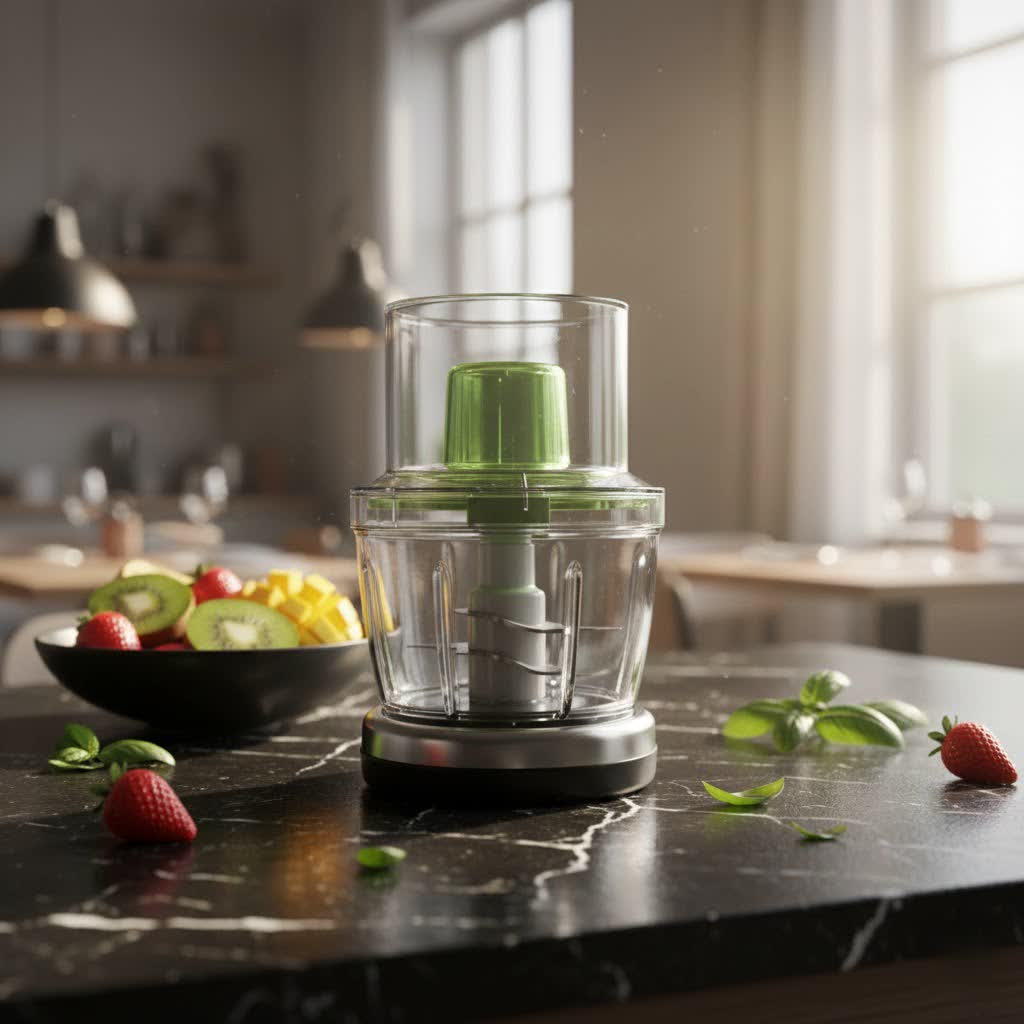
Manual Vegetable Choppers: A Time-Saving Solution for the Modern Kitchen
Manual vegetable choppers are indispensable tools designed to simplify and speed up the process of preparing fruits, vegetables, herbs, and nuts. They offer a hands-on yet efficient alternative to traditional knife-and-cutting-board methods, dramatically cutting down prep time. By mechanizing the chopping process, these compact gadgets free you from the laborious and often hazardous task of hand-chopping, ensuring consistent results with minimal effort.
The benefits of integrating a manual chopper into your daily routine extend beyond mere speed. They provide uniform cuts, which is crucial for even cooking and aesthetically pleasing dishes. More importantly, they significantly reduce the risk of kitchen mishaps, such as accidental cuts and injuries, making food preparation safer for everyone. Whether you’re making a quick salad, a hearty soup, or a complex curry, a manual vegetable chopper streamlines your workflow and enhances your overall cooking experience.
Popular Types of Manual Vegetable Choppers on the Market
Manual vegetable choppers come in various designs, each offering unique advantages tailored to different chopping needs and preferences. Understanding these types will help you select the best tool for your culinary adventures.
Pull-String Manual Choppers
These choppers are known for their simplicity and effectiveness, making them a popular choice for many home cooks. A pull-string mechanism rotates sharp stainless steel blades within a container, finely chopping ingredients with just a few pulls.
- Pros: Generally inexpensive, very easy to use, and require no electricity, making them highly portable. They are excellent for quickly mincing garlic, onions, herbs, and creating consistent textures for sauces and purees.
- Cons: The pull-cord mechanism can sometimes be less durable over time, and they are typically better suited for smaller batches rather than large quantities.
- Suitable for: Small families, individuals, camping trips, or those who frequently prepare small amounts of ingredients for salads, dips, or garnishes.
|
Our Picks for the Best Vegetable Chopper in 2026
As an Amazon Associate I earn from qualifying purchases.
|
||
| Num | Product | Action |
|---|---|---|
| 1 | ONCE FOR ALL Safe Mandoline Slicer 5 in 1 Vegetable Chopper Food Potato Cutter, Strips Julienne Dicer Adjustable Thickness 0.1-8 mm Kitchen Chopping Artifact Fast Meal Prep (Gray) |

|
| 2 | Fullstar Mandoline Slicer for Kitchen - Vegetable Chopper, Onion Potato Food Veggie Fruit Slicer and Cutter with Container, Kitchen Gadgets & Gifts, Home Essentials (6-in-1, White/Black) |
|
| 3 | Semi-Automatic 12-Inch Commercial Electric Food Slicer - 370W Motor with Precision-Adjust Blade for Home & Kitchen Use Chromium Steel Construction |
|
| 4 | Mueller Vegetable Chopper Mandoline Slicer, Food Veggie Chopper, Cheese Grater, Onion Vegetable Cutter with Container, Dicer, Kitchen Gadgets & Essentials, White Sand/Grey |
|
| 5 | Mueller Pro-Series All-in-One, 12 Blade Mandoline Slicer for Kitchen, Food Chopper, Vegetable Slicer and Spiralizer, Cutter, Dicer, Grater, Kitchen Gadgets Sets with Container, White Sand/Gray |
|
| 6 | Fullstar The Original Pro Chopper - Vegetable Chopper and Spiralizer, Food Chopper with Container, Fruit Slicer, Kitchen Gadgets & Gifts, Home Essentials (4 in 1, White) |
|
| 7 | OXO Good Grips Vegetable Chopper |
|
| 8 | Mueller The Real Original Pro Chopper since 2013 Vegetable Chopper Mandoline Slicer, 8 Blade Food Veggie Chopper Onion Vegetable Cutter with Container, Kitchen Gadgets & Essentials, (10 in 1) |
|
| 9 | Simple Deluxe Food Processor, 450W Electric Food Chopper with 2 Bowls (8 Cup+8 Cup) & 2 Bi-Level Blades, Small Electric Meat Grinder Processor for Nuts, Fruits, Meat, Vegetable, Baby Food, Silver |
|
| 10 | Vegetable Chopper,12-in-1 Multifunctional Food Chopper,Professional Onion Chopper with 7 Blades,Vegetable Cutter with Container for Salad,Potato,Carrot,and Garlic; Essential Kitchen Tool(Grey) |
|
Push-Type Manual Choppers
Push-type choppers typically feature a plunging mechanism where you press down on a handle or lid, forcing the food through a grid of sharp blades. This design is robust and excellent for consistent dicing.
- Pros: Extremely durable due to their sturdy construction, often producing very precise and uniform dices. They are effective for chopping harder vegetables like carrots, potatoes, and onions. Many come with integrated collection containers, reducing mess.
- Cons: Can require more physical effort than pull-string models, and some designs may struggle with softer or very fibrous vegetables, potentially bruising them.
- Suitable for: Those who prioritize consistent, diced cuts for stir-fries, stews, or larger-scale meal prepping, and desire a mess-free experience.
Multi-Blade Manual Choppers (Grid/Mandoline Style)
These versatile choppers often combine multiple functions, featuring interchangeable blades for various cuts like slicing, dicing, shredding, and sometimes even spiralizing. They typically include a large collection container.
- Pros: Offer incredible versatility with multiple blade options, allowing for a wide range of cutting styles. They are efficient for processing larger volumes of produce and often include safety features like handguards.
- Cons: Can be more complex to clean due to numerous parts and may be less efficient with very soft vegetables compared to their electric counterparts. They also tend to be larger and require more storage space.
- Suitable for: Avid cooks, professional chefs, or anyone who enjoys diverse cooking and requires a tool that can handle various cutting tasks and larger quantities of ingredients.
Comparison Table of Manual Vegetable Chopper Types
Here’s a detailed comparison to help you visualize the differences between popular manual vegetable chopper types:
| Feature | Pull-String Chopper | Push-Type Chopper | Multi-Blade (Grid/Mandoline) Chopper |
|---|---|---|---|
| Price | Low | Medium | Medium to High |
| Functionality | Mincing, pureeing, chopping | Dicing, chopping | Slicing, dicing, shredding, spiralizing |
| Pros | Easy to use, portable, fast for small batches, no electricity | Durable, precise, consistent cuts, integrated container | Highly versatile, multiple cut options, large capacity |
| Cons | Rope can wear, limited capacity, less ideal for hard veggies | More manual effort, may bruise soft veggies | More parts to clean, less efficient for very soft items |
| Ideal User | Small families, campers, quick garnishes, sauces | Everyday dicing, meal prep, onion chopping | Diverse cooks, large families, professional use |
How to Choose the Right Manual Vegetable Chopper
Selecting the perfect manual vegetable chopper involves considering several factors to ensure it meets your specific kitchen needs.
Assess Your Needs
Before purchasing, think about your typical cooking habits. How much food do you usually prepare? Do you need fine mincing for garlic and herbs, or precise dicing for salads and stews? Your budget is also a crucial factor, as prices can vary significantly between types and brands.
Consider Chopper Type
Based on your needs, choose the appropriate type. A pull-string model is great for quick, small jobs and mincing. A push-type chopper excels at consistent dicing of firmer vegetables. For maximum versatility and a wide range of cuts, a multi-blade grid chopper is the way to go.
Material and Durability
Look for choppers made from high-quality, food-grade materials. Stainless steel blades are essential for sharpness, durability, and rust resistance. The body of the chopper should be made from robust, BPA-free plastic to ensure longevity and food safety. A sturdy build will withstand repeated use and pressure.
Brand and Reviews
Reputable brands often signify better quality and customer support. Always check user reviews and ratings to gauge real-world performance, ease of cleaning, and durability. Reviews can highlight common issues or unexpected benefits that product descriptions might miss.
Size and Capacity
Consider your available kitchen space and the volume of food you typically prepare. Compact choppers are ideal for small kitchens and occasional use, while larger capacity models are better for big families or extensive meal prep, reducing the need to chop in multiple batches.
Safety Features
As choppers involve sharp blades, safety is paramount. Look for features like non-slip bases to prevent movement during use, finger guards to protect your hands, and secure locking mechanisms for lids to prevent spills and ensure safe operation.
Top 4 Manual Vegetable Choppers Popular Today
Based on expert reviews and consumer feedback, here are some highly-regarded manual vegetable choppers that stand out in the market:
-
Zyliss Easy Pull Food Processor:
- Pros: Known for its effortless pull-string operation, capable of finely chopping various ingredients, including firmer vegetables. It features a comfortable handle and a non-slip base for stability. Compact and easy to clean.
- Cons: May cause some bruising on delicate herbs if over-processed.
- Price: Mid-range.
-
Mueller Pro-Series 10-in-1 Vegetable Chopper:
- Pros: A highly versatile multi-blade chopper with several interchangeable blades for slicing, dicing, shredding, and spiralizing. It includes a large collection container and is praised for its sturdy build and effectiveness with various vegetables.
- Cons: More parts to clean due to its multi-functional design.
- Price: Mid-range.
-
OXO Good Grips Chopper:
- Pros: A popular push-type chopper celebrated for its sharp stainless steel blade and clear collection cup with measurement markings. It’s ideal for small chopping tasks like garlic or shallots and features a non-slip base and a plunger that locks down for compact storage. All parts are dishwasher safe.
- Cons: Best for smaller quantities; not designed for heavy-duty, large-batch chopping.
- Price: Budget-friendly.
-
Fullstar Vegetable Chopper:
- Pros: This multi-blade chopper offers great value with various interchangeable blades for different cuts. It comes with a generous collection tray, making it excellent for various chopping tasks and keeping the workspace tidy.
- Cons: Can be slightly less efficient with extremely soft vegetables.
- Price: Budget-friendly.
Tips for Using and Maintaining Your Manual Vegetable Chopper
To get the most out of your manual vegetable chopper and ensure its longevity, proper usage and maintenance are key.
- Pre-cut Larger Items: For push-type or multi-blade choppers, pre-cutting larger vegetables into manageable pieces will ensure smoother operation and prevent strain on the blades.
- Don’t Overfill: Avoid overfilling the chopper’s container. This allows the blades to move freely and chop ingredients evenly, preventing uneven results or blockages.
- Clean Immediately: After each use, disassemble your chopper and rinse all parts thoroughly. Food particles can dry and become difficult to remove, affecting hygiene and future performance.
- Dishwasher Safe Parts: Many choppers have dishwasher-safe bowls and blades, but always check the manufacturer’s instructions. Lids with mechanisms (like pull-strings or push plungers) are often hand-wash only to protect the moving parts.
- Store Properly: Ensure all parts are completely dry before reassembling and storing. Store blades safely to prevent accidental cuts and maintain their sharpness. Some models have locking features for compact storage.
> “A good manual chopper is a game-changer for daily cooking, offering speed and consistency that a knife often can’t match, especially for repetitive tasks.” – Chef Alice Chen, Culinary Instructor
Conclusion
Manual vegetable choppers are simple yet incredibly powerful tools that can significantly enhance your kitchen efficiency and make healthy eating more accessible. From effortlessly mincing garlic to perfectly dicing onions, these compact gadgets save you time, reduce mess, and minimize the risk of cuts. With various types available—from pull-string to push-type and versatile multi-blade designs—there’s a manual vegetable chopper suited for every cook and every kitchen. By considering your specific needs, focusing on quality materials, and following proper maintenance, you can find a reliable companion that makes meal preparation a joy rather than a chore.
What kind of delicious, time-saving meals will you create with your new manual vegetable chopper?
Frequently Asked Questions
What are the main benefits of using a manual vegetable chopper over a knife?
Manual vegetable choppers offer several key benefits over traditional knife chopping, primarily saving time and ensuring consistency. They provide uniform cuts, which leads to even cooking, and significantly reduce the risk of accidental cuts and injuries. They also help minimize mess and often require less skill than precision knife work.
Are manual choppers difficult to clean?
The ease of cleaning varies by design. Many models feature dishwasher-safe bowls and blades, making cleanup straightforward. However, choppers with complex mechanisms, especially pull-string or hinged lids, often require hand-washing for those specific parts to maintain their functionality and durability. Always refer to the manufacturer’s cleaning instructions.
