Cooking can be a joyous experience, but the never-ending task of chopping, dicing, and mincing vegetables often feels like a chore, consuming precious time and testing patience. Imagine a kitchen where prep work is fast, efficient, and even enjoyable. This is where the hand held vegetable chopper steps in, transforming tedious tasks into swift actions and allowing you to reclaim your time and passion for cooking.
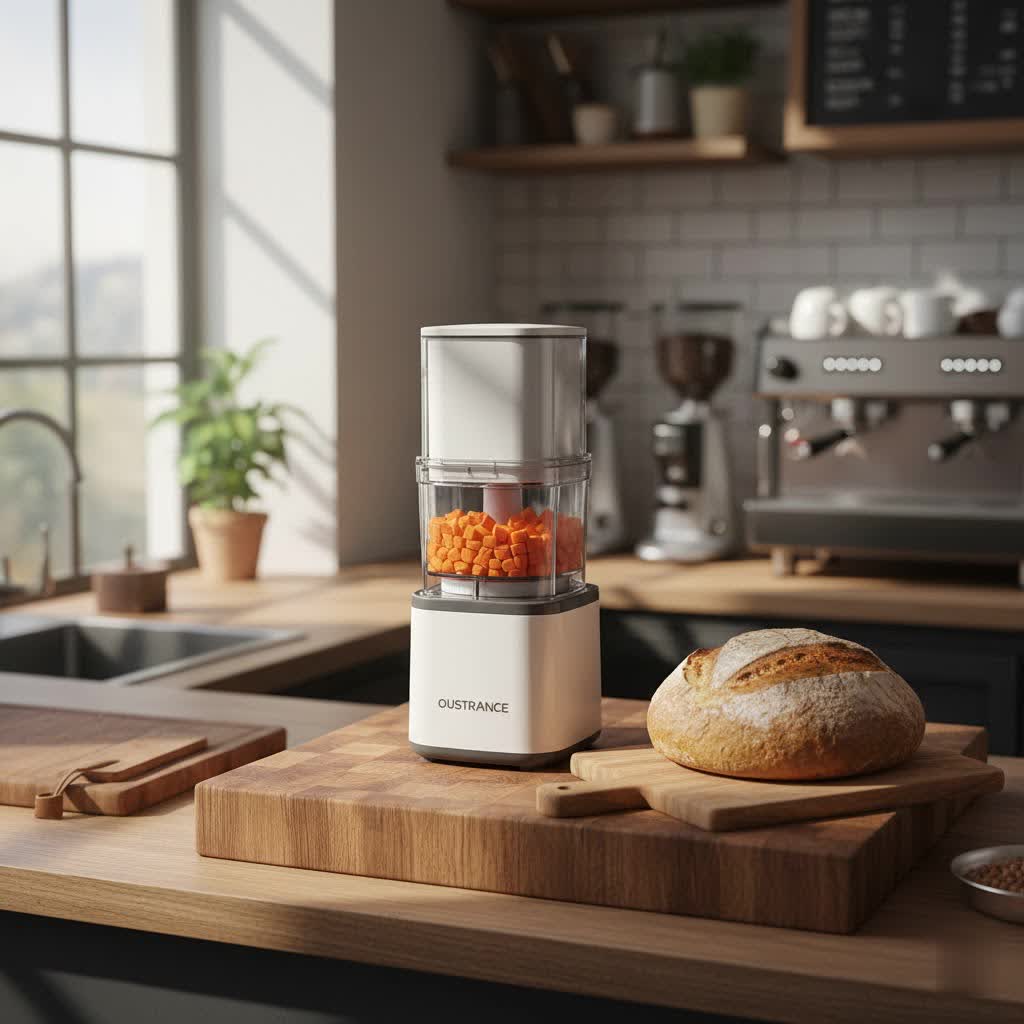
Hand Held Vegetable Choppers: Your Time-Saving Kitchen Ally
Hand held vegetable choppers are ingenious manual devices designed to simplify food preparation, making them an indispensable tool in any modern kitchen. Unlike cumbersome electric food processors or the traditional knife and cutting board, these compact gadgets offer a quick, convenient, and often safer alternative for processing a variety of ingredients. They excel at reducing the time spent on mundane chopping, allowing you to focus on the creative aspects of cooking. The consistent, uniform cuts they produce not only make dishes look more appealing but also ensure even cooking, elevating the overall quality of your meals. From rapidly dicing onions without a single tear to perfectly mincing garlic, a hand held chopper is a game-changer for daily meal prep.
Types of Hand Held Vegetable Choppers
The market offers a diverse range of hand held vegetable choppers, each with unique mechanisms and advantages. Understanding these variations can help you pinpoint the ideal tool for your culinary style.
Pull-Cord Choppers
Pull-cord choppers operate with a simple yet effective mechanism: a string or cord is pulled, causing internal blades to rapidly rotate. This design is highly efficient for achieving consistent, finely chopped results.
- Advantages: Excellent for even chopping, can handle a variety of firmnesses from soft herbs to tougher carrots, portable and requires no electricity, often includes a container for chopped ingredients.
- Disadvantages: May not be ideal for very small quantities that don’t reach the blades, cord mechanism needs care to ensure longevity.
- Best for: Everyday chopping, preparing salsas, pestos, baby food, and efficiently processing larger quantities of vegetables like onions, peppers, and tomatoes.
|
Our Picks for the Best Vegetable Chopper in 2026
As an Amazon Associate I earn from qualifying purchases.
|
||
| Num | Product | Action |
|---|---|---|
| 1 | Fullstar The Original Pro Chopper - Vegetable Chopper and Spiralizer, Food Chopper with Container, Fruit Slicer, Kitchen Gadgets & Gifts, Home Essentials (4 in 1, White) |

|
| 2 | Mueller The Real Original Pro Chopper since 2013 Vegetable Chopper Mandoline Slicer, 8 Blade Food Veggie Chopper Onion Vegetable Cutter with Container, Kitchen Gadgets & Essentials, (10 in 1) |
|
| 3 | Fullstar Mandoline Slicer for Kitchen - Vegetable Chopper, Onion Potato Food Veggie Fruit Slicer and Cutter with Container, Kitchen Gadgets & Gifts, Home Essentials (6-in-1, White/Black) |
|
| 4 | ONCE FOR ALL Safe Mandoline Slicer 5 in 1 Vegetable Chopper Food Potato Cutter, Strips Julienne Dicer Adjustable Thickness 0.1-8 mm Kitchen Chopping Artifact Fast Meal Prep (Gray) |
|
| 5 | Mueller Vegetable Chopper Mandoline Slicer, Food Veggie Chopper, Cheese Grater, Onion Vegetable Cutter with Container, Dicer, Kitchen Gadgets & Essentials, White Sand/Grey |
|
| 6 | Simple Deluxe Food Processor, 450W Electric Food Chopper with 2 Bowls (8 Cup+8 Cup) & 2 Bi-Level Blades, Small Electric Meat Grinder Processor for Nuts, Fruits, Meat, Vegetable, Baby Food, Silver |
|
| 7 | Semi-Automatic 12-Inch Commercial Electric Food Slicer - 370W Motor with Precision-Adjust Blade for Home & Kitchen Use Chromium Steel Construction |
|
| 8 | OXO Good Grips Vegetable Chopper |
|
| 9 | Mueller Pro-Series All-in-One, 12 Blade Mandoline Slicer for Kitchen, Food Chopper, Vegetable Slicer and Spiralizer, Cutter, Dicer, Grater, Kitchen Gadgets Sets with Container, White Sand/Gray |
|
| 10 | Vegetable Chopper,12-in-1 Multifunctional Food Chopper,Professional Onion Chopper with 7 Blades,Vegetable Cutter with Container for Salad,Potato,Carrot,and Garlic; Essential Kitchen Tool(Grey) |
|
Push (Plunger) Choppers
Push choppers, also known as plunger-style choppers, feature a grid of blades at the bottom and a plunger mechanism. You place food on the blades and push down, forcing it through the grid.
- Advantages: Excellent for dicing uniform cubes or sticks, quick for chopping items like onions and potatoes, less risk of direct blade contact during operation, often compact for storage.
- Disadvantages: Can require significant downward force for harder vegetables, limited to specific cut shapes, cleaning food from the grid can be challenging.
- Best for: Dicing onions, potatoes, bell peppers, and other firm vegetables into uniform pieces for salads, stir-fries, or stews.
Crank Handle Choppers
Crank handle choppers typically feature a hand-crank mechanism that rotates blades within a bowl. Similar to a miniature food processor, they offer a good balance of speed and control.
- Advantages: Provides more control over chop size compared to pull-cord or push types, less strenuous than repetitive pushing, often versatile enough for chopping, mixing, and sometimes even whipping.
- Disadvantages: Can be bulkier than other manual choppers, might require two hands for operation (one to hold, one to crank).
- Best for: Users who prefer more control over texture, making larger batches of chopped ingredients, or light mixing tasks.
Comparing Hand Held Vegetable Choppers: A Quick Glance
Choosing the right hand held vegetable chopper depends on your specific needs and preferences. Here’s a comparative overview:
| Feature | Pull-Cord Chopper | Push (Plunger) Chopper | Crank Handle Chopper |
|---|---|---|---|
| Price Range | Low to Mid | Low to Mid | Mid to High |
| Functionality | Chopping, mincing, pureeing | Dicing, cubing | Chopping, mixing, whipping |
| Pros | Even cuts, versatile, portable | Uniform dices, quick for specific cuts | Good control, multi-functional |
| Cons | Can be harder to clean, cord wear | Requires force, grid can be tricky to clean | Can be larger, two-handed operation |
| Ideal User | Everyday cook, small families | Dicing enthusiasts, meal preppers | Versatile cooks, those needing more control |
How to Choose the Perfect Hand Held Vegetable Chopper
Selecting the right hand held vegetable chopper involves considering several factors to ensure it meets your culinary demands.
Assess Your Needs
Begin by evaluating your typical cooking habits. How often do you chop vegetables? What quantities do you usually prepare? Do you primarily need dicing, mincing, or both? Are you working with mostly soft ingredients or harder ones like carrots and potatoes? Your answers will guide you towards the most suitable type of chopper (manual, electric, or multi-functional). Consider your budget as well; while manual choppers are generally affordable, prices vary with features and brands.
Blade Material and Sharpness
The effectiveness and longevity of your chopper heavily depend on its blades. Opt for choppers with high-quality stainless steel blades, which are known for their durability, corrosion resistance, and ability to stay sharp over time. Sharp blades are crucial for clean, efficient cuts and safer operation, as dull blades can require more force and slip.
Ease of Cleaning and Maintenance
Choppers, especially those with intricate blade systems, can be tricky to clean. Look for models that are easy to disassemble, with parts that are dishwasher-safe (excluding the lid or motor for electric models). Some come with cleaning brushes or picks to help remove stuck food particles. Simple cleaning ensures hygiene and extends the life of your device.
Design and Safety Features
A good hand held chopper should be stable and safe to use. Look for features like a non-slip base that keeps the chopper secure on your countertop. Hand guards or enclosed blade designs are vital for preventing accidental cuts. Compact designs are a bonus for kitchens with limited storage space, and some models even feature locking mechanisms for safer storage.
Brand Reputation and Reviews
Researching reputable brands and reading user reviews can provide invaluable insights. Brands known for quality kitchen gadgets often produce reliable choppers. User reviews can highlight real-world performance, durability, and any common issues that might not be apparent from product descriptions alone.
Top Hand Held Vegetable Choppers to Consider
Navigating the array of options can be daunting, so here are a few highly-regarded types of hand held vegetable choppers that stand out for their performance and design:
- Pull-Cord Chopper (e.g., Zyliss Easy Pull Food Processor): These models are praised for their ease of use and ability to produce finely minced ingredients with just a few pulls. They are excellent for everyday tasks, from chopping onions to making salsa, and are generally easy to clean with dishwasher-safe components.
- Push-Style Chopper (e.g., OXO Good Grips Chopper): Ideal for quick dicing, these choppers offer precise, uniform cuts for vegetables like onions and peppers. Many come with a collection container, minimizing mess, and feature a sturdy design for durability.
- Multi-Blade Versatile Chopper (e.g., Fullstar Vegetable Chopper): For those seeking maximum versatility, choppers that come with multiple interchangeable blades for slicing, dicing, and even spiralizing are a fantastic choice. While they might have more components to store and clean, their multi-functionality can replace several other kitchen tools.
Tips for Using and Maintaining Your Hand Held Chopper
To maximize the performance and lifespan of your hand held vegetable chopper, proper usage and maintenance are key.
- Safe Usage: Always read the instruction manual before first use. Ensure the chopper is placed on a stable, non-slip surface. For push choppers, make sure your fingers are clear of the blades. With pull-cord models, pull the cord smoothly and avoid excessive force. Pre-cut larger vegetables into smaller, manageable pieces to prevent straining the blades and mechanism.
- Cleaning and Storage: Most parts of hand held choppers are dishwasher-safe, but always check manufacturer guidelines. For pull-cord lids, hand washing is often recommended to protect the mechanism. Use a small brush or the included cleaning tool to remove food bits stuck in blades or grids. Store your chopper disassembled or with blades securely covered to prevent accidents and maintain sharpness. Ensure all parts are completely dry before storage to prevent rust or mildew.
Conclusion
A hand held vegetable chopper is more than just a kitchen gadget; it’s an investment in efficiency, precision, and culinary enjoyment. By significantly cutting down on prep time and offering consistent results, these tools empower home cooks to explore new recipes and enjoy the cooking process without the hassle. From quick weeknight dinners to elaborate weekend feasts, the right hand held chopper can truly revolutionize your kitchen experience. Are you ready to chop your way to faster, more enjoyable meals?
Frequently Asked Questions
Can a hand held vegetable chopper replace a full-sized food processor?
While a hand held vegetable chopper is excellent for basic chopping, mincing, and dicing, it typically cannot fully replace a large electric food processor for tasks like pureeing large batches, kneading dough, or slicing/shredding with specialized discs. However, for everyday small to medium-sized chopping needs, it offers superior convenience and portability.
Are hand held choppers difficult to clean?
The ease of cleaning varies by model. Pull-cord choppers usually have a removable blade assembly and bowl that are often dishwasher-safe, while the lid needs hand washing. Push choppers, especially those with grid-style blades, can sometimes trap food, but many come with cleaning tools or have dishwasher-safe components for easier maintenance.
What kind of vegetables can I chop with a hand held chopper?
Most hand held choppers can handle a wide variety of vegetables, including onions, garlic, carrots (pre-cut), bell peppers, cucumbers, celery, and herbs. Softer fruits like tomatoes can also be chopped, though results might be less uniform depending on the chopper type. Very hard or fibrous vegetables might require more effort or pre-cutting.
