In the hustle and bustle of modern life, the kitchen often becomes a battlefield against time. Chopping vegetables, while fundamental to countless dishes, can be the most tedious and time-consuming part of meal preparation. If you’ve ever dreamed of effortlessly dicing onions without tears or uniformly slicing carrots in seconds, a vegetable chopper is the hero your kitchen needs. This comprehensive guide will navigate you through the world of vegetable choppers, exploring their types, benefits, crucial selection criteria, and how to conveniently find one that perfectly suits your culinary adventures, whether online or right at a store near you.
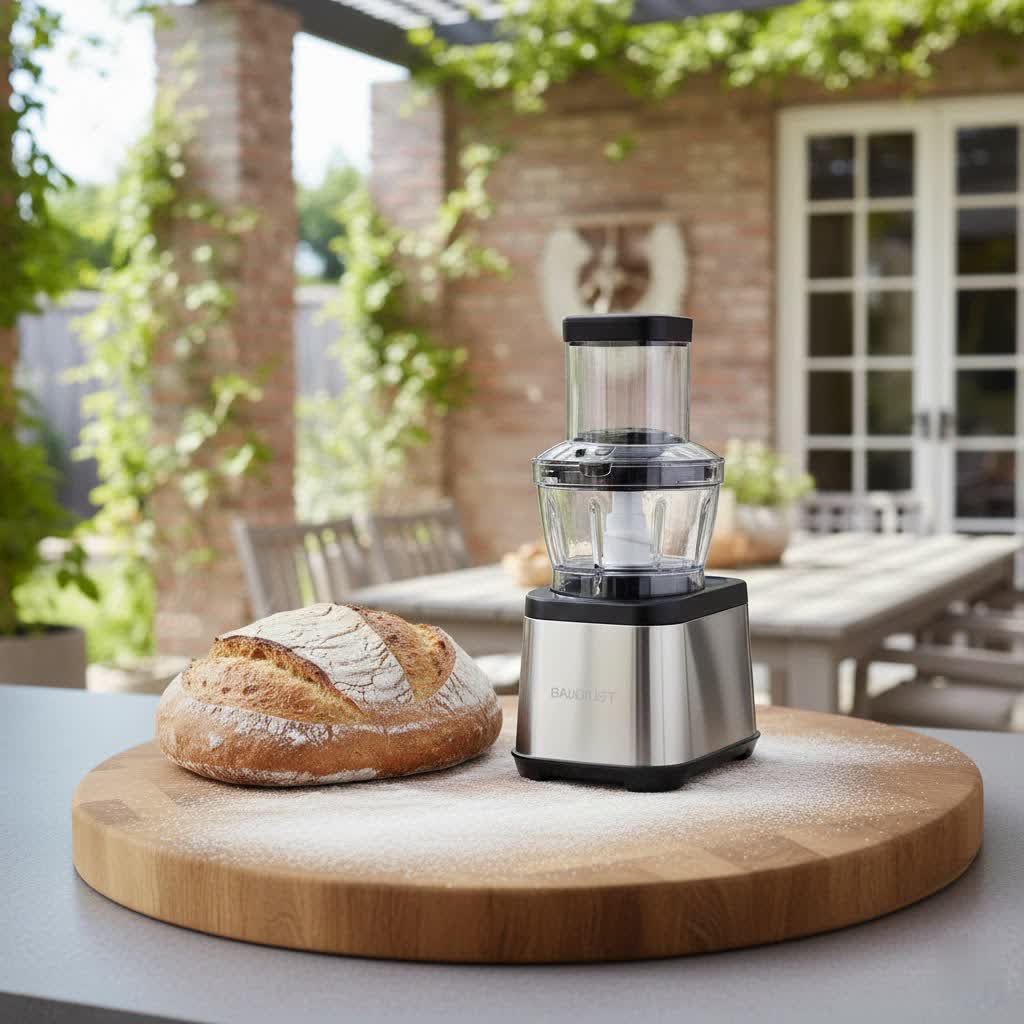
Vegetable Chopper: A Time-Saving Solution for the Modern Kitchen
A vegetable chopper is an invaluable kitchen appliance designed to simplify and accelerate the process of preparing ingredients. Beyond just chopping, these ingenious tools can dice, slice, mince, and even julienne vegetables with remarkable speed and consistency, far surpassing what manual knife skills can achieve for the average home cook. Incorporating a vegetable chopper into your daily routine dramatically cuts down on prep time, allowing you to dedicate more moments to the actual cooking or simply enjoying your day. This efficiency encourages healthier eating habits by making it easier and quicker to include fresh produce in every meal, reducing the reliance on pre-cut or processed alternatives. Moreover, these choppers often enhance safety by minimizing direct contact with sharp blades, a significant advantage, especially for those with less dexterity or busy families.
Popular Types of Vegetable Choppers on the Market
The market offers a diverse range of vegetable choppers, each catering to different needs, preferences, and kitchen setups. Understanding the distinctions between them is key to making an informed choice.
Manual Vegetable Choppers
Manual choppers are the most basic and often the most budget-friendly option. They typically operate without electricity, relying on user power through a push-down mechanism or a pull-string to activate their blades.
- Advantages: They are highly portable, easy to store, generally more affordable, and ideal for situations where electricity isn’t available, like camping trips. Their simple design also often makes them straightforward to clean.
- Disadvantages: Manual choppers require physical effort and are typically best suited for smaller quantities of food. Their chopping capacity and speed are lower compared to electric models.
- Best Suited For: Individuals or small families with occasional chopping needs, those with limited kitchen space, or cooks who prefer simple, non-electric gadgets.
|
Our Picks for the Best Vegetable Chopper in 2026
As an Amazon Associate I earn from qualifying purchases.
|
||
| Num | Product | Action |
|---|---|---|
| 1 | Fullstar The Original Pro Chopper - Vegetable Chopper and Spiralizer, Food Chopper with Container, Fruit Slicer, Kitchen Gadgets & Gifts, Home Essentials (4 in 1, White) |

|
| 2 | Simple Deluxe Food Processor, 450W Electric Food Chopper with 2 Bowls (8 Cup+8 Cup) & 2 Bi-Level Blades, Small Electric Meat Grinder Processor for Nuts, Fruits, Meat, Vegetable, Baby Food, Silver |
|
| 3 | Fullstar Mandoline Slicer for Kitchen - Vegetable Chopper, Onion Potato Food Veggie Fruit Slicer and Cutter with Container, Kitchen Gadgets & Gifts, Home Essentials (6-in-1, White/Black) |
|
| 4 | Mueller The Real Original Pro Chopper since 2013 Vegetable Chopper Mandoline Slicer, 8 Blade Food Veggie Chopper Onion Vegetable Cutter with Container, Kitchen Gadgets & Essentials, (10 in 1) |
|
| 5 | Mueller Pro-Series All-in-One, 12 Blade Mandoline Slicer for Kitchen, Food Chopper, Vegetable Slicer and Spiralizer, Cutter, Dicer, Grater, Kitchen Gadgets Sets with Container, White Sand/Gray |
|
| 6 | Mueller Vegetable Chopper Mandoline Slicer, Food Veggie Chopper, Cheese Grater, Onion Vegetable Cutter with Container, Dicer, Kitchen Gadgets & Essentials, White Sand/Grey |
|
| 7 | Semi-Automatic 12-Inch Commercial Electric Food Slicer - 370W Motor with Precision-Adjust Blade for Home & Kitchen Use Chromium Steel Construction |
|
| 8 | OXO Good Grips Vegetable Chopper |
|
| 9 | Vegetable Chopper,12-in-1 Multifunctional Food Chopper,Professional Onion Chopper with 7 Blades,Vegetable Cutter with Container for Salad,Potato,Carrot,and Garlic; Essential Kitchen Tool(Grey) |
|
| 10 | ONCE FOR ALL Safe Mandoline Slicer 5 in 1 Vegetable Chopper Food Potato Cutter, Strips Julienne Dicer Adjustable Thickness 0.1-8 mm Kitchen Chopping Artifact Fast Meal Prep (Gray) |
|
Electric Vegetable Choppers
Electric choppers harness motor power to make chopping virtually effortless. These can range from compact mini food processors to larger, more powerful models.
- Advantages: They significantly reduce prep time and physical effort, can handle larger quantities of vegetables, and often come with various blades for multiple functions beyond just chopping, such as pureeing and grinding.
- Disadvantages: They are generally more expensive, require an electrical outlet, and can be bulkier to store. Some models might also have more components, potentially making cleaning slightly more complex.
- Best Suited For: Busy households, those who frequently prepare meals for many people, or anyone looking for maximum efficiency and versatility in their chopping tasks.
Multi-functional Vegetable Choppers
Many modern vegetable choppers, both manual and electric, fall into the multi-functional category. These are designed with interchangeable blades and attachments to perform a wide array of cutting tasks.
- Advantages: Offers incredible versatility, allowing you to dice, slice, julienne, grate, and even spiralize with a single device. This can save valuable counter and storage space by consolidating multiple tools into one.
- Disadvantages: Can sometimes be more complex to assemble and clean due to the additional components. The initial cost might also be higher due to the increased functionality.
- Best Suited For: Enthusiastic home cooks, professional chefs, or anyone who enjoys experimenting with diverse culinary techniques and presentations.
Comparison Table of Vegetable Chopper Types
| Feature | Manual Vegetable Chopper | Electric Vegetable Chopper | Multi-functional Vegetable Chopper |
|---|---|---|---|
| Price | Low | High | Highest |
| Functionality | Basic chopping/dicing | Chopping, pureeing, grinding | Diverse cuts (slice, dice, julienne, grate) |
| Pros | Portable, no electricity, easy to clean, compact | Fast, less effort, high capacity, consistent results | Versatile, space-saving (many tools in one), precise cuts |
| Cons | More effort, lower capacity | Needs electricity, bulkier, higher cost | Can be complex, higher price, more parts to clean |
| Ideal User | Small families, occasional use, limited space | Large families, frequent use, convenience-focused | Culinary enthusiasts, varied cooking styles, professionals |
Guide to Choosing the Right Vegetable Chopper for You
Selecting the perfect vegetable chopper involves more than just picking a model that looks good. It requires a thoughtful assessment of your cooking habits, kitchen space, and specific needs.
Determine Your Needs
Before diving into features, consider how you’ll primarily use the chopper.
- Quantity: How much produce do you typically chop at once? If you’re cooking for one or two, a smaller manual chopper might suffice. For large family meals or batch cooking, an electric model with greater capacity will be more practical.
- Functions: Do you just need to dice onions, or do you also want to slice carrots, julienne zucchini, or mince garlic? Prioritize models that offer the specific cutting styles you’ll use most often.
- Frequency: Will you use it daily, weekly, or only for special occasions? Frequent users will benefit from durable, efficient models, while occasional users might opt for simpler, more compact options.
- Budget: Vegetable choppers vary widely in price. Establish a budget to narrow down your choices, remembering that investing in quality often pays off in durability and performance.
Choose the Right Type of Vegetable Chopper
Based on your needs, decide whether a manual, electric, or multi-functional chopper is the best fit. If speed and minimal effort are paramount, an electric model is ideal. If simplicity, portability, and a lower price point are your priorities, a manual chopper will serve you well. For those who want the best of many worlds, a multi-functional model offers versatility.
Material and Durability
The quality of materials directly impacts the chopper’s performance, safety, and lifespan.
- Blades: Always opt for high-quality, surgical-grade stainless steel blades. They should be sharp, rust-resistant, and durable to ensure consistent, clean cuts through various vegetables. Avoid flimsy plastic blades, which can dull quickly and may not be safe.
- Body and Container: Look for BPA-free plastics or glass for the main container and housing. These materials are safe for food contact and generally more durable. A non-slip base is also a crucial safety feature that provides stability during use.
Brand and Reviews
Reputable brands often signify a commitment to quality and customer satisfaction. Research well-known brands that specialize in kitchen appliances. Reading user reviews and testimonials can provide real-world insights into a chopper’s performance, ease of use, durability, and any potential drawbacks. Pay attention to feedback regarding ease of cleaning and overall product longevity.
Local Availability: Finding “Vegetable Chopper Near Me”
When you’re ready to make a purchase, convenience is key. The “near me” aspect of your search highlights a desire for immediate availability and the opportunity to see and feel the product before buying.
- Physical Retailers: Major retailers like Walmart, Target, Home Depot, and even grocery stores like ALDI often stock a variety of vegetable choppers. Visiting these stores allows you to compare different models in person, assess their size, build quality, and handle them to get a feel for their operation.
- Specialty Kitchen Stores: Local kitchen supply stores may offer a curated selection of higher-end or unique vegetable choppers, often with knowledgeable staff who can provide expert advice.
- Online with Local Pickup: Many online retailers offer “buy online, pick up in store” options, combining the convenience of online shopping with the immediacy of local availability.
Considering local options means you can quickly replace a broken unit, avoid shipping fees, and get instant gratification from your purchase.
Top 5 Vegetable Choppers Popular Today
Based on performance, versatility, and user popularity, here are five highly-regarded vegetable choppers that stand out in the market:
-
Fullstar Vegetable Chopper:
- Pros: Highly versatile with multiple interchangeable blades for dicing, slicing, and spiralizing. Often includes a container for chopped produce and is praised for consistent results. Very popular on e-commerce platforms.
- Cons: Requires manual force for push-style chopping, which can be strenuous for harder vegetables. Some users report it helps to pre-cut larger items.
- Price: Mid-range.
-
Ninja Food Chopper Express Chop:
- Pros: An electric powerhouse for its compact size, quickly chopping and pureeing with minimal effort. Easy to use with a one-touch pulse button and often comes with a storage lid. Great for quick tasks and small batches.
- Cons: Can over-process if not careful due to its power. Capacity is smaller, making it less ideal for very large-scale chopping.
- Price: Mid-range.
-
Cuisinart Mini-Prep Plus Food Processor:
- Pros: A compact electric option that excels at chopping, grinding, and pureeing. It’s user-friendly, durable, and a reliable choice for small to medium tasks, offering consistent results for a wide range of ingredients.
- Cons: While versatile for its size, it cannot perform all the functions of a full-sized food processor (e.g., kneading dough).
- Price: Mid-range to high-range for mini food processors.
-
OXO Good Grips Vegetable Chopper:
- Pros: Known for its user-friendly design, sturdy construction, and easy cleanup. Features a comfortable plunger and a non-slip base for stability. Good for consistent dicing of onions and peppers.
- Cons: Primarily a dicing tool, so it’s less versatile than multi-blade options. May require significant pressure for tougher vegetables like potatoes or carrots.
- Price: Budget to mid-range.
-
Mueller Pro-Series 10-in-1 Vegetable Chopper:
- Pros: Offers exceptional value with a wide array of interchangeable blades for various cuts, including different dice sizes, slicers, and graters. Features robust construction and a collection container.
- Cons: Like other push-style choppers, it requires manual effort. The numerous attachments can mean more parts to clean and store.
- Price: Budget to mid-range.
Tips for Using And Maintaining Your Vegetable Chopper
To maximize the life and efficiency of your vegetable chopper, proper use and maintenance are crucial.
- Prepare Ingredients: Always pre-cut larger vegetables to fit the chopper’s opening or grid. This prevents strain on the blades and ensures even chopping.
- Avoid Overfilling: Do not overload the chopper’s container. Work in batches to achieve better results and prevent motor strain (for electric models) or damage to manual mechanisms.
- Safety First: Always use the safety features provided, such as secure lids and non-slip bases. For push-style choppers, keep your fingers clear of the blades.
- Immediate Cleaning: Clean your chopper immediately after use to prevent food residue from drying and sticking. Disassemble all removable parts.
- Dishwasher Safe Parts: Many chopper components are dishwasher safe, which makes cleaning a breeze. Always consult the manufacturer’s instructions.
- Handwashing Blades: Even if dishwasher safe, handwashing blades with warm, soapy water can help maintain their sharpness and prevent corrosion. Use a brush for hard-to-reach areas.
- Drying and Storage: Ensure all parts are thoroughly dry before reassembling and storing to prevent rust and mildew. Store blades safely to avoid accidental cuts.
- Electric Chopper Care: Never immerse the motor unit of an electric chopper in water. Wipe it clean with a damp cloth.
Conclusion
A high-quality vegetable chopper is more than just a kitchen gadget; it’s an investment in efficiency, convenience, and a smoother cooking experience. By understanding the different types—from robust electric models to versatile multi-functional units and simple manual choppers—and considering factors like material, durability, and your personal cooking style, you can confidently select the perfect tool. Whether you choose to explore options online or head to a store near you for an immediate purchase, finding the right vegetable chopper will undoubtedly empower you to tackle meal prep with newfound ease and joy. So, which vegetable chopper will transform your kitchen next?
Frequently Asked Questions
What’s the difference between a vegetable chopper and a food processor?
While both chop food, vegetable choppers are typically smaller, more compact, and primarily designed for dicing, slicing, and mincing vegetables. Food processors are larger, more powerful, and offer a broader range of functions, including blending, kneading dough, and shredding, making them more versatile for complex cooking tasks.
Are manual choppers as good as electric ones?
Manual choppers are excellent for small batches, portability, and budget-conscious users, offering decent results with a bit of effort. Electric choppers, however, provide superior speed, consistency, and are ideal for large quantities or those who prefer hands-free operation. The “better” one depends entirely on your specific needs and priorities.
Can I chop nuts and herbs with a vegetable chopper?
Many vegetable choppers, especially electric models or multi-functional manual choppers with sharp, specific blades, can effectively chop nuts and herbs. However, smaller, push-style choppers with grid blades might struggle with very fine herbs or large, hard nuts, sometimes leaving uneven results.
How do I clean my vegetable chopper effectively?
For most choppers, disassemble all removable parts (blades, container, lid). Wash these components with warm, soapy water, or place dishwasher-safe parts in the dishwasher. For intricate areas or blade crevices, use a small brush. Always ensure all parts, especially blades, are thoroughly dried before reassembly to prevent rust.
Is it worth buying a multi-functional vegetable chopper?
Yes, for many home cooks, a multi-functional vegetable chopper is a worthwhile investment. Its ability to perform various cuts—like dicing, slicing, grating, and julienning—with interchangeable blades can save significant time and storage space by replacing several single-purpose tools, making it a highly versatile addition to any kitchen.
What materials should I look for in a durable vegetable chopper?
For optimal durability and safety, look for vegetable choppers with high-quality stainless steel blades that are sharp and rust-resistant. The body and collection container should ideally be made from robust, BPA-free plastic or glass. A sturdy construction, often with a non-slip base, also contributes significantly to the product’s longevity and stability during use.
