In the fast-paced environment of a commercial kitchen, efficiency is paramount. Every second counts, and the quality of ingredients directly impacts the dining experience. A restaurant vegetable chopper is not just another piece of equipment; it’s a strategic investment that can transform your food preparation, save countless hours of manual labor, and ensure consistent, high-quality results. If you’ve ever wrestled with repetitive knife work or struggled to achieve uniform cuts across large volumes of produce, you understand the daily challenges. This comprehensive guide will navigate the world of commercial vegetable choppers, helping you select the perfect model to boost productivity, reduce waste, and elevate your culinary operations.
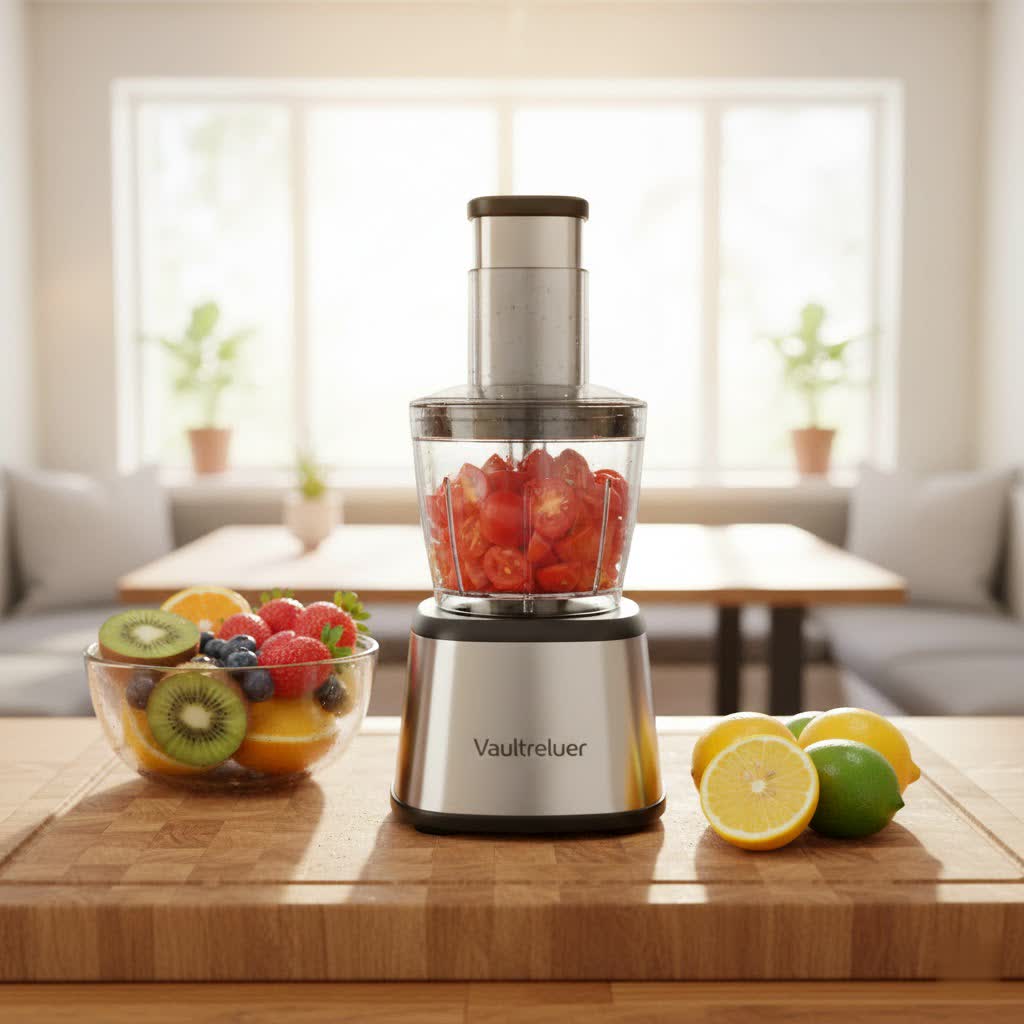
The Restaurant Vegetable Chopper: A Time-Saving Solution for Modern Kitchens
Restaurant vegetable choppers are specialized kitchen appliances designed to streamline the preparation of large volumes of vegetables and fruits. They are built to endure the demanding environment of a professional kitchen, transforming tedious manual tasks into quick, efficient processes. From bustling cafeterias to high-end dining establishments, these machines are indispensable for maintaining consistency and speed.
The benefits of using a commercial vegetable chopper far outweigh traditional hand-chopping methods. These powerful tools radically enhance efficiency by significantly cutting down prep time, allowing kitchen staff to focus on more complex culinary tasks. They guarantee product consistency, ensuring every diced onion or sliced tomato is identical, which is crucial for uniform cooking and appealing presentation. Furthermore, choppers contribute to a safer kitchen environment by minimizing the risk of knife-related injuries, and they can substantially reduce food waste caused by inconsistent knife skills.
Categorizing Popular Restaurant Vegetable Choppers
Commercial vegetable choppers come in various designs, each suited to different operational scales and needs. Understanding the distinctions between these types is key to making an informed decision for your restaurant.
Manual Restaurant Vegetable Choppers
|
Our Picks for the Best Vegetable Chopper in 2026
As an Amazon Associate I earn from qualifying purchases.
|
||
| Num | Product | Action |
|---|---|---|
| 1 | Simple Deluxe Food Processor, 450W Electric Food Chopper with 2 Bowls (8 Cup+8 Cup) & 2 Bi-Level Blades, Small Electric Meat Grinder Processor for Nuts, Fruits, Meat, Vegetable, Baby Food, Silver |

|
| 2 | Mueller Pro-Series All-in-One, 12 Blade Mandoline Slicer for Kitchen, Food Chopper, Vegetable Slicer and Spiralizer, Cutter, Dicer, Grater, Kitchen Gadgets Sets with Container, White Sand/Gray |
|
| 3 | Fullstar Mandoline Slicer for Kitchen - Vegetable Chopper, Onion Potato Food Veggie Fruit Slicer and Cutter with Container, Kitchen Gadgets & Gifts, Home Essentials (6-in-1, White/Black) |
|
| 4 | Semi-Automatic 12-Inch Commercial Electric Food Slicer - 370W Motor with Precision-Adjust Blade for Home & Kitchen Use Chromium Steel Construction |
|
| 5 | ONCE FOR ALL Safe Mandoline Slicer 5 in 1 Vegetable Chopper Food Potato Cutter, Strips Julienne Dicer Adjustable Thickness 0.1-8 mm Kitchen Chopping Artifact Fast Meal Prep (Gray) |
|
| 6 | Fullstar The Original Pro Chopper - Vegetable Chopper and Spiralizer, Food Chopper with Container, Fruit Slicer, Kitchen Gadgets & Gifts, Home Essentials (4 in 1, White) |
|
| 7 | OXO Good Grips Vegetable Chopper |
|
| 8 | Mueller Vegetable Chopper Mandoline Slicer, Food Veggie Chopper, Cheese Grater, Onion Vegetable Cutter with Container, Dicer, Kitchen Gadgets & Essentials, White Sand/Grey |
|
| 9 | Mueller The Real Original Pro Chopper since 2013 Vegetable Chopper Mandoline Slicer, 8 Blade Food Veggie Chopper Onion Vegetable Cutter with Container, Kitchen Gadgets & Essentials, (10 in 1) |
|
| 10 | Vegetable Chopper,12-in-1 Multifunctional Food Chopper,Professional Onion Chopper with 7 Blades,Vegetable Cutter with Container for Salad,Potato,Carrot,and Garlic; Essential Kitchen Tool(Grey) |
|
Manual vegetable choppers are hand-operated devices that typically use a lever or push-down mechanism to force produce through a blade grid. They are often favored for their simplicity, portability, and lower initial cost. These choppers require no electricity, making them versatile for any kitchen setup. They are ideal for small to medium batches of preparation or for specialized tasks where precise control is desired without the need for high-volume output. While they require some physical effort, modern designs offer good leverage and are surprisingly efficient for specific applications like dicing onions or slicing tomatoes.
Electric Restaurant Vegetable Choppers
Electric vegetable choppers, also known as commercial food processors with chopping capabilities, are powered by motors to deliver exceptional speed and efficiency. These machines are essential for high-volume operations, capable of processing large quantities of ingredients continuously. They often come with multiple blades and functions, offering versatility beyond simple chopping, such as slicing, shredding, and even pureeing. While they represent a higher initial investment and require a dedicated power source, electric choppers dramatically reduce labor time and effort, making them a cornerstone for busy kitchens in restaurants, hotels, and institutional food services.
Versatile & Specialty Restaurant Choppers
Beyond general-purpose manual and electric models, the market offers highly versatile and specialty choppers. Versatile choppers feature interchangeable blade systems, allowing a single machine to perform various cuts—dices, juliennes, wedges, and slices—simply by swapping out the grid. This adaptability makes them valuable for kitchens with diverse menus. Specialty choppers, on the other hand, are designed for specific ingredients or cuts, such as dedicated onion dicers, lettuce shredders, or French fry cutters. These single-purpose machines excel in high-volume situations for a particular item, ensuring maximum efficiency and consistency for that specific task.
Comparative Overview of Restaurant Vegetable Chopper Types
| Feature | Manual Vegetable Chopper | Electric Vegetable Chopper | Versatile & Specialty Chopper |
|---|---|---|---|
| Price | Lower | Higher | Mid to High |
| Power Source | Manual | Electric | Manual or Electric |
| Volume | Low to Medium | High to Very High | Medium to High |
| Versatility | Limited (often single cut) | High (multiple functions) | High (interchangeable blades) |
| Ease of Use | Simple, direct | Automated, push-button | Specific training for blades |
| Best For | Small businesses, specific tasks | Large restaurants, continuous prep | Diverse menus, specific high-volume items |
Key Considerations for Choosing the Right Restaurant Vegetable Chopper
Selecting the ideal vegetable chopper involves a thoughtful evaluation of your kitchen’s unique demands. A well-chosen machine can significantly impact your operational flow and food quality.
Assess Your Kitchen’s Needs
Before investing, meticulously analyze your daily operations. Consider the volume of vegetables you process—are you prepping for a small cafe or a large institutional kitchen? Identify the types of cuts you need most frequently: dicing for salads, slicing for stir-fries, or wedging for sides? Your menu is the ultimate guide. Furthermore, establish your budget, remembering that a higher initial investment often translates to greater efficiency, durability, and a faster return on investment through labor savings.
Select the Appropriate Chopper Type
Based on your assessed needs, choose the category that best fits. For kitchens with moderate prep volumes and a focus on specific, consistent cuts, a robust manual chopper with interchangeable blades might be sufficient. If your operation demands continuous, high-volume processing across a wide range of ingredients and cut styles, an electric model or a versatile commercial food processor is likely the superior choice. Specialized choppers are invaluable when one particular ingredient, like onions or lettuce, constitutes a significant portion of your prep work.
Material Quality and Durability
The harsh environment of a commercial kitchen requires equipment built to last. Prioritize choppers constructed from heavy-duty, food-safe materials such as high-grade stainless steel (e.g., 304 grade) and reinforced cast aluminum. The blades are the heart of the chopper, so ensure they are made from high-quality, sharpened stainless steel that resists corrosion and maintains an edge. Robust construction at stress points, like handles and hinges, is vital for longevity under constant use. Additionally, ease of cleaning and sanitation is critical; look for models with tool-free disassembly and dishwasher-safe components to meet stringent hygiene standards.
Brands and User Reviews
Reputable brands often signify quality and reliability. While specific product names are dynamic, researching well-regarded manufacturers in commercial kitchen equipment can provide a good starting point. Always consult user reviews and professional testimonials from other restaurant operators. These real-world insights can offer valuable perspectives on a chopper’s performance, durability, ease of maintenance, and overall value in a commercial setting. A strong reputation for customer support and readily available replacement parts is also a significant advantage.
> “A commercial vegetable chopper isn’t just about speed; it’s about consistency. Every dish, every plate, should reflect the same precise cut, and that’s where these machines truly shine.” – Chef Antoine Dubois, Head Chef at The Gilded Spoon
Top 5 Restaurant Vegetable Choppers Favored Today
In today’s competitive culinary landscape, several categories of restaurant vegetable choppers consistently earn high praise for their performance, reliability, and innovation.
- Heavy-Duty Manual Dicers: These workhorses are celebrated for their ability to deliver consistent, clean dices for high-volume ingredients like onions, tomatoes, and potatoes. Often featuring robust cast aluminum frames and razor-sharp stainless steel blade grids, they are a staple in many kitchens for their reliability and ease of use, making quick work of repetitive dicing tasks.
- Versatile Electric Food Processors with Chopping Attachments: These multi-functional units offer unparalleled flexibility, combining powerful motors with a wide array of interchangeable blades for slicing, shredding, dicing, and even pureeing. They are perfect for kitchens that require diverse preparation capabilities from a single machine, adapting to various menu items with speed and precision.
- Dedicated Commercial French Fry Cutters: For establishments that serve high volumes of fries, these specialized manual or electric choppers are invaluable. They quickly transform whole potatoes into uniform sticks, saving significant labor and ensuring consistent cooking results, which is essential for quality control.
- Specialty Lettuce Shredders/Choppers: Salads and wraps are menu mainstays, and a dedicated lettuce chopper or shredder ensures fresh, evenly cut greens. These machines are designed to handle delicate produce without bruising, delivering consistent texture and presentation that elevates everyday offerings.
- Compact, Countertop Electric Choppers: Ideal for smaller restaurants or specific prep stations, these choppers offer the power of electric processing in a more space-efficient design. They are favored for their ability to rapidly chop smaller quantities of ingredients like herbs, garlic, or nuts, providing quick bursts of efficiency without occupying extensive counter space.
Maximizing Performance and Longevity: Tips for Your Restaurant Vegetable Chopper
To get the most out of your restaurant vegetable chopper and ensure its longevity, proper usage and diligent maintenance are key.
Always prepare your vegetables by trimming them to a size that fits comfortably within the chopper’s chute or grid. For manual choppers, apply firm, even pressure to ensure a clean cut, avoiding twisting motions that can damage blades. For electric models, avoid overloading the hopper, which can strain the motor and lead to inconsistent results. Regularly inspect blades for sharpness and replace them when they show signs of dullness or damage, as dull blades require more force and can bruise produce.
Maintaining your chopper is crucial for hygiene and performance. After each use, disassemble the chopper according to the manufacturer’s instructions—many models feature tool-free disassembly. Wash all components thoroughly with hot, soapy water, or if specified, place dishwasher-safe parts in your commercial dishwasher. Pay close attention to cleaning the blade grids, using a brush if necessary to remove any stuck-on food particles. Ensure all parts are completely dry before reassembling to prevent corrosion, especially on stainless steel blades. Regular lubrication of moving parts (if applicable) and storing the chopper in a clean, dry area will also extend its lifespan.
Conclusion
Investing in a high-quality restaurant vegetable chopper is a decision that pays dividends in efficiency, consistency, and overall kitchen productivity. By carefully considering your specific needs, understanding the different types of choppers available, and prioritizing durability and ease of maintenance, you can select a tool that truly elevates your food preparation process. These machines are more than just cutters; they are catalysts for streamlined operations, reduced labor costs, and a consistently excellent culinary output that keeps customers coming back. Are you ready to transform your restaurant’s kitchen efficiency?
Frequently Asked Questions
What makes a commercial vegetable chopper different from a home one?
Commercial vegetable choppers are built for durability, high-volume processing, and continuous use in demanding professional environments. They feature more robust construction, stronger motors (for electric models), sharper blades, and often larger capacities, designed to withstand the rigorous demands of restaurant kitchens, unlike their consumer-grade counterparts.
Can restaurant vegetable choppers handle all types of produce?
Most commercial choppers are designed for a wide range of common vegetables and fruits like onions, potatoes, tomatoes, peppers, and carrots. However, very hard items or those with irregular shapes might require pre-cutting or might not be suitable for all models. Always check the manufacturer’s guidelines for specific produce compatibility.
How often should blades be sharpened or replaced?
The frequency of blade sharpening or replacement depends on usage volume and the types of vegetables processed. In a busy restaurant, blades should be inspected regularly, perhaps weekly, and sharpened or replaced at the first sign of dullness to maintain optimal cutting performance and prevent damage to the machine or ingredients.
Are electric vegetable choppers hard to clean?
While electric choppers might have more components than manual ones, many commercial models are designed for easy disassembly and cleaning. Look for features like removable, dishwasher-safe parts and smooth surfaces to ensure quick and hygienic cleaning, which is essential for maintaining food safety standards in a restaurant.
