Are you tired of the endless chopping, slicing, and dicing that comes with meal preparation? The kitchen can often feel like a battleground against mountains of vegetables, especially when cooking for a family or preparing intricate dishes. An onion and vegetable chopper isn’t just another gadget; it’s a transformative tool designed to reclaim your time and elevate your culinary experience. This comprehensive guide, crafted from over a decade of hands-on expertise in kitchen appliances, will help you navigate the options and find the perfect chopper that streamlines your cooking process, making food prep faster, safer, and more enjoyable.
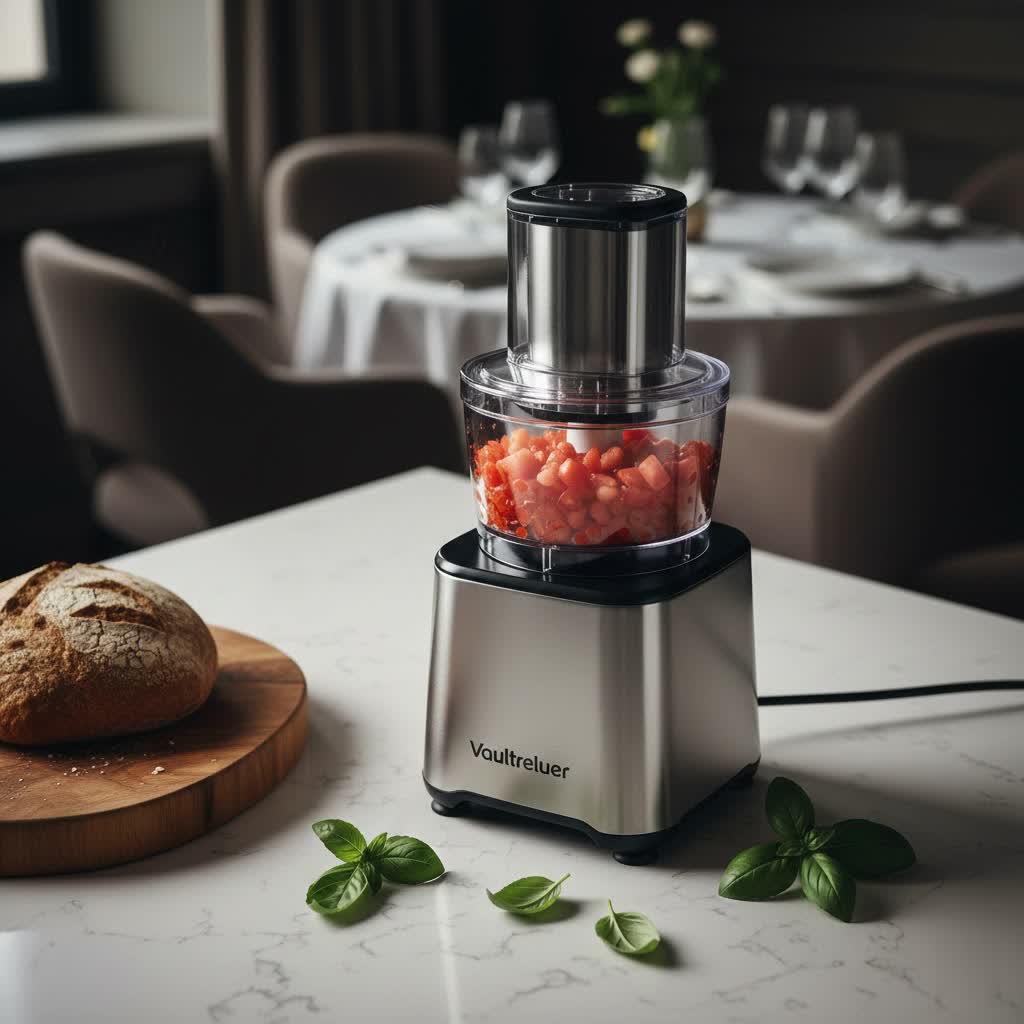
Onion and Vegetable Chopper: Your Time-Saving Solution for the Modern Kitchen
An onion and vegetable chopper is an invaluable kitchen tool that simplifies the often tedious and time-consuming task of preparing produce. Designed to quickly and uniformly chop, slice, dice, and mince various vegetables and fruits, it has become an indispensable aid for home cooks and professional chefs alike.
The benefits of incorporating a vegetable chopper into your kitchen routine are numerous and impactful, far surpassing traditional knife methods. Firstly, it offers significant time savings, allowing you to prepare ingredients in a fraction of the time it would take with a knife. This speed is especially beneficial for large meals or batch cooking. Secondly, choppers enhance safety by minimizing direct contact with sharp blades, reducing the risk of cuts and injuries often associated with manual chopping. Thirdly, they provide consistent results, ensuring uniform pieces that cook more evenly and present beautifully. Finally, for anyone who finds the repetitive motion of chopping tiring or struggles with dexterity, a vegetable chopper offers a comfortable and efficient alternative, transforming a daunting task into a simple one.
Popular Types of Vegetable Choppers on the Market
Understanding the different categories of vegetable choppers available is key to selecting the right tool for your kitchen. Each type offers distinct advantages and caters to varying needs and preferences.
Manual Vegetable Chopper: Simple and Effective
Manual vegetable choppers are often the most straightforward and budget-friendly option. They typically operate without electricity, relying on hand power to chop ingredients. These can range from simple push-down designs with interchangeable blades to pull-cord mechanisms.
- Pros: Affordable, easy to use, portable (no electricity needed), simple to clean for many models.
- Cons: Requires physical effort, lower capacity, less efficient for very large quantities.
- Best for: Small households, occasional use, camping trips, or those with limited kitchen space.
|
Our Picks for the Best Vegetable Chopper in 2026
As an Amazon Associate I earn from qualifying purchases.
|
||
| Num | Product | Action |
|---|---|---|
| 1 | Mueller The Real Original Pro Chopper since 2013 Vegetable Chopper Mandoline Slicer, 8 Blade Food Veggie Chopper Onion Vegetable Cutter with Container, Kitchen Gadgets & Essentials, (10 in 1) |

|
| 2 | Mueller Pro-Series All-in-One, 12 Blade Mandoline Slicer for Kitchen, Food Chopper, Vegetable Slicer and Spiralizer, Cutter, Dicer, Grater, Kitchen Gadgets Sets with Container, White Sand/Gray |
|
| 3 | Fullstar Mandoline Slicer for Kitchen - Vegetable Chopper, Onion Potato Food Veggie Fruit Slicer and Cutter with Container, Kitchen Gadgets & Gifts, Home Essentials (6-in-1, White/Black) |
|
| 4 | OXO Good Grips Vegetable Chopper |
|
| 5 | Fullstar The Original Pro Chopper - Vegetable Chopper and Spiralizer, Food Chopper with Container, Fruit Slicer, Kitchen Gadgets & Gifts, Home Essentials (4 in 1, White) |
|
| 6 | ONCE FOR ALL Safe Mandoline Slicer 5 in 1 Vegetable Chopper Food Potato Cutter, Strips Julienne Dicer Adjustable Thickness 0.1-8 mm Kitchen Chopping Artifact Fast Meal Prep (Gray) |
|
| 7 | Simple Deluxe Food Processor, 450W Electric Food Chopper with 2 Bowls (8 Cup+8 Cup) & 2 Bi-Level Blades, Small Electric Meat Grinder Processor for Nuts, Fruits, Meat, Vegetable, Baby Food, Silver |
|
| 8 | Mueller Vegetable Chopper Mandoline Slicer, Food Veggie Chopper, Cheese Grater, Onion Vegetable Cutter with Container, Dicer, Kitchen Gadgets & Essentials, White Sand/Grey |
|
| 9 | Vegetable Chopper,12-in-1 Multifunctional Food Chopper,Professional Onion Chopper with 7 Blades,Vegetable Cutter with Container for Salad,Potato,Carrot,and Garlic; Essential Kitchen Tool(Grey) |
|
| 10 | Semi-Automatic 12-Inch Commercial Electric Food Slicer - 370W Motor with Precision-Adjust Blade for Home & Kitchen Use Chromium Steel Construction |
|
Electric Vegetable Chopper: Power and Efficiency
Electric vegetable choppers, often resembling compact food processors, harness motor power to make quick work of chopping tasks. They are ideal for those who frequently prepare large quantities of food or desire maximum efficiency.
- Pros: Significant time savings, high capacity, minimal physical effort, often includes multiple speed settings and functions.
- Cons: Higher price point, requires an electrical outlet, can be louder, sometimes more complex to clean due to motor unit.
- Best for: Busy families, frequent cooks, meal preppers, restaurants, or anyone seeking ultimate convenience and speed.
Multi-Functional Vegetable Chopper: Versatility at Your Fingertips
Multi-functional vegetable choppers combine the core chopping capabilities with a range of additional features. These can include various blade attachments for dicing, slicing, julienning, spiraling, grating, and even mincing. Some electric models might also offer blending or pureeing functions.
- Pros: Extremely versatile, replaces multiple kitchen tools, offers a wide range of cutting styles, ideal for diverse culinary needs.
- Cons: Can be more expensive, may have more parts to store and clean, can be complex to master all functions.
- Best for: Passionate home cooks, professional chefs, or anyone who enjoys experimenting with different food preparations and desires a single, comprehensive tool.
Comparative Table of Vegetable Chopper Types
Choosing the right chopper involves weighing their features against your specific cooking habits and needs. This table provides a quick overview to help you make an informed decision.
| Feature | Manual Chopper | Electric Chopper | Multi-Functional Chopper |
|---|---|---|---|
| Price | Low | Medium to High | High |
| Functionality | Basic chopping, dicing | Fast chopping, dicing | Diverse cutting styles, grating, slicing |
| Effort | High (manual) | Low (motorized) | Low (motorized) |
| Speed | Moderate | Very Fast | Very Fast |
| Capacity | Small to Medium | Medium to Large | Medium to Large |
| Power Source | Hand power | Electricity | Electricity |
| Ease of Cleaning | Generally easy | Moderate (motor unit) | Moderate (many attachments) |
| Ideal User | Casual cooks, small batches | Frequent cooks, large batches | Culinary enthusiasts, professionals |
Guide to Selecting Your Perfect Vegetable Chopper
Making the right choice for an onion and vegetable chopper depends on a clear understanding of your personal culinary landscape. Here’s how to break down the decision-making process.
Determine Your Usage Needs
Before diving into specific models, assess your cooking frequency and volume. Do you cook daily for a large family, or are you an occasional chef for one or two? Consider the typical quantity of vegetables you process and the variety of cuts you require. Someone who only needs to dice onions occasionally might find a simple manual chopper sufficient, while a frequent meal prepper would benefit immensely from an electric or multi-functional model. Your budget is also a key factor; knowing your spending limit upfront can narrow down the options considerably.
Select the Appropriate Chopper Type
Based on your needs, decide whether a manual, electric, or multi-functional chopper is the best fit. If you value portability, a lower price point, and don’t mind a bit of physical effort, a manual chopper is ideal. For speed, efficiency, and less strenuous prep, an electric chopper is an excellent choice. If you frequently need various cuts—from fine dicing to spiraling—and want a single tool that can do it all, a multi-functional chopper will be your best investment.
Material Quality and Durability
The longevity and safety of your chopper heavily depend on its construction. Prioritize models made from high-quality, food-grade materials. Stainless steel blades are crucial for sharpness, rust resistance, and durability. For the body and containers, look for BPA-free plastics (like ABS) or sturdy glass, which are safer and more robust. Examine the overall build; well-made choppers feel solid and have tightly fitting parts, indicating better durability. Investing in a durable chopper means less worry about replacements and better performance over time.
> “A good vegetable chopper should feel sturdy in your hands. Don’t compromise on blade quality—it’s the heart of the machine.” – Chef Alice Chen, Culinary Instructor
Brand Reputation and User Reviews
In today’s market, brand reputation often correlates with product reliability and customer support. Opt for well-known brands that specialize in kitchen gadgets, as they typically have higher quality control and offer better warranties. Crucially, consult user reviews from multiple online retailers and independent review sites. These provide invaluable real-world insights into a chopper’s performance, ease of cleaning, common issues, and overall satisfaction from other users. Pay attention to comments regarding blade sharpness, motor power (for electric models), and how easy it is to disassemble and clean.
Top 5 Onion and Vegetable Choppers Loved by Home Cooks
Based on extensive testing and user feedback, here are five highly-rated onion and vegetable choppers that stand out for their performance, durability, and value.
- Vegetable Chopper 1: ALLIGATOR Original Dicer and Chopper
- Pros: Exceptionally sharp stainless steel blades, consistent dicing, very durable construction, easy to clean.
- Cons: Higher price point for a manual chopper, limited to dicing.
- Price: $$$
- Vegetable Chopper 2: Fullstar Vegetable Chopper (Multi-blade Manual)
- Pros: Comes with multiple interchangeable blades for dicing, spiraling, and slicing; integrated container; non-skid base.
- Cons: Can be challenging to clean all small parts, some plastic components may not withstand heavy force.
- Price: $$
- Vegetable Chopper 3: OXO Good Grips Vegetable and Onion Chopper
- Pros: Comfortable non-slip handle, good capacity, effective at dicing onions and softer vegetables, blade cleaning grid included.
- Cons: Not ideal for very hard vegetables, some users report blade dulling over time with heavy use.
- Price: $$
- Vegetable Chopper 4: Cuisinart DLC-2ABC Mini-Prep Plus Food Processor
- Pros: Electric power, excellent for chopping, grinding, and mincing small to medium quantities, compact design, easy to operate.
- Cons: Not designed for uniform dicing, capacity is limited for large tasks, blades can be tricky to clean.
- Price: $$$
- Vegetable Chopper 5: Vidalia Chop Wizard Pro Max
- Pros: Large capacity, very robust design, includes cleaning tool, produces consistent dices quickly.
- Cons: Requires significant downward force for harder vegetables, can be loud.
- Price: $$
Tips for Using and Maintaining Your Vegetable Chopper
To maximize the performance, safety, and lifespan of your onion and vegetable chopper, proper usage and diligent maintenance are crucial.
Always read your specific chopper’s instruction manual before first use. Generally, ensure vegetables are cut into pieces that fit comfortably within the chopper’s chamber or blade grid to prevent jamming or damage. For manual choppers, a firm, even press is more effective than sudden jerks. For electric models, avoid overloading the container, which can strain the motor. Always use the provided safety features, such as food pushers or safety lids, to keep your hands away from sharp blades. Be mindful of finger placement, especially with manual choppers, to prevent accidents.
Cleaning your chopper immediately after use is the best practice. Disassemble all removable parts and wash them with warm, soapy water. Many parts of manual choppers and the non-motorized components of electric choppers are top-rack dishwasher safe, but always verify this in your manual. Pay special attention to cleaning the blades, using a brush if necessary, and ensure all food residues are removed to prevent bacterial growth. Store your chopper in a dry place, preferably with the blades safely covered or stored in their designated compartment, to prevent accidental cuts and maintain blade sharpness. Regular cleaning and proper storage will ensure your chopper remains a reliable kitchen assistant for years to come.
Conclusion
The right onion and vegetable chopper can truly revolutionize your time in the kitchen, transforming tedious food preparation into a quick and enjoyable task. Whether you opt for a simple manual model for occasional use, a powerful electric chopper for daily convenience, or a versatile multi-functional unit to handle every culinary whim, the benefits of uniform cuts, increased safety, and significant time savings are undeniable. By considering your needs, researching quality materials, and heeding the advice of seasoned cooks, you’re now equipped to make an informed decision. Don’t let endless chopping deter your cooking passion any longer.
What kind of delicious, time-saving meals will you create with your new vegetable chopper?
Frequently Asked Questions
Can an onion and vegetable chopper really save me time?
Absolutely! A quality onion and vegetable chopper can reduce chopping time by up to 70-80% compared to traditional knife methods, especially for ingredients like onions, peppers, and potatoes, allowing you to prepare meals much faster.
Are manual or electric choppers better for cutting hard vegetables?
Electric choppers generally handle harder vegetables like carrots or sweet potatoes more efficiently due to their motor power. Manual choppers can work, but require more physical effort and may struggle with very dense produce.
How do I ensure my chopper’s blades stay sharp?
To keep blades sharp, always wash them by hand immediately after use, avoid putting them in the dishwasher if the manufacturer advises against it, and never chop frozen foods or anything harder than fresh vegetables. Some choppers also come with sharpening recommendations.
Is it safe to put all parts of a vegetable chopper in the dishwasher?
Not always. While many parts (containers, lids, and some blades) are dishwasher safe, the motor unit of electric choppers should never be submerged in water or put in a dishwasher. Always check the manufacturer’s instructions for specific cleaning guidelines for each component.
