Are you tired of endless chopping, uneven slices, and the time-consuming drudgery of meal preparation? In a bustling kitchen, efficiency is paramount, and a reliable vegetable chopper can revolutionize your cooking experience. This ingenious kitchen gadget is designed to simplify the often tedious task of preparing fresh ingredients, saving you precious time and ensuring consistently perfect cuts every time.
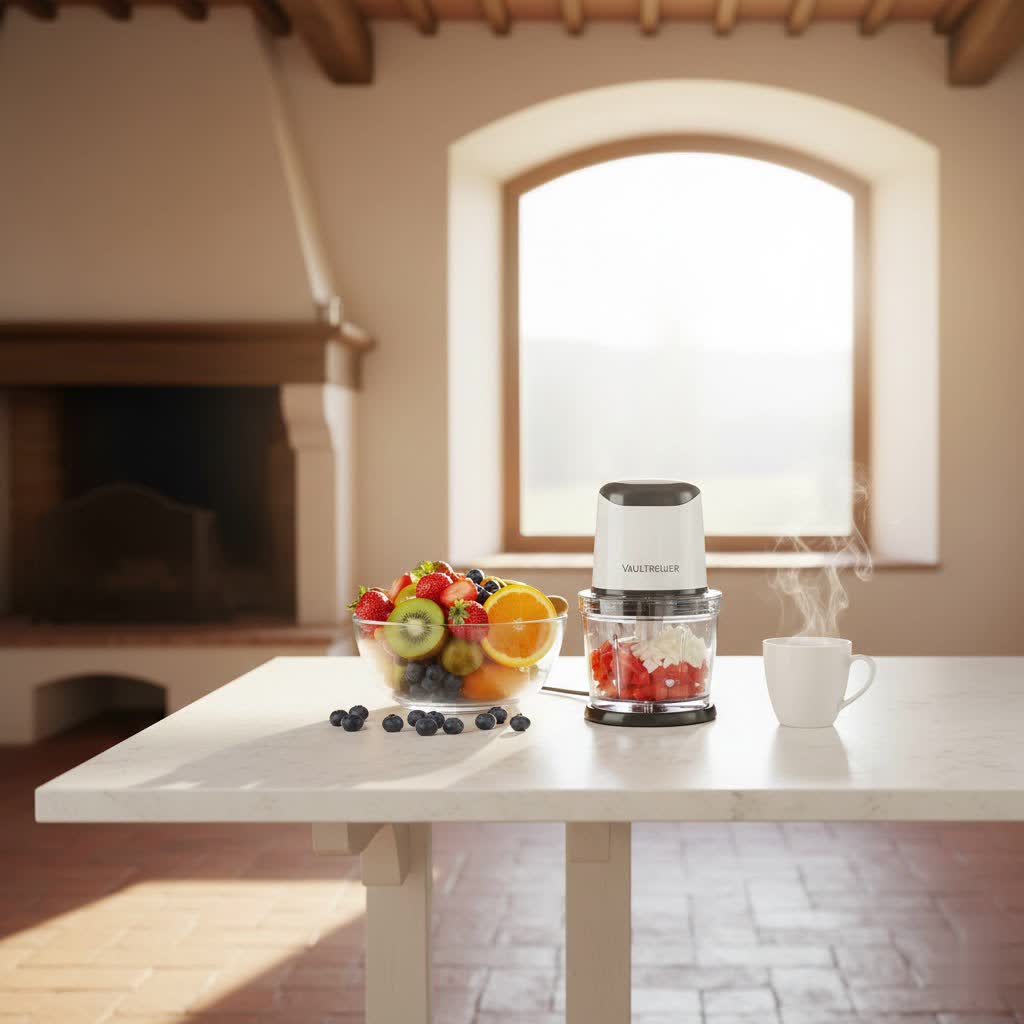
Vegetable Choppers: The Time-Saving Solution for Modern Kitchens
A vegetable chopper is more than just a convenience; it’s an essential tool for streamlining your culinary workflow. Imagine effortlessly dicing onions without tears, uniformly slicing peppers, or quickly mincing garlic in a fraction of the time it would take with a knife. These devices significantly reduce prep time, allowing you to focus on the joy of cooking rather than the labor.
Beyond speed, vegetable choppers offer unparalleled consistency. Whether you’re aiming for perfectly diced vegetables for a stir-fry, finely shredded cabbage for a slaw, or uniform julienne strips for a vibrant salad, a good chopper delivers precise results that enhance both the presentation and even cooking of your dishes. They also bolster kitchen safety by minimizing direct contact with sharp blades, a welcome relief for anyone prone to nicks and cuts. Many models come equipped with multiple interchangeable blades, transforming a single appliance into a versatile powerhouse capable of dicing, slicing, julienning, grating, and even spiralizing. This multifunctionality encourages healthier eating by making it easier and quicker to incorporate a diverse array of fresh vegetables into your daily meals.
Popular Types of Vegetable Choppers on the Market
The world of vegetable choppers is diverse, with various designs tailored to different needs and preferences. Understanding these classifications is key to finding your perfect kitchen companion.
Manual Vegetable Choppers
Manual vegetable choppers are the entry point for many into the world of quick prep. These are typically hand-operated, relying on your effort to press down or pull a cord to activate the blades.
- Pros: They are generally more affordable and highly portable, requiring no electricity, making them ideal for outdoor cooking or smaller kitchens. Most are straightforward to use for smaller quantities and often easier to clean due to fewer electronic components.
- Cons: Manual choppers demand physical effort, which can be taxing for large batches or harder vegetables. Depending on the model, achieving perfectly uniform cuts might require some practice or pre-cutting.
- Suitable for: Small families, occasional use, camping trips, or those who prefer a hands-on approach to their cooking.
Manual choppers often come in two main styles:
- Push Choppers: These use a plunger or hinge mechanism to force vegetables through a grid-style blade. They are excellent for dicing larger ingredients like onions and peppers into consistent cubes.
- Pull-Cord Choppers: These feature rotating S-shaped blades activated by pulling a string. The number of pulls allows you to control the fineness of the chop, making them perfect for mincing garlic, herbs, or chopping softer vegetables for salsas and purees.
|
Our Picks for the Best Vegetable Chopper in 2026
As an Amazon Associate I earn from qualifying purchases.
|
||
| Num | Product | Action |
|---|---|---|
| 1 | Mueller The Real Original Pro Chopper since 2013 Vegetable Chopper Mandoline Slicer, 8 Blade Food Veggie Chopper Onion Vegetable Cutter with Container, Kitchen Gadgets & Essentials, (10 in 1) |

|
| 2 | Semi-Automatic 12-Inch Commercial Electric Food Slicer - 370W Motor with Precision-Adjust Blade for Home & Kitchen Use Chromium Steel Construction |
|
| 3 | ONCE FOR ALL Safe Mandoline Slicer 5 in 1 Vegetable Chopper Food Potato Cutter, Strips Julienne Dicer Adjustable Thickness 0.1-8 mm Kitchen Chopping Artifact Fast Meal Prep (Gray) |
|
| 4 | Mueller Vegetable Chopper Mandoline Slicer, Food Veggie Chopper, Cheese Grater, Onion Vegetable Cutter with Container, Dicer, Kitchen Gadgets & Essentials, White Sand/Grey |
|
| 5 | Fullstar The Original Pro Chopper - Vegetable Chopper and Spiralizer, Food Chopper with Container, Fruit Slicer, Kitchen Gadgets & Gifts, Home Essentials (4 in 1, White) |
|
| 6 | Vegetable Chopper,12-in-1 Multifunctional Food Chopper,Professional Onion Chopper with 7 Blades,Vegetable Cutter with Container for Salad,Potato,Carrot,and Garlic; Essential Kitchen Tool(Grey) |
|
| 7 | Mueller Pro-Series All-in-One, 12 Blade Mandoline Slicer for Kitchen, Food Chopper, Vegetable Slicer and Spiralizer, Cutter, Dicer, Grater, Kitchen Gadgets Sets with Container, White Sand/Gray |
|
| 8 | OXO Good Grips Vegetable Chopper |
|
| 9 | Simple Deluxe Food Processor, 450W Electric Food Chopper with 2 Bowls (8 Cup+8 Cup) & 2 Bi-Level Blades, Small Electric Meat Grinder Processor for Nuts, Fruits, Meat, Vegetable, Baby Food, Silver |
|
| 10 | Fullstar Mandoline Slicer for Kitchen - Vegetable Chopper, Onion Potato Food Veggie Fruit Slicer and Cutter with Container, Kitchen Gadgets & Gifts, Home Essentials (6-in-1, White/Black) |
|
Electric Vegetable Choppers
Stepping up in power and convenience, electric vegetable choppers automate the chopping process with a motor. These often resemble mini food processors.
- Pros: Electric choppers are significantly faster and require minimal effort, easily handling larger quantities and tougher vegetables like carrots or potatoes. They are highly versatile, capable of chopping, mincing, pureeing, and even grating.
- Cons: They tend to be more expensive and require an electrical outlet, limiting their portability. Their larger footprint might also be a concern for kitchens with limited counter space. While efficient, some models may offer less precise control over the exact size of the cuts compared to certain manual choppers.
- Suitable for: Larger households, frequent batch cooking, preparing dips and purees, or individuals with limited hand strength.
Multi-functional Vegetable Choppers
These choppers combine the best of both worlds, often manual in operation but equipped with an extensive array of interchangeable blades.
- Pros: Multi-functional choppers are incredibly versatile, offering a wide range of cutting options including different dice sizes, slices, julienne, grating, spiralizing, and ribbon cuts. They can save significant kitchen space by consolidating multiple tools into one.
- Cons: The sheer number of parts can make assembly and disassembly more complex, and cleaning can be more tedious due to many nooks and crannies. Storing all the various blades also requires careful organization.
- Suitable for: Enthusiastic home cooks who enjoy diverse culinary projects, or even professional chefs looking for a compact, all-in-one solution for varied prep needs.
Comparison Table: Manual vs. Electric vs. Multi-functional Vegetable Choppers
Choosing the right chopper often comes down to balancing cost, features, and your specific cooking style. Here’s a quick comparison to help you weigh your options:
| Feature | Manual Vegetable Chopper | Electric Vegetable Chopper | Multi-functional Chopper |
|---|---|---|---|
| Price | Lower | Higher | Mid to High |
| Functionality | Basic chopping, some dicing | Chopping, mincing, pureeing, grating | Dicing, slicing, julienning, grating, spiralizing, ribbon cuts |
| Ease of Use | Simple, hands-on | Effortless, quick | Can be complex due to many blades |
| Power Source | Manual | Electricity | Manual (typically) |
| Portability | High (no cord needed) | Low (needs electrical outlet) | High (if manual operation) |
| Capacity | Small to Medium | Medium to Large | Medium to Large |
| Cleaning | Generally easy, some tight spots | Parts dishwasher-safe, motor base wipe-clean | Multiple parts, can be tricky to clean manually |
| Best For | Small tasks, camping, budget-conscious cooks | Large batches, purées, harder vegetables, quick prep | Versatile cutting needs, varied meal preparation, space saving |
Your Ultimate Guide to Choosing the Right Vegetable Chopper
Selecting the perfect vegetable chopper involves a thoughtful evaluation of your individual cooking habits and kitchen needs. Consider these factors to make an informed decision:
Assess Your Cooking Needs
Before you begin shopping, take a moment to reflect on how you cook. How frequently do you prepare meals, and for how many people? Do you typically cook for single servings or engage in large-batch meal prep? What specific types of cuts are most important to you—simple dicing, fine mincing, precise slicing, or specialized julienning and spiralizing? Your answers will help determine the necessary capacity and functionality of your ideal chopper. Don’t forget to establish a realistic budget, as prices can vary significantly between manual and electric, basic and multi-functional models.
Select the Appropriate Type
Based on your needs, choose the chopper type that aligns best with your lifestyle. A manual model offers simplicity, portability, and is budget-friendly, ideal for occasional use or smaller quantities. An electric chopper is a time-saver for those who prioritize speed, power, and large volumes, perfect for family meals or making dips and purees. For the culinary enthusiast who desires a wide range of cutting options and values versatility above all else, a multi-functional chopper with numerous interchangeable blades will be the best fit.
Material Quality and Durability
The longevity and performance of your vegetable chopper hinge largely on its construction materials.
- Blades: Always opt for sharp, surgical-grade stainless steel blades, which retain their edge longer and resist rust and corrosion. Avoid models with flimsy plastic or lower-grade metal blades that can dull quickly, especially when processing firm vegetables.
- Body: Ensure that any plastic components that come into contact with food are BPA-free for health safety.
- Stability: A non-slip base, typically made of rubber or silicone feet, is crucial to keep the chopper securely in place on your countertop during use, preventing accidents.
Prioritize Safety Features
Given the sharp blades involved, safety is paramount. Look for choppers that incorporate features designed to protect your hands and ensure stable operation. This includes a non-slip base to prevent sliding, a secure lid-locking mechanism to prevent accidental activation, and blade guards, particularly for models with mandoline-style attachments. Many versatile choppers also come with finger guards or even cut-resistant gloves as added safety measures.
Ease of Cleaning and Storage
A convenient chopper shouldn’t be a nightmare to clean. Prioritize models with parts that are easy to disassemble and reassemble. Many components, such as blades and collection bowls, are often dishwasher-safe (typically on the top rack), but always consult the manufacturer’s instructions for specific parts like lids, which may require hand-washing to prevent damage. The inclusion of dedicated cleaning tools, such as brushes or scrapers, can be a huge bonus for dislodging stubborn food bits from tight crevices. Finally, consider how easily the chopper and all its accessories can be stored, especially if kitchen space is at a premium.
Top Vegetable Chopper Recommendations for 2024
Based on performance, versatility, and user reviews, here are some top vegetable chopper models worth considering:
- Zyliss Easy Pull Food Processor: This compact manual pull-cord chopper is a favorite for its ease of use, cleaning, and storage. It excels at quickly chopping onions, garlic, potatoes, and peppers, allowing you to control the chop size by how many times you pull the cord. While it may not be as versatile as choppers with multiple interchangeable blades, its efficiency for everyday chopping tasks makes it a highly recommended tool.
- Cuisinart Mini-Prep Plus Food Processor: For those leaning towards an electric option, this mini food processor offers a powerful 240-watt motor that makes quick work of chopping herbs, onions, and peppers, and can even grate hard cheeses. Its bowl, lid, and S-blade are dishwasher-safe for convenient cleanup. While it might offer less precision for uniform dicing, it’s a lifesaver for rapid mincing, chopping, and pureeing tasks.
- Mueller Pro-Series 10-in-1 Vegetable Chopper: This manual push-style chopper is a champion of versatility, boasting eight interchangeable blades for various dicing sizes, slicing, julienning, and grating. It requires minimal pressure to operate and includes a cleaning fork to help remove stuck food. Its robust design and wide range of functions make it an incredibly versatile and affordable all-in-one kitchen tool.
- Fullstar Vegetable Chopper: Another highly versatile manual option, the Fullstar chopper comes with four interchangeable blades for small/large dicing, spiralizing, and ribbon cuts. It features a non-slip base, a soft-grip handle, and a safety lock, along with cleaning tools and a finger guard. While some users note food can stick to the blades and firmer vegetables may require more effort, its spiralizing and ribbon blades add significant functionality.
Tips for Using and Maintaining Your Vegetable Chopper
To maximize the performance and lifespan of your vegetable chopper, proper usage and diligent maintenance are key.
Usage Tips
- Pre-cut for Perfection: Always cut larger vegetables into smaller, more manageable, and evenly sized chunks before placing them in the chopper. This ensures uniform results and prevents the chopper from getting jammed or strained.
- Avoid Overloading: Do not overfill the chopper’s container. Overloading can reduce efficiency, lead to uneven cuts, and potentially damage the blades or motor. Work in batches if you have a large quantity of ingredients.
- Match the Blade to the Cut: Utilize the specific blades designed for your desired cut. Using the correct blade for dicing, slicing, or grating will yield the best and most consistent results.
- Consistent Pressure: For manual push-style choppers, apply firm and consistent pressure for a clean cut. For pull-cord models, a steady, controlled pull is more effective than aggressive yanking.
Maintenance & Cleaning Tips
- Clean Immediately: The golden rule for any kitchen tool with blades is to clean it immediately after use. This prevents food residue from drying and hardening in crevices, making cleanup much easier and preventing potential rust or staining on the blades.
- Disassemble Thoroughly: Always unplug electric choppers before cleaning. Disassemble all detachable parts—blades, bowls, lids, and any other attachments.
- Wash with Care: Wash blades and bowls with warm, soapy water, rinsing thoroughly to remove all food particles and soap residue.
- Dishwasher Safety: For dishwasher-safe components, place them on the top rack to avoid heat damage. Always check your manufacturer’s instructions, as some lids or delicate plastic parts may warp in a dishwasher.
- Motor Base Care: For electric choppers, never immerse the motor base in water. Wipe it clean with a damp cloth and then dry thoroughly.
- Utilize Cleaning Tools: Many choppers come with small cleaning brushes or scrapers. These are invaluable for reaching into tight spots and dislodging food bits from between the blades or grid.
- Dry Completely: Ensure all parts are completely dry before reassembling and storing. Moisture can lead to mold growth or rust, especially on stainless steel blades.
- Protect Blades: Avoid using your chopper for frozen foods, bones, large seeds, or fruit pits. These can dull or chip the blades. If you have particularly tough vegetables, pre-cutting them into smaller pieces can help reduce strain.
- Proper Storage: Store your chopper and all its accessories in a cool, dry place. Neatly wrap any cords to prevent damage.
Conclusion
A high-quality vegetable chopper is a game-changer in any kitchen, transforming tedious prep work into an effortless task. By offering unparalleled efficiency, consistent results, and enhanced safety, these versatile tools empower you to embrace healthier cooking and culinary creativity. Whether you opt for the simplicity of a manual model, the power of an electric unit, or the comprehensive functionality of a multi-blade system, choosing the right vegetable chopper for your specific needs will undoubtedly elevate your home cooking.
Ready to reclaim your time and enjoy perfectly prepped ingredients? Invest in a quality vegetable chopper today and experience the difference it makes in your kitchen! What culinary creation will you tackle first with your new chopping prowess?
Frequently Asked Questions
Do I need a vegetable chopper?
While not as essential as a chef’s knife, a vegetable chopper is an incredibly handy tool, especially if you want to significantly reduce meal prep time and achieve consistent, uniform cuts for ingredients like onions, peppers, and carrots. It’s a convenient time-saver that can make cooking more enjoyable.
What can I use a vegetable chopper for?
Vegetable choppers are primarily used to chop, dice, and mince a variety of vegetables such as onions, potatoes, carrots, and peppers. Depending on the model and its included blades, you can also use them for fruits, herbs, nuts, and garlic, making them a versatile addition to your kitchen arsenal.
What’s the difference between a food processor and a vegetable chopper?
Food processors are generally larger, more powerful, and offer a wider range of functions beyond just chopping, including slicing, shredding, pureeing, kneading dough, and more. Vegetable choppers are typically smaller, designed specifically for quickly prepping individual ingredients into consistent pieces, often with fewer blades and settings than a full-sized food processor.
Can vegetable choppers handle hard vegetables like carrots and potatoes?
Yes, most high-quality vegetable choppers with sharp stainless steel blades can handle harder vegetables like carrots and potatoes. However, manual choppers may require more physical effort, and it’s often recommended to cut very hard vegetables into smaller, more manageable pieces before chopping to ensure optimal performance and prevent damage to the blades.
Are vegetable choppers dishwasher-safe?
Many parts of vegetable choppers, such as the collection bowls and blades, are often dishwasher-safe (usually on the top rack). However, it’s crucial to always check the manufacturer’s instructions for specific cleaning guidelines, as some lids or electric motor bases may require hand-washing to prevent damage.
