In the fast-paced world of commercial kitchens, time is money, and efficiency is paramount. Every second saved on food preparation contributes to smoother operations, faster service, and ultimately, a more profitable business. Manual chopping of vegetables, while traditional, is often a bottleneck, consuming valuable labor hours and leading to inconsistent results. This is where the commercial vegetable chopper steps in as an indispensable tool, transforming mundane prep tasks into quick, precise, and consistent processes. If you’re looking to streamline your kitchen’s workflow, reduce labor costs, and elevate the quality of your dishes, understanding the capabilities and choosing the right commercial vegetable chopper is your first crucial step.
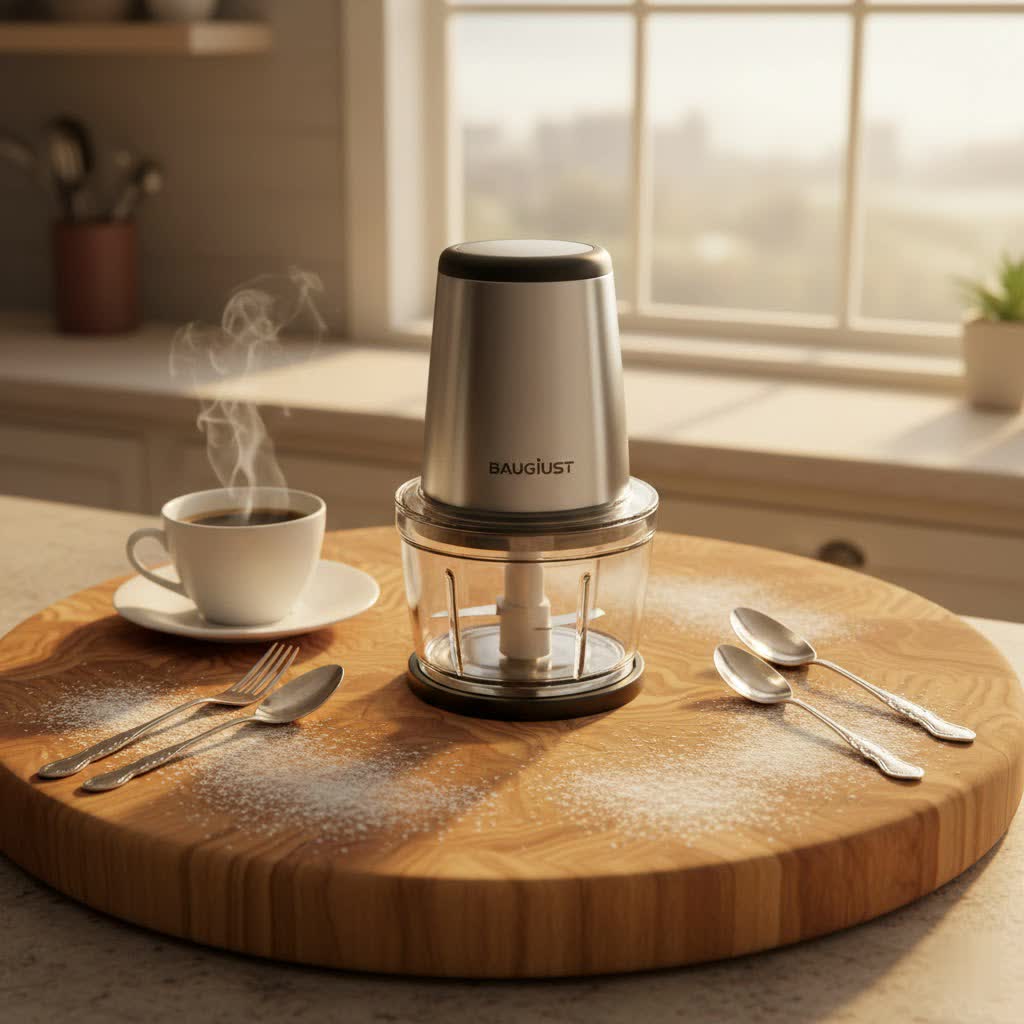
Commercial Vegetable Choppers: The Time-Saving Solution for Modern Kitchens
Commercial vegetable choppers are specialized kitchen appliances designed to rapidly and consistently cut, dice, slice, or julienne a wide variety of vegetables and fruits. They are engineered for high-volume use, durability, and precision, making them a cornerstone of efficient food preparation in restaurants, catering companies, delis, and institutional kitchens. These machines drastically cut down on the labor and time required for prepping ingredients, allowing staff to focus on more complex culinary tasks.
Compared to traditional knife-and-board methods, using a commercial vegetable chopper offers numerous benefits. It ensures uniform cuts, which is vital for consistent cooking times and attractive presentation, while also significantly reducing the risk of injuries associated with repetitive knife work. This not only boosts productivity but also enhances food safety and the overall morale of kitchen staff, making it a smart investment for any food service establishment aiming for operational excellence.
Types of Commercial Vegetable Choppers for Every Business Need
The market offers a diverse range of commercial vegetable choppers, each suited for different volumes, budgets, and specific cutting requirements. Understanding these categories is key to selecting the perfect machine for your unique operation.
Manual Commercial Vegetable Choppers
Manual commercial vegetable choppers rely on human power to operate, typically using a lever or pushing mechanism to force vegetables through a set of sharp blades. These are often robust, simple machines designed for durability and ease of use without needing an electrical power source.
- Pros: More affordable, highly durable with fewer moving parts to break, easy to clean, portable, and excellent for establishments with lower to moderate volume needs. They are also ideal for back-of-house areas where power outlets might be scarce.
- Cons: Requires manual effort, which can be tiring during prolonged use; slower than electric models for very high volumes.
- Best Suited For: Small restaurants, food trucks, delis, and any business where specific, consistent cuts are needed without the demand for extremely high throughput.
|
Our Picks for the Best Vegetable Chopper in 2026
As an Amazon Associate I earn from qualifying purchases.
|
||
| Num | Product | Action |
|---|---|---|
| 1 | Fullstar The Original Pro Chopper - Vegetable Chopper and Spiralizer, Food Chopper with Container, Fruit Slicer, Kitchen Gadgets & Gifts, Home Essentials (4 in 1, White) |

|
| 2 | Mueller The Real Original Pro Chopper since 2013 Vegetable Chopper Mandoline Slicer, 8 Blade Food Veggie Chopper Onion Vegetable Cutter with Container, Kitchen Gadgets & Essentials, (10 in 1) |
|
| 3 | Mueller Pro-Series All-in-One, 12 Blade Mandoline Slicer for Kitchen, Food Chopper, Vegetable Slicer and Spiralizer, Cutter, Dicer, Grater, Kitchen Gadgets Sets with Container, White Sand/Gray |
|
| 4 | Fullstar Mandoline Slicer for Kitchen - Vegetable Chopper, Onion Potato Food Veggie Fruit Slicer and Cutter with Container, Kitchen Gadgets & Gifts, Home Essentials (6-in-1, White/Black) |
|
| 5 | Semi-Automatic 12-Inch Commercial Electric Food Slicer - 370W Motor with Precision-Adjust Blade for Home & Kitchen Use Chromium Steel Construction |
|
| 6 | Simple Deluxe Food Processor, 450W Electric Food Chopper with 2 Bowls (8 Cup+8 Cup) & 2 Bi-Level Blades, Small Electric Meat Grinder Processor for Nuts, Fruits, Meat, Vegetable, Baby Food, Silver |
|
| 7 | OXO Good Grips Vegetable Chopper |
|
| 8 | Vegetable Chopper,12-in-1 Multifunctional Food Chopper,Professional Onion Chopper with 7 Blades,Vegetable Cutter with Container for Salad,Potato,Carrot,and Garlic; Essential Kitchen Tool(Grey) |
|
| 9 | Mueller Vegetable Chopper Mandoline Slicer, Food Veggie Chopper, Cheese Grater, Onion Vegetable Cutter with Container, Dicer, Kitchen Gadgets & Essentials, White Sand/Grey |
|
| 10 | ONCE FOR ALL Safe Mandoline Slicer 5 in 1 Vegetable Chopper Food Potato Cutter, Strips Julienne Dicer Adjustable Thickness 0.1-8 mm Kitchen Chopping Artifact Fast Meal Prep (Gray) |
|
Electric Commercial Vegetable Choppers
Electric commercial vegetable choppers utilize a motor to power their blades, automating the cutting process. These machines vary widely in size, power, and functionality, from simple slicers to complex dicers.
- Pros: Significantly faster and more efficient for high-volume tasks, reduces physical strain on staff, often offers a wider range of cutting styles with interchangeable blades. They are excellent for consistent, high-speed output.
- Cons: Generally more expensive than manual models, requires a power outlet, can be more complex to clean due to electrical components and multiple parts.
- Best Suited For: Mid to large-sized restaurants, catering operations, hotel kitchens, and any commercial setting requiring rapid processing of large quantities of vegetables.
Multi-functional Commercial Vegetable Choppers
Multi-functional choppers often combine aspects of both manual and electric designs, or are electric units with extensive accessories, to provide a wide array of cutting options within a single machine. These can dice, slice, shred, grate, julienne, and even create waffle cuts, offering unparalleled versatility.
- Pros: Extremely versatile, saving space by consolidating multiple prep tasks into one unit, highly efficient for diverse menu needs. They are a “Swiss Army knife” for vegetable preparation.
- Cons: Can be the most expensive option, potentially complex to operate and clean due to numerous attachments, and might have a larger footprint.
- Best Suited For: Professional chefs, gourmet restaurants, specialized catering services, or any kitchen that requires a broad spectrum of vegetable preparation styles and consistent quality across diverse dishes.
Comparing Commercial Vegetable Chopper Types: A Quick Overview
Choosing the right commercial vegetable chopper involves weighing various factors against your operational demands. Here’s a comparative look at the main types:
| Feature | Manual Chopper | Electric Chopper | Multi-functional Chopper |
|---|---|---|---|
| Price Range | Low to Moderate | Moderate to High | High to Very High |
| Functionality | Basic dicing, slicing, wedging | Slicing, shredding, dicing | Extensive range: dicing, slicing, shredding, grating, julienning, etc. |
| Key Advantage | Durability, portability, cost-effective, easy cleaning | Speed, consistency, reduced labor, high volume | Versatility, space-saving, diverse output |
| Drawback | Requires manual effort, slower for high volume | Higher initial cost, requires power, more complex cleaning | Highest cost, potentially more complex operation/maintenance |
| Ideal User | Small eateries, food trucks, limited prep needs | Busy restaurants, catering, hotels, high volume operations | Professional chefs, diverse menus, specialized prep requirements |
How to Choose the Right Commercial Vegetable Chopper for Your Operation
Selecting the ideal commercial vegetable chopper involves a systematic assessment of your kitchen’s specific requirements, operational flow, and budget. Making an informed choice ensures long-term satisfaction and maximum return on your investment.
Assess Your Business Volume and Needs
Start by evaluating the quantity and types of vegetables you process daily. Do you need to dice hundreds of pounds of onions, or merely slice a few dozen tomatoes? Consider the specific cuts you require—dicing, slicing, shredding, or wedging—and the consistency demanded by your recipes. Your budget is also a critical factor; outline a realistic spending limit that aligns with your operational scale. For high-volume establishments, investing more upfront in a robust electric model will typically yield better long-term savings.
Consider Power and Efficiency
The choice between manual and electric choppers hinges on your need for speed and volume. Manual choppers are excellent for consistency and reliability in moderate-volume settings, requiring no power. Electric models, however, are indispensable for large-scale operations where speed and minimal manual effort are paramount. They can process vast quantities of vegetables in a fraction of the time, dramatically increasing throughput.
Material and Durability
Commercial kitchen equipment endures heavy use, so material quality is non-negotiable. Look for choppers made from food-grade stainless steel for blades and housing, as it offers superior hygiene, corrosion resistance, and longevity. BPA-free plastics are acceptable for non-contact parts. Robust construction, often indicated by heavy-duty frames and secure locking mechanisms, ensures the machine can withstand the rigors of a busy kitchen environment.
Safety and Ease of Cleaning
Safety features are paramount in a commercial setting. Ensure the chopper has blade guards, non-slip feet, and secure locking mechanisms. For electric models, emergency stop buttons and overload protection are vital. Ease of cleaning directly impacts hygiene and operational efficiency. Choose models with removable, dishwasher-safe parts where possible. Simple, intuitive designs facilitate quick disassembly and reassembly, minimizing downtime.
Brand Reputation and User Reviews
Researching reputable brands known for commercial kitchen equipment is a smart move. Brands like Robot Coupe, Nemco, and Hobart have long-standing reputations for quality and durability in the food service industry. Always check user reviews and testimonials from other commercial kitchen professionals. Their real-world experiences can provide invaluable insights into the performance, reliability, and maintenance requirements of a particular model.
Top 7 Commercial Vegetable Choppers Preferred by Professionals
When it comes to outfitting a busy commercial kitchen, choosing the right vegetable chopper can significantly impact efficiency and productivity. Here are seven highly regarded options that frequently earn praise from industry professionals for their performance, durability, and reliability.
-
Nemco Easy Chopper II:
- Pros: Exceptionally durable cast aluminum construction, wide base for stability, ergonomic handle, available with various blade cartridges (dicing, wedging, slicing), very easy to clean. A true workhorse for medium-volume manual chopping.
- Cons: Manual operation can be tiring for very high volumes, blades can dull over time with very hard vegetables.
- Price: Mid-range for manual choppers.
-
Robot Coupe CL50 Ultra Food Processor/Vegetable Prep Machine:
- Pros: Extremely powerful motor, wide range of interchangeable discs for slicing, grating, dicing, and julienning, high output for large operations, built for continuous use, superb consistency.
- Cons: High initial cost, takes up significant counter space, requires specific power outlets.
- Price: High-end.
-
Waring Commercial WFP14S Food Processor (with Dicing Kit):
- Pros: Heavy-duty motor, sealed housing for quiet operation, includes a wide array of processing attachments, and a dedicated dicing kit, ideal for consistent dicing results.
- Cons: Dicing kit is often sold separately, unit can be bulky, cleaning the dicing grid requires care.
- Price: Mid to high-range.
-
Hobart FP150-1 Food Processor:
- Pros: Robust construction for continuous commercial use, powerful motor handles tough vegetables, wide chute for large items, easy-to-use controls, excellent for slicing and shredding.
- Cons: Primarily a slicing/shredding machine; dicing capabilities are less prominent, high initial investment.
- Price: High-end.
-
Thunder Group Manual Food Chopper:
- Pros: Very cost-effective manual option, simple sturdy design, often comes with interchangeable blade sets for different cuts, good for budget-conscious small businesses.
- Cons: Less robust than Nemco, may not withstand extremely heavy daily use for years, some plastic components.
- Price: Low-range.
-
Weston Commercial Electric Chopper/Slicer:
- Pros: Designed for efficiency in slicing and shredding, good for moderate volumes, often includes multiple cutting cones for various thicknesses, relatively compact for an electric unit.
- Cons: More focused on slicing/shredding than dicing, motor might not be as powerful as premium models for very hard vegetables.
- Price: Mid-range.
-
Cuisinart Commercial Food Processor (Various Models):
- Pros: Reliable brand with commercial-grade models, strong motors, good for general food prep including some dicing/slicing needs, often more compact than industrial machines.
- Cons: May not match the extreme durability or specialized dicing output of dedicated industrial choppers, some parts may be less robust.
- Price: Mid-range.
Tips for Operating And Maintaining Your Commercial Vegetable Chopper
Proper operation and consistent maintenance are crucial for maximizing the lifespan and efficiency of your commercial vegetable chopper. Following best practices ensures safety, optimal performance, and superior food quality.
Always read the manufacturer’s manual thoroughly before initial use to understand specific operating instructions and safety precautions. Ensure the chopper is placed on a stable, flat surface and is securely assembled. Always use the provided food pushers or plungers; never use your hands to force vegetables into the blades, as this poses a significant injury risk. Cut larger vegetables into manageable sizes to prevent jamming and straining the motor or manual mechanism. Regularly inspect blades for sharpness and damage; dull blades can tear instead of cut, affecting food quality and potentially damaging the machine.
For cleaning, immediately after each use, disassemble the removable parts. Most blades and cutting grids can be washed with warm, soapy water and a brush to remove food particles. For electric models, ensure the motor base is unplugged and wipe it down with a damp cloth, never submerging it in water. Allow all parts to air dry completely before reassembling to prevent rust and bacterial growth. Store blades and grids safely to prevent dulling or injury. Regular lubrication of moving parts (if applicable per manufacturer instructions) can also extend the product’s life. “Consistent cleaning and proper blade care are the cornerstones of a high-performing commercial vegetable chopper,” states an industry veteran from a leading restaurant supply company. “Neglect either, and you’ll quickly see a drop in efficiency and an increase in maintenance costs.”
Conclusion
A commercial vegetable chopper is far more than just another kitchen gadget; it’s a strategic investment that fundamentally enhances the operational efficiency, consistency, and safety of any professional kitchen. From small cafes to large catering operations, the right commercial vegetable chopper can drastically reduce prep time, lower labor costs, and ensure uniform, high-quality ingredients for every dish. By carefully considering your specific needs, evaluating the various types available, and committing to proper maintenance, you can select a machine that becomes an invaluable asset for years to come. Isn’t it time you chopped away at inefficiency and brought a new level of precision to your culinary creations?
Frequently Asked Questions
What types of vegetables can a commercial chopper handle?
A high-quality commercial vegetable chopper can handle a vast array of produce, from soft items like tomatoes and mushrooms to harder vegetables such as potatoes, onions, carrots, and even tough root vegetables. The specific capabilities depend on the chopper’s power, blade strength, and design, with electric and heavy-duty manual models offering the most versatility.
How do I choose between a manual and electric commercial vegetable chopper?
The choice primarily depends on your kitchen’s volume and budget. Manual choppers are durable, cost-effective, and great for moderate volumes or specific cuts. Electric choppers are faster, require less effort, and are ideal for high-volume operations where speed and consistency are critical. Consider your daily throughput before deciding.
What maintenance is required for a commercial vegetable chopper?
Regular cleaning is paramount after each use, typically involving disassembling and washing removable parts with soap and water. Blades should be inspected for sharpness and replaced or sharpened when dull. For electric models, ensure the motor unit is kept dry and free from food debris. Following the manufacturer’s specific guidelines will ensure longevity.
Can a commercial vegetable chopper cut different sizes and shapes?
Many commercial vegetable choppers, especially multi-functional electric models, come with interchangeable blades and grids that allow for a variety of cuts, including different sizes of dice, slices, shreds, and juliennes. Manual choppers often offer different blade cartridges as well, though typically with fewer options.
Are commercial vegetable choppers difficult to clean?
While some models with many attachments might seem daunting, most commercial vegetable choppers are designed for ease of cleaning. Key features to look for include removable parts that are dishwasher safe and smooth, accessible surfaces for wiping down. Prioritizing models with simple disassembly will make cleaning less of a chore.
