In the bustling rhythm of modern life, where every minute counts, culinary efficiency has become a prized commodity. For many home cooks, the most time-consuming and often dreaded part of preparing a delicious meal is the endless task of chopping, dicing, and slicing vegetables. This is where the humble yet revolutionary vegetable chopper dicer steps in, transforming tedious prep work into a swift and enjoyable experience. If you’ve ever wished for perfectly uniform dices without the hassle or the risk of a kitchen mishap, understanding the power of a quality vegetable chopper dicer is your first step towards a more streamlined and joyful cooking journey.
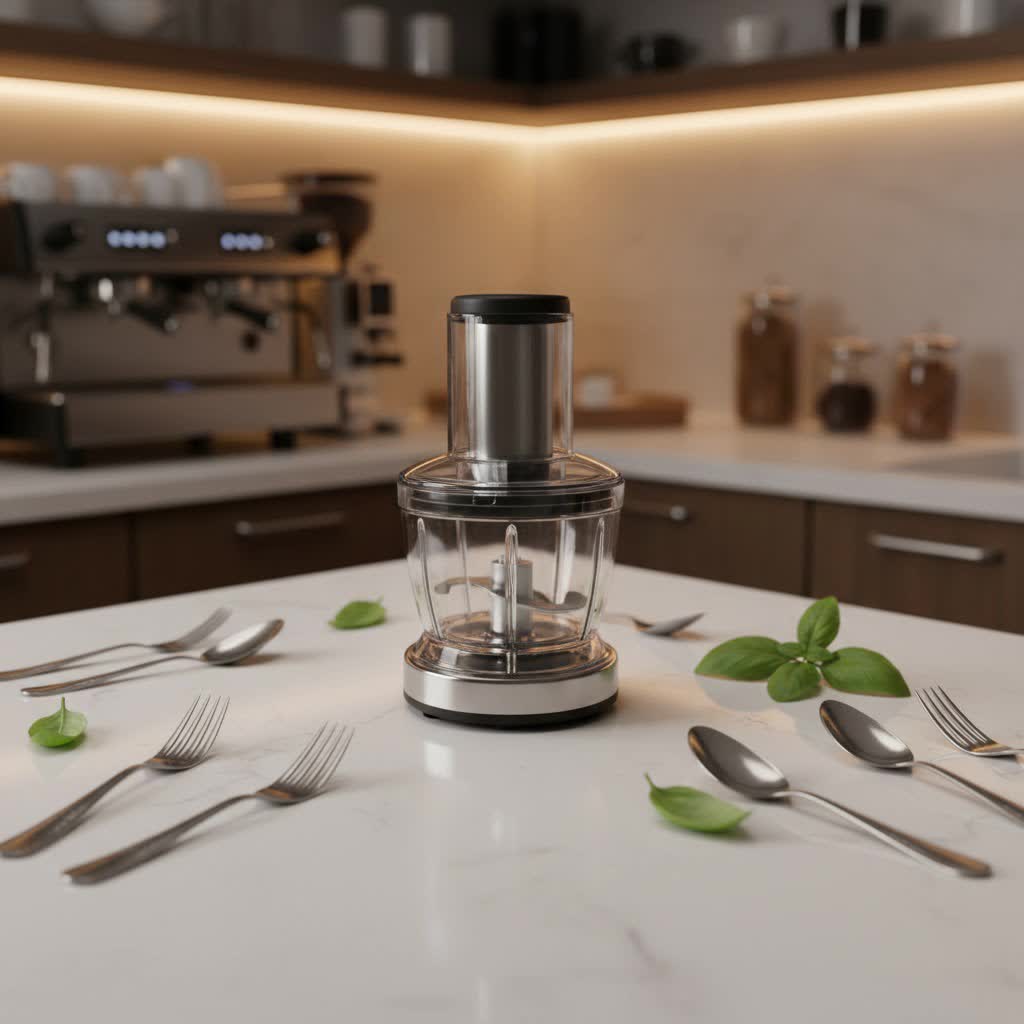
The Modern Kitchen Essential: Why Every Home Needs a Vegetable Chopper Dicer
A vegetable chopper dicer isn’t just another kitchen gadget; it’s a game-changer for anyone looking to save time and effort in the kitchen. Traditional knife skills, while valuable, can be slow, inconsistent, and sometimes intimidating. These innovative tools offer a fast, safe, and efficient alternative, allowing you to breeze through meal preparation.
Beyond saving precious minutes, a vegetable chopper dicer brings consistency to your dishes, ensuring even cooking and a professional presentation. This uniformity is particularly beneficial for salads, stir-fries, soups, and stews, where identical pieces of vegetables contribute to both taste and aesthetic appeal. It also promotes healthier eating by making it easier and more appealing to incorporate fresh produce into your daily diet. Less time spent on prep means more time enjoying nutritious, home-cooked meals.
Unpacking the Types: Manual, Electric, and Multi-functional Vegetable Chopper Dicers
The market offers a diverse range of vegetable chopper dicers, each designed to cater to different needs and cooking styles. Understanding the distinctions between manual, electric, and multi-functional models is key to selecting the perfect fit for your kitchen.
Manual Vegetable Choppers
Manual choppers are the workhorses for everyday, smaller-scale tasks. These typically come in two main styles:
- Push-Down Models: Featuring a grid-style blade, you place a vegetable on top and press down on a lid or plunger, forcing the food through the blades into a collection container. They are excellent for consistent dicing and come with various blade sizes for different cuts.
- Advantages: Affordable, simple to use, no electricity required, portable.
- Disadvantages: Requires some physical effort, can be less efficient for very large quantities.
- Best For: Small families, occasional cooks, camping, or quick daily prep of single ingredients.
- Pull-Cord Models: These mini food processors use a sharp S-blade activated by pulling a string. The more pulls, the finer the chop.
- Advantages: Compact, good for mincing herbs and garlic, relatively easy to clean.
- Disadvantages: Limited capacity, may not produce perfectly uniform dices compared to grid-style.
- Best For: Mincing garlic, onions, herbs, making salsas, or baby food in small batches.
|
Our Picks for the Best Vegetable Chopper in 2026
As an Amazon Associate I earn from qualifying purchases.
|
||
| Num | Product | Action |
|---|---|---|
| 1 | Fullstar Mandoline Slicer for Kitchen - Vegetable Chopper, Onion Potato Food Veggie Fruit Slicer and Cutter with Container, Kitchen Gadgets & Gifts, Home Essentials (6-in-1, White/Black) |

|
| 2 | Fullstar The Original Pro Chopper - Vegetable Chopper and Spiralizer, Food Chopper with Container, Fruit Slicer, Kitchen Gadgets & Gifts, Home Essentials (4 in 1, White) |
|
| 3 | OXO Good Grips Vegetable Chopper |
|
| 4 | Vegetable Chopper,12-in-1 Multifunctional Food Chopper,Professional Onion Chopper with 7 Blades,Vegetable Cutter with Container for Salad,Potato,Carrot,and Garlic; Essential Kitchen Tool(Grey) |
|
| 5 | Simple Deluxe Food Processor, 450W Electric Food Chopper with 2 Bowls (8 Cup+8 Cup) & 2 Bi-Level Blades, Small Electric Meat Grinder Processor for Nuts, Fruits, Meat, Vegetable, Baby Food, Silver |
|
| 6 | ONCE FOR ALL Safe Mandoline Slicer 5 in 1 Vegetable Chopper Food Potato Cutter, Strips Julienne Dicer Adjustable Thickness 0.1-8 mm Kitchen Chopping Artifact Fast Meal Prep (Gray) |
|
| 7 | Semi-Automatic 12-Inch Commercial Electric Food Slicer - 370W Motor with Precision-Adjust Blade for Home & Kitchen Use Chromium Steel Construction |
|
| 8 | Mueller Vegetable Chopper Mandoline Slicer, Food Veggie Chopper, Cheese Grater, Onion Vegetable Cutter with Container, Dicer, Kitchen Gadgets & Essentials, White Sand/Grey |
|
| 9 | Mueller Pro-Series All-in-One, 12 Blade Mandoline Slicer for Kitchen, Food Chopper, Vegetable Slicer and Spiralizer, Cutter, Dicer, Grater, Kitchen Gadgets Sets with Container, White Sand/Gray |
|
| 10 | Mueller The Real Original Pro Chopper since 2013 Vegetable Chopper Mandoline Slicer, 8 Blade Food Veggie Chopper Onion Vegetable Cutter with Container, Kitchen Gadgets & Essentials, (10 in 1) |
|
Electric Vegetable Choppers
For those who frequently cook for larger groups or desire maximum speed and minimal effort, electric vegetable choppers (often mini food processors) are an ideal choice. These models feature a powerful motor that drives blades to chop, mince, puree, and sometimes even emulsify ingredients.
- Advantages: Extremely fast, highly efficient for large volumes, versatile with various functions beyond just chopping, minimal physical effort.
- Disadvantages: Higher price point, requires an electrical outlet, generally larger footprint, can be slightly more complex to clean due to motor unit.
- Best For: Busy households, frequent entertainers, preparing ingredients for large recipes, or individuals with limited hand strength.
Multi-functional Vegetable Choppers
These choppers combine the best of both worlds, often featuring a manual push-down mechanism but with an extensive array of interchangeable blades. They go beyond simple dicing to offer slicing, grating, julienning, and even spiralizing capabilities.
- Advantages: Unmatched versatility for a wide range of culinary tasks, replaces multiple kitchen tools, encourages diverse cooking.
- Disadvantages: Can be more expensive than basic manual models, storing all the attachments might require more space, some units can be complex to assemble.
- Best For: Passionate home cooks, chefs who enjoy culinary experimentation, or anyone looking for an all-in-one prep solution.
Vegetable Chopper Dicer Comparison Chart: Finding Your Perfect Match
Choosing the right vegetable chopper dicer depends on your specific cooking habits and needs. This table provides a quick overview to help you compare the main types.
| Feature | Manual Push-Down | Manual Pull-Cord | Electric (Mini Food Processor) | Multi-functional Manual |
|---|---|---|---|---|
| Price | Low | Low-Medium | Medium-High | Medium-High |
| Effort | Moderate | Low (pulling) | Very Low | Moderate |
| Speed | Moderate | Fast (for small batches) | Very Fast | Moderate |
| Versatility | Good (dicing sizes) | Good (chopping/mincing) | Excellent (chop, mince, puree) | Excellent (many blade types) |
| Best For | Consistent dicing, daily use | Mincing, sauces, small jobs | High volume, diverse prep | Creative cooking, all-in-one |
| Power Source | Manual | Manual | Electric | Manual |
| Cleanup | Easy | Easy | Moderate | Moderate (many parts) |
How to Choose Your Ideal Vegetable Chopper Dicer: A Buyer’s Guide
Navigating the array of options can be daunting, but focusing on a few key factors will simplify your decision and ensure you invest in a tool that genuinely enhances your kitchen experience.
Assessing Your Culinary Needs
Before anything else, consider your cooking frequency and the types of dishes you prepare. Do you cook daily for a large family, or are you an occasional cook preparing meals for one or two? The volume of vegetables you typically process will determine the ideal capacity and power source. If you mostly need to dice onions and peppers for stir-fries, a simple manual dicer might suffice. However, if you’re making large batches of soup or regularly preparing complex recipes, an electric or highly versatile multi-functional model will be more beneficial. Also, consider your budget; there are excellent options at every price point.
Blade Quality and Versatility
The performance of any chopper dicer hinges on its blades. Opt for models with high-quality, sharp stainless steel blades, which offer superior durability, resistance to rust, and efficient cutting. Laser-cut or precision-honed edges maintain sharpness longer. Look for choppers that offer interchangeable blades for different cuts—dicing, slicing, grating, julienning—if versatility is a priority. Some models, like the Mueller Pro-Series 10-in-1, come with eight or more blades, catering to every cutting style imaginable.
Safety and Ease of Cleaning
Safety should always be a paramount concern when dealing with sharp kitchen tools. Essential safety features include a non-slip base to keep the chopper stable during use, a secure lid lock to prevent accidents, and blade guards for safe handling and storage. Many choppers also come with cleaning brushes to safely remove food residue from blades. For ultimate convenience, choose models with dishwasher-safe components, as this significantly reduces cleanup time and effort. Additionally, prioritize products made with BPA-free plastics in all food-contact areas to ensure food safety.
Brand Reputation and User Reviews
Investing in a product from a reputable brand often guarantees better quality, customer support, and reliability. Before making a purchase, take the time to read user reviews and ratings. Real-world feedback can offer invaluable insights into a chopper’s durability, ease of use, cleaning challenges, and overall performance with various vegetables. Brands like Cuisinart, OXO, Fullstar, and Zyliss consistently receive high marks for their vegetable choppers and dicers.
Top 5 Vegetable Chopper Dicers Recommended for 2026
Based on extensive testing and user feedback, here are some of the top vegetable chopper dicers that stand out in the current market, each offering unique strengths for different kitchen needs.
-
The All-Rounder Manual Dicer (e.g., Fullstar Vegetable Chopper):
- Advantages: Often includes multiple interchangeable blades for large/small dicing, spiralizing, and ribbon cuts. A popular choice for its versatility and value. Easy to clean with included tools and often dishwasher-safe.
- Disadvantages: Manual operation requires some force for harder vegetables.
- Ideal For: Home cooks seeking a versatile manual solution for various cuts without breaking the bank.
-
The Efficient Electric Mini-Processor (e.g., Cuisinart Mini-Prep Plus Food Processor):
- Advantages: Powerful motor for quick chopping, mincing, and pureeing. Excellent for onions, peppers, and even making sauces or baby food. Dishwasher-safe bowl, blade, and lid for easy cleanup.
- Disadvantages: Higher price, requires electricity, and is primarily suited for chopping/mincing with an S-blade.
- Ideal For: Those needing speed, power, and versatility for chopping and processing smaller batches of food with minimal effort.
-
The Reliable Push-Down Chopper (e.g., OXO Good Grips Chopper):
- Advantages: Simple push-down mechanism for consistent dicing into a contained collection cup. Features a grid-style blade that provides uniform pieces. A wiper mechanism helps scrape food off the blade.
- Disadvantages: Single blade limits versatility compared to multi-blade models. May require significant pressure for very firm vegetables.
- Ideal For: Users who prioritize consistent dicing for specific vegetables like onions or peppers and appreciate a straightforward design.
-
The Ultimate Multi-Blade System (e.g., Mueller Pro-Series 10-in-1 Vegetable Chopper):
- Advantages: Boasts a comprehensive set of interchangeable blades for dicing (various sizes), slicing, and grating. Sturdy and requires less pressure to cut through firm vegetables uniformly. Includes safety features like a handguard.
- Disadvantages: More components to store and clean, might seem complex initially.
- Ideal For: Enthusiastic cooks who want to perform a wide variety of prep tasks with one robust tool.
-
The Ergonomic Pull-Chopper (e.g., Zyliss Easy Pull Food Processor):
- Advantages: Easy pull-cord mechanism efficiently chops vegetables, herbs, and nuts. Compact design with a non-slip base and comfortable handle. Simple to assemble and clean.
- Disadvantages: Limited capacity, not ideal for large dicing tasks or very hard vegetables.
- Ideal For: Quick mincing tasks, making salsas, or for users who prefer a manual, easy-to-operate chopper for smaller quantities.
Maximizing Your Chopper Dicer: Usage and Maintenance Tips
To ensure your vegetable chopper dicer remains a valuable asset in your kitchen for years to come, proper usage and diligent maintenance are essential.
When using your chopper, always place it on a stable, non-slip surface. For push-down models, ensure vegetables are cut into pieces that fit easily onto the blade grid to prevent damage. Apply firm, even pressure. For electric models, avoid over-processing by using short pulses until the desired consistency is achieved. Always follow the manufacturer’s safety guidelines, especially regarding sharp blades.
Cleaning is crucial. Immediately after use, rinse all components to prevent food from drying and sticking. Most modern choppers have dishwasher-safe parts, but check your specific model’s instructions. For manual cleaning, use a brush (often included) to safely remove bits from blades without direct contact. Ensure all parts are thoroughly dry before reassembling and storing to prevent rust and mold growth. Store blades in their protective covers and keep the unit in a clean, dry place to prolong its lifespan.
> “A good vegetable chopper isn’t just about speed; it’s about making healthy cooking accessible and enjoyable for everyone, regardless of their knife skills.” – Chef Antoine Dubois, Culinary Innovator
Conclusion
The vegetable chopper dicer has undeniably carved out its place as an indispensable kitchen tool, transforming tedious food preparation into an effortless and efficient task. From manual models perfect for quick daily chops to powerful electric versions that handle large volumes, and versatile multi-functional units that cater to every culinary whim, there’s a perfect chopper dicer for every home cook. By carefully considering your cooking needs, prioritizing blade quality and safety, and following simple maintenance routines, you can select a high-quality tool that not only saves you time and effort but also inspires greater creativity and consistency in your culinary endeavors. Isn’t it time to chop your way to easier, healthier, and more enjoyable meals?
Frequently Asked Questions
What’s the difference between a vegetable chopper dicer and a food processor?
While both chop vegetables, a dedicated vegetable chopper dicer is typically more specialized for uniform dicing, slicing, and julienning, often with interchangeable grid-style blades. A food processor, usually electric, is more versatile with an S-blade, capable of chopping, mincing, pureeing, shredding, and sometimes kneading dough, but may not always produce perfectly uniform dices.
Can vegetable choppers handle hard vegetables like carrots and potatoes?
Yes, many high-quality vegetable chopper dicers, especially those with sharp stainless steel blades and sturdy construction, are designed to handle hard vegetables. Manual push-down models may require more effort, while electric choppers can process them with ease. Always cut larger, harder vegetables into smaller pieces that fit the blade grid to prevent damage.
Are vegetable choppers easy to clean?
Most modern vegetable choppers are designed for easy cleaning. Many models feature dishwasher-safe components, making cleanup a breeze. For parts that need handwashing, they often come with cleaning brushes to safely remove food residue from the sharp blades. Prompt rinsing after use prevents food from sticking and makes cleaning even simpler.
Is a manual or electric vegetable chopper better?
The “better” option depends on your specific needs. A manual chopper is more budget-friendly, portable, and ideal for smaller quantities or when electricity isn’t available. An electric chopper offers speed, power, and versatility for larger volumes and diverse tasks, making it ideal for busy kitchens or those who want minimal effort. Consider your cooking frequency, quantity, and budget to decide which suits you best.
