Are you tired of spending endless minutes meticulously chopping vegetables, yearning for a faster, safer, and more consistent way to prepare your ingredients? For anyone who loves to cook but dreads the prep work, a manual vegetable chopper is an absolute game-changer. This essential kitchen tool can revolutionize your culinary routine, transforming tedious tasks into swift, satisfying steps. In this comprehensive guide, we’ll delve into the world of manual vegetable choppers, exploring their types, benefits, and what to look for to choose the perfect one for your kitchen needs. Get ready to embrace efficiency and elevate your cooking experience.
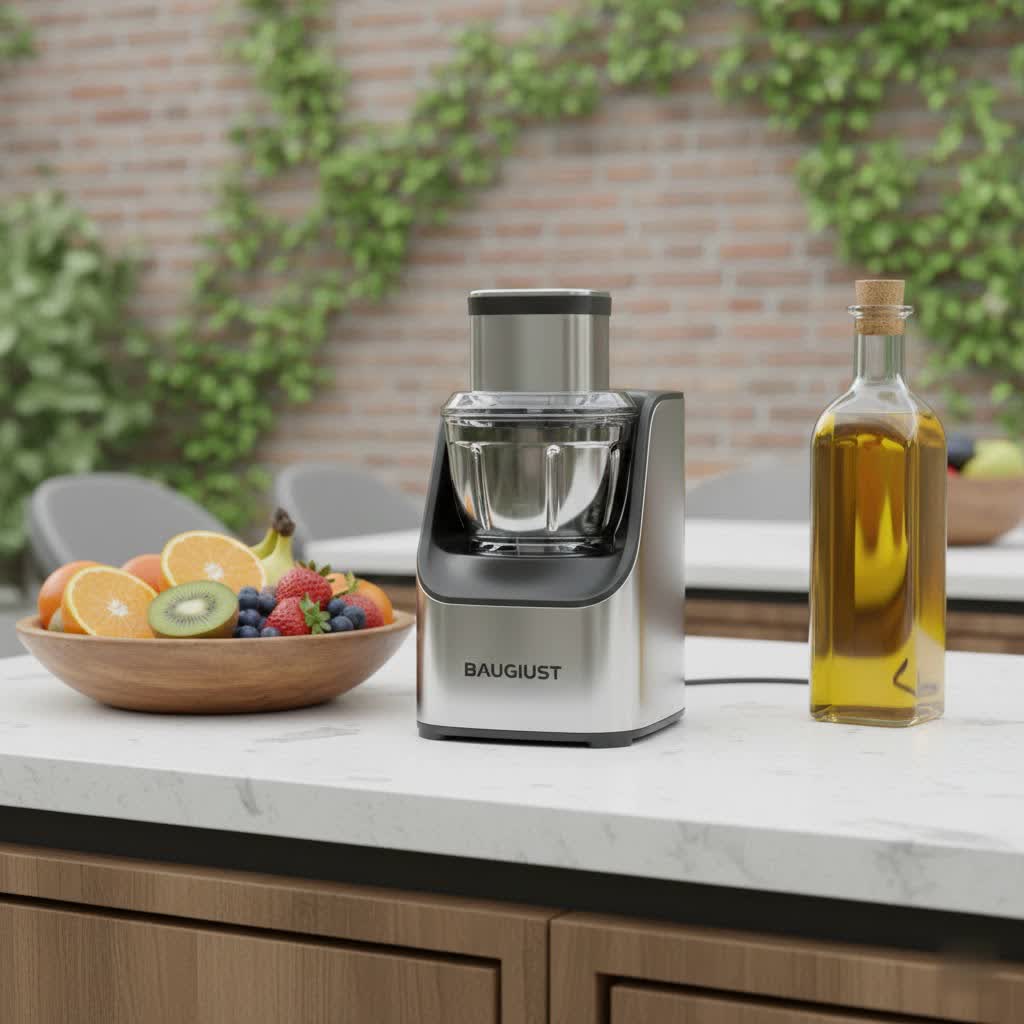
Manual Vegetable Choppers: The Time-Saving Solution for Modern Kitchens
In today’s fast-paced world, efficiency in the kitchen is paramount. Manual vegetable choppers offer a brilliant alternative to traditional knife work, significantly cutting down on food preparation time and effort. These clever kitchen gadgets streamline tasks like dicing onions, slicing cucumbers, and mincing garlic, ensuring consistent cuts with minimal fuss. Beyond saving precious minutes, manual choppers enhance safety by keeping your fingers away from sharp blades and often reduce kitchen mess by containing ingredients as they’re chopped. They are a simple yet powerful addition, making healthy cooking more accessible and enjoyable for everyone.
Exploring Popular Types of Manual Vegetable Choppers
Manual vegetable choppers come in various designs, each offering unique advantages for different chopping needs. Understanding these distinctions is key to selecting the ideal tool for your culinary adventures.
Pull-Cord Manual Choppers
These choppers operate with a simple pull mechanism, similar to starting a lawnmower. A series of sharp, rotating blades inside a container spin rapidly when you pull a string, finely chopping ingredients.
- Pros: Excellent for achieving fine minces and purees quickly, such as garlic, herbs, onions, or homemade salsa. They offer a good degree of control over the chop size—more pulls mean finer results. They are compact, require no electricity, and are highly portable.
- Cons: May require both hands to operate effectively (one to hold the base, one to pull the cord) and often have smaller capacities, making them less ideal for very large batches.
- Suitable for: Daily small batch prep, making sauces, dips, baby food, or when you need a very fine chop.
|
Our Picks for the Best Vegetable Chopper in 2026
As an Amazon Associate I earn from qualifying purchases.
|
||
| Num | Product | Action |
|---|---|---|
| 1 | OXO Good Grips Vegetable Chopper |

|
| 2 | Mueller The Real Original Pro Chopper since 2013 Vegetable Chopper Mandoline Slicer, 8 Blade Food Veggie Chopper Onion Vegetable Cutter with Container, Kitchen Gadgets & Essentials, (10 in 1) |
|
| 3 | Mueller Vegetable Chopper Mandoline Slicer, Food Veggie Chopper, Cheese Grater, Onion Vegetable Cutter with Container, Dicer, Kitchen Gadgets & Essentials, White Sand/Grey |
|
| 4 | Simple Deluxe Food Processor, 450W Electric Food Chopper with 2 Bowls (8 Cup+8 Cup) & 2 Bi-Level Blades, Small Electric Meat Grinder Processor for Nuts, Fruits, Meat, Vegetable, Baby Food, Silver |
|
| 5 | Semi-Automatic 12-Inch Commercial Electric Food Slicer - 370W Motor with Precision-Adjust Blade for Home & Kitchen Use Chromium Steel Construction |
|
| 6 | ONCE FOR ALL Safe Mandoline Slicer 5 in 1 Vegetable Chopper Food Potato Cutter, Strips Julienne Dicer Adjustable Thickness 0.1-8 mm Kitchen Chopping Artifact Fast Meal Prep (Gray) |
|
| 7 | Fullstar The Original Pro Chopper - Vegetable Chopper and Spiralizer, Food Chopper with Container, Fruit Slicer, Kitchen Gadgets & Gifts, Home Essentials (4 in 1, White) |
|
| 8 | Fullstar Mandoline Slicer for Kitchen - Vegetable Chopper, Onion Potato Food Veggie Fruit Slicer and Cutter with Container, Kitchen Gadgets & Gifts, Home Essentials (6-in-1, White/Black) |
|
| 9 | Mueller Pro-Series All-in-One, 12 Blade Mandoline Slicer for Kitchen, Food Chopper, Vegetable Slicer and Spiralizer, Cutter, Dicer, Grater, Kitchen Gadgets Sets with Container, White Sand/Gray |
|
| 10 | Vegetable Chopper,12-in-1 Multifunctional Food Chopper,Professional Onion Chopper with 7 Blades,Vegetable Cutter with Container for Salad,Potato,Carrot,and Garlic; Essential Kitchen Tool(Grey) |
|
Push-Down (Grid-Style) Manual Choppers
Push-down choppers feature a grid of sharp blades. You place a vegetable on the grid, then press down on a lid or plunger, forcing the food through the blades into a collection container below.
- Pros: Known for producing incredibly consistent, uniform dices and slices. Many models come with interchangeable grids for different sizes and shapes, like cubes or sticks. The integrated collection container keeps your workspace tidy.
- Cons: Requires more physical force, especially for harder vegetables like carrots or potatoes, and typically involves pre-cutting larger items to fit the grid. Cleaning can sometimes be tricky if food gets stuck in the grid.
- Suitable for: Preparing salads, stir-fries, stews, or any dish requiring uniformly diced vegetables.
Multi-Functional Manual Choppers
These are often an evolution of the push-down design, featuring a wider array of interchangeable blades and attachments. They can dice, slice, julienne, grate, and sometimes even spiralize.
- Pros: Offer exceptional versatility, allowing you to perform multiple prep tasks with a single tool. They reduce kitchen clutter by replacing several single-purpose gadgets.
- Cons: Can be more complex to assemble and clean due to numerous parts. The initial investment might be slightly higher than simpler models.
- Suitable for: Home cooks who enjoy diverse recipes, meal preppers, or anyone looking for an all-in-one kitchen solution.
Manual vs. Electric Vegetable Choppers: A Comparative Look
Choosing between a manual and electric vegetable chopper often depends on your cooking habits, budget, and kitchen setup. Here’s a detailed comparison:
| Feature | Manual Vegetable Chopper | Electric Vegetable Chopper |
|---|---|---|
| Price | Generally more affordable | Typically higher-priced |
| Effort | Requires physical effort | Minimal physical effort, push-button |
| Speed | Fast for small to medium tasks | Very fast, ideal for large batches |
| Versatility | Good, especially multi-functional models | Excellent, often with many attachments |
| Noise Level | Very quiet | Can be noisy |
| Cleaning | Often easy, many dishwasher-safe parts | Can be complex due to motor unit |
| Portability | Highly portable, no power needed | Requires power outlet, less portable |
| Control | More precise texture control | Less control, can over-process quickly |
| Capacity | Smaller to medium bowls | Larger bowls common |
While electric choppers offer speed for large volumes, “the unparalleled control and quiet operation of a manual chopper often make it the preferred choice for daily precision tasks and smaller kitchens,” observes the ReviewAmaz.com Admin team. For budget-conscious cooks or those prioritizing simplicity and portability, manual choppers are often the superior choice.
Essential Factors for Choosing the Right Manual Vegetable Chopper
With a variety of manual choppers on the market, selecting the best one requires careful consideration of your personal needs and preferences.
Assess Your Needs and Usage
Before buying, ask yourself: How much vegetable chopping do you do? What types of cuts do you need most often (fine mince, consistent dice, slices)? What is your budget? If you’re a daily cook preparing meals for a family, a versatile multi-functional chopper might be ideal. For occasional use or small quantities, a simple pull-cord or push-down model could suffice.
Material Quality and Durability
The longevity and performance of your chopper largely depend on its materials. Opt for models with high-quality stainless steel blades, which resist chipping, staining, and rust. For plastic components, ensure they are BPA-free to guarantee food safety. A sturdy, robust construction will withstand repeated use and ensure the chopper lasts for years.
Ease of Cleaning and Maintenance
A chopper that’s difficult to clean can quickly become a kitchen nuisance. Look for models with dishwasher-safe parts that are easy to disassemble and reassemble. Designs with minimal crevices where food can get trapped will save you time and frustration during cleanup.
Versatility and Blade Options
Consider the range of tasks you want your chopper to perform. Many manual choppers come with interchangeable blades for various cuts like dicing, slicing, julienning, and even spiralizing. The more blade options, the more versatile your chopper will be, making it a valuable all-in-one tool for different recipes.
Safety Features
Safety is paramount in any kitchen tool. A non-slip base is crucial to keep the chopper stable during use, preventing accidents. Look for secure locking lids and blade covers or safety guards that protect your hands when handling or cleaning the sharp blades.
Brand Reputation and User Reviews
Research reputable brands known for quality kitchen tools. Reading user reviews can provide invaluable insights into a chopper’s real-world performance, durability, and any potential drawbacks not immediately apparent.
Top 5 Manual Vegetable Choppers for Your Kitchen
Based on extensive testing and user feedback, here are some of the top manual vegetable choppers that stand out for their performance, durability, and user-friendliness:
- Zyliss Easy Pull Food Processor:
- Pros: This pull-cord model excels at fast, fine chopping and mincing, perfect for garlic, herbs, and creating smooth purees. Its non-slip base ensures stability, and the ergonomic handle makes pulling easy.
- Cons: Primarily designed for finer chops, so it might not be the best for larger, chunkier dicing. Smaller capacity.
- Price: Mid-range.
- OXO Good Grips Chopper:
- Pros: A classic push-down chopper known for delivering consistent, even dices with minimal effort. It’s incredibly easy to use and clean, with a detachable base that doubles as a small container. Ideal for quick small jobs.
- Cons: Less versatile than multi-blade options, typically offering only one type of cut.
- Price: Affordable.
- Mueller Pro-Series 10-in-1 Vegetable Chopper:
- Pros: A highly versatile push-down chopper with multiple interchangeable blades for dicing, slicing, julienning, and grating. Features a large collection container and a sturdy build.
- Cons: Can be more challenging to clean thoroughly due to numerous parts and potential food traps.
- Price: Mid-range.
- Fullstar Vegetable Chopper:
- Pros: Often praised as a robust and versatile alternative to the Mueller, offering four interchangeable blades and a generous 1.2L collection tray. It’s compact for storage and effective for a wide range of vegetables.
- Cons: Some users note it can be less efficient with very soft vegetables compared to harder ones.
- Price: Mid-range.
- Kuhn Rikon Pull Chop 2-Cup Food Chopper:
- Pros: Another top-tier pull-cord option, recognized for its efficiency, portability, and easy cleanup with dishwasher-safe parts. The ultra-sharp blades make quick work of ingredients.
- Cons: Blades are extremely sharp and require careful handling. Capacity is limited to 2 cups, making it best for smaller tasks.
- Price: Mid-range.
Tips for Maximizing Your Manual Vegetable Chopper’s Lifespan
To ensure your manual vegetable chopper remains a reliable kitchen companion for years, proper usage and maintenance are key.
- Pre-Cut Larger Vegetables: For push-down choppers, always cut larger vegetables like onions or potatoes into smaller, manageable pieces that fit the grid comfortably. This reduces strain on the blades and prevents breakage.
- Clean Immediately After Use: Food residues can dry and become difficult to remove. Rinse your chopper components immediately after each use.
- Disassemble for Thorough Cleaning: If your chopper has multiple parts, take it apart completely for cleaning. This ensures no food particles are left behind, especially in blade crevices.
- Handle Blades with Care: Manual chopper blades are incredibly sharp. Use a brush or cleaning tool (often included) rather than your bare hands to remove stuck food. Store blades safely in their designated containers or with protective covers.
- Utilize Dishwasher-Safe Parts: For components labeled dishwasher-safe, take advantage of the convenience of machine washing.
Conclusion
A well-chosen manual vegetable chopper is an invaluable asset in any kitchen, offering a blend of efficiency, safety, and consistent results that elevate your cooking experience. From finely mincing garlic to perfectly dicing onions, these tools empower you to tackle prep work with confidence and ease, saving you precious time and effort. By considering the various types, understanding their pros and cons, and evaluating factors like material quality and ease of cleaning, you can confidently select a chopper that seamlessly integrates into your culinary routine. Investing in the best manual vegetable chopper means investing in a smoother, more enjoyable cooking journey.
What culinary creation will you simplify next with your new manual vegetable chopper?
Frequently Asked Questions
What is the primary difference between a manual chopper and an electric one?
The main difference lies in their power source and operation. Manual choppers rely on hand power (pull-cord or push-down) and are often more portable and quieter. Electric choppers use a motor, offering greater speed and less physical effort, especially for larger quantities, but require an outlet and can be noisier.
Are manual choppers easy to clean?
Many manual choppers are designed for easy cleaning, with components that are often dishwasher-safe and simple to disassemble. However, some models, particularly those with intricate blade grids or numerous attachments, might require more careful handwashing to remove all food particles.
Can manual choppers chop hard vegetables like carrots and potatoes?
Yes, most manual choppers can handle hard vegetables. Pull-cord models, especially those with robust stainless steel blades, can mince hard carrots effectively. Push-down models may require more force and often work best if harder vegetables are pre-cut into smaller chunks before being placed on the blade grid.
How do I maintain the sharpness of my manual vegetable chopper’s blades?
To maintain blade sharpness, always clean your chopper immediately after use to prevent corrosion from food acids. Avoid chopping very hard, non-food items, and consider handwashing the blades to prolong their edge, even if they are dishwasher-safe. Store blades with protective covers to prevent dulling or damage.
