In the bustling rhythm of modern life, the endless chore of chopping vegetables can feel like a daunting task, consuming precious time and testing patience. Whether you’re a seasoned chef or a home cook, the desire for speed, precision, and safety in the kitchen is universal. This is where the hand-held vegetable chopper emerges as a true kitchen hero, transforming laborious prep work into a quick and enjoyable experience. These ingenious devices promise to revolutionize your cooking routine, offering consistent cuts and minimizing the risk of knife-related mishaps. From understanding the different types available to selecting the perfect model and mastering its use, this comprehensive guide is designed to help you unlock the full potential of hand-held vegetable choppers, making healthy and delicious meals more accessible than ever before.
Hand-Held Vegetable Choppers: Your Time-Saving Solution for Modern Kitchens
Imagine shaving significant minutes off your meal preparation time, all while achieving perfectly uniform cuts that enhance both the look and taste of your dishes. Hand-held vegetable choppers are compact, efficient tools designed to streamline kitchen tasks, making them indispensable for anyone looking to boost their kitchen efficiency. They offer a compelling alternative to traditional knife chopping, which often results in uneven pieces and demands considerable skill and time.
The benefits of integrating a hand-held vegetable chopper into your culinary arsenal are manifold. Primarily, they are incredible time-savers, capable of reducing prep time by up to 70%. This means less time standing at the cutting board and more time enjoying your creations or engaging in other activities. Furthermore, these choppers ensure consistency in size and shape for all your ingredients, from onions to herbs, which leads to more even cooking and professional-looking results. Safety is another paramount advantage; by minimizing direct contact with sharp blades, they significantly reduce the risk of accidental cuts and injuries often associated with knife work. Their user-friendly design makes them easy to operate, even for beginners, and many models are simple to clean, promoting a more hygienic cooking environment. Whether you’re dicing, slicing, mincing, or grating, a hand-held vegetable chopper is a versatile companion for healthy cooking and efficient meal prep.
Exploring Popular Types of Vegetable Choppers On The Market
The world of vegetable choppers offers a variety of designs, each catering to different needs and preferences. While our focus here is on the “hand-held” aspect, which primarily suggests manual operation, it’s helpful to understand the broader categories. The terms “manual” and “electric” often describe the power source, while “multifunctional” refers to the range of tasks a chopper can perform.
Manual Hand-Held Vegetable Choppers
Manual hand-held vegetable choppers are the quintessential “hand-held” tools, designed for direct, human-powered operation without the need for electricity. These often come in pull-cord designs, where pulling a handle rapidly rotates internal blades, or push-down mechanisms where pressing a plunger chops food against a grid.
- Pros: They are typically more affordable, highly portable for use in any kitchen setting, during camping, or travel, and require no electricity, making them eco-friendly. Many models boast straightforward designs that are easy to disassemble and clean, often with dishwasher-safe parts. You also maintain a direct sense of control over the chopping consistency.
- Cons: Manual choppers require physical effort, which can be tiring for large quantities. Their capacity is generally smaller than electric models, making them less suitable for very extensive meal prep.
- Ideal for: Individuals or small families with occasional chopping needs, those with limited kitchen space, outdoor enthusiasts, or anyone on a budget. They excel at tasks like dicing onions, mincing garlic, or quickly preparing small salads.
|
Our Picks for the Best Vegetable Chopper in 2026
As an Amazon Associate I earn from qualifying purchases.
|
||
| Num | Product | Action |
|---|---|---|
| 1 | Mueller The Real Original Pro Chopper since 2013 Vegetable Chopper Mandoline Slicer, 8 Blade Food Veggie Chopper Onion Vegetable Cutter with Container, Kitchen Gadgets & Essentials, (10 in 1) |

|
| 2 | Fullstar The Original Pro Chopper - Vegetable Chopper and Spiralizer, Food Chopper with Container, Fruit Slicer, Kitchen Gadgets & Gifts, Home Essentials (4 in 1, White) |
|
| 3 | OXO Good Grips Vegetable Chopper |
|
| 4 | Simple Deluxe Food Processor, 450W Electric Food Chopper with 2 Bowls (8 Cup+8 Cup) & 2 Bi-Level Blades, Small Electric Meat Grinder Processor for Nuts, Fruits, Meat, Vegetable, Baby Food, Silver |
|
| 5 | Semi-Automatic 12-Inch Commercial Electric Food Slicer - 370W Motor with Precision-Adjust Blade for Home & Kitchen Use Chromium Steel Construction |
|
| 6 | Mueller Pro-Series All-in-One, 12 Blade Mandoline Slicer for Kitchen, Food Chopper, Vegetable Slicer and Spiralizer, Cutter, Dicer, Grater, Kitchen Gadgets Sets with Container, White Sand/Gray |
|
| 7 | Vegetable Chopper,12-in-1 Multifunctional Food Chopper,Professional Onion Chopper with 7 Blades,Vegetable Cutter with Container for Salad,Potato,Carrot,and Garlic; Essential Kitchen Tool(Grey) |
|
| 8 | Mueller Vegetable Chopper Mandoline Slicer, Food Veggie Chopper, Cheese Grater, Onion Vegetable Cutter with Container, Dicer, Kitchen Gadgets & Essentials, White Sand/Grey |
|
| 9 | Fullstar Mandoline Slicer for Kitchen - Vegetable Chopper, Onion Potato Food Veggie Fruit Slicer and Cutter with Container, Kitchen Gadgets & Gifts, Home Essentials (6-in-1, White/Black) |
|
| 10 | ONCE FOR ALL Safe Mandoline Slicer 5 in 1 Vegetable Chopper Food Potato Cutter, Strips Julienne Dicer Adjustable Thickness 0.1-8 mm Kitchen Chopping Artifact Fast Meal Prep (Gray) |
|
Electric Vegetable Choppers
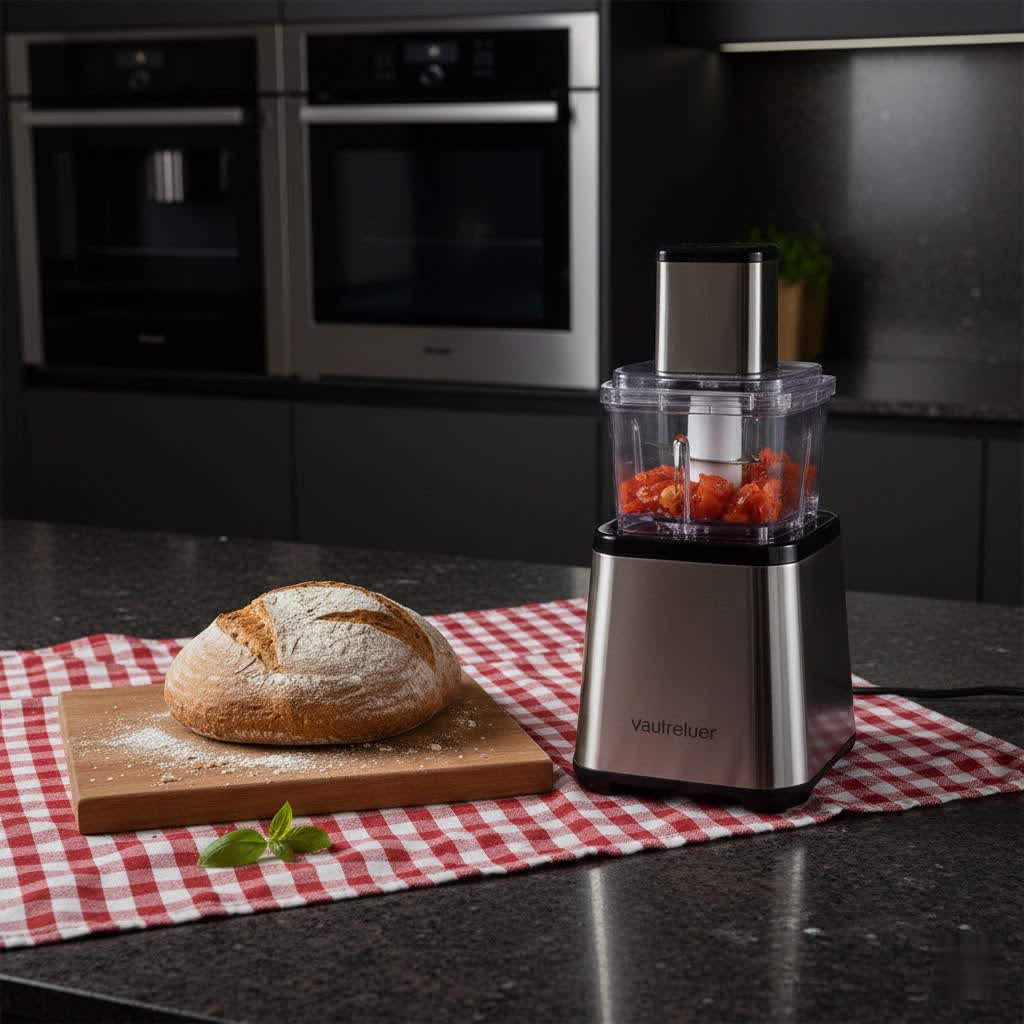
While the core keyword is “hand-held,” some compact electric choppers are small enough to be considered alongside manual versions, offering similar convenience with less effort. These are essentially mini food processors that fit easily on a countertop or in a cupboard.
- Pros: Electric choppers require minimal physical effort, performing tasks quickly and efficiently with the touch of a button. They often come with powerful motors, capable of handling tougher vegetables or larger batches than most manual models, and some offer multiple speed settings for varied textures from coarse chop to puree.
- Cons: They are generally more expensive than manual options and require an electrical outlet to operate. The motor unit itself is usually not immersible, making cleanup potentially more complex for certain parts.
- Ideal for: Those who frequently prepare larger meals, individuals with hand dexterity issues, or cooks who prioritize speed and consistency above all else and don’t mind sacrificing some portability. They are excellent for sauces, purees, and quickly processing a variety of ingredients.
Multifunctional Vegetable Choppers
Multifunctional choppers, often manual but sometimes with electric components, offer a broad range of cutting capabilities beyond simple chopping. These are designed with interchangeable blades or grates to perform slicing, dicing, grating, julienning, and even spiralizing.
- Pros: Their greatest advantage is versatility, allowing you to achieve various cuts with a single tool, often including a collection container. This eliminates the need for multiple gadgets and can significantly enhance the presentation of your dishes.
- Cons: With more parts and attachments, they can be bulkier to store and might involve a more involved cleaning process for all the components. They also tend to be on the higher end of the price spectrum due to their extensive capabilities.
- Ideal for: Avid home cooks or professional chefs who enjoy experimenting with different textures and presentations, or anyone seeking an all-in-one solution for diverse culinary tasks. They are perfect for creating elaborate salads, garnishes, and complex recipes.
Comparing Vegetable Chopper Types
Choosing the right vegetable chopper depends largely on your specific kitchen habits and needs. Here’s a comparison to help you weigh the options:
| Feature | Manual Hand-Held | Electric Hand-Held (Compact) | Multifunctional Hand-Held |
|---|---|---|---|
| Price | Lower | Mid to High | Mid to High |
| Functionality | Basic chopping, mincing | Faster chopping, pureeing, mixing | Diverse (slice, dice, grate, julienne, mince) |
| Pros | Portable, no electricity, generally easy cleanup | Fast, less physical effort, consistent results | Versatile cuts, often with container and multiple blades |
| Cons | Requires manual effort, smaller capacity | Needs power, motor unit not immersible, often louder | More components to store and clean, can be bulky |
| Best For | Small tasks, travel, budget-conscious, occasional use | Everyday chopping, sauces, purees, larger batches | Variety of cuts, large meal prep, gourmet presentation |
How to Choose the Perfect Hand-Held Vegetable Chopper
Selecting the ideal hand-held vegetable chopper involves a thoughtful assessment of your cooking habits, preferences, and kitchen environment. It’s not just about finding a tool, but finding the right tool that seamlessly integrates into your culinary workflow.
Assess Your Kitchen Needs
Start by considering how you cook. How often do you chop vegetables, and in what quantities?
- Quantity: If you frequently prepare large meals for a family or entertain often, a model with a larger capacity or an electric option might be more suitable. For quick individual meals or small additions to dishes, a compact manual chopper will suffice.
- Desired Functions: Do you only need basic chopping, or are you looking for a gadget that can also slice, dice, grate, or puree? Multifunctional choppers with interchangeable blades offer greater versatility.
- Budget: Hand-held choppers range in price, so setting a budget beforehand can help narrow down your choices. Manual options are generally more budget-friendly, while high-end electric or multifunctional models will cost more.
Select the Right Chopper Type
Based on your needs, decide which type best fits your lifestyle:
- Manual Hand-Held: Excellent for simplicity, portability, and when electricity isn’t available. Consider pull-cord models for effortless rotation or push-down choppers for direct dicing.
- Electric Hand-Held (Compact): Ideal for those who want speed and consistency with minimal effort, especially for larger volumes or harder ingredients.
- Multifunctional Hand-Held: If variety is key and you enjoy creating different cuts and textures, these choppers with various blade attachments are a fantastic investment.
Material Quality and Durability
The longevity and safety of your chopper largely depend on its construction materials.
- Blades: Always prioritize choppers with sharp, rust-resistant stainless steel blades. These ensure efficient cutting and stand up to frequent use and washing.
- Body: Look for sturdy, food-grade plastic (ideally BPA-free) for the body and container. Durable plastics like ABS can withstand impacts and daily wear. A non-slip base is also crucial for stability and safety during operation.
- Overall Construction: Check for robust build quality, secure locking mechanisms (if applicable), and comfortable ergonomic grips for ease of use.
Brand Reputation and User Reviews
Before making a purchase, leverage the experience of other users.
- Trusted Brands: Brands like OXO, Zyliss, Mueller, Fullstar, and Cuisinart are often well-regarded for their kitchen tools. Their products typically come with better customer support and warranty options.
- Customer Feedback: Read online reviews to gain insights into real-world performance, ease of cleaning, durability issues, and whether the chopper lives up to its claims. Pay attention to comments regarding specific tasks you intend to use the chopper for, such as chopping onions or hard vegetables.
By carefully considering these factors, you can confidently choose a hand-held vegetable chopper that not only meets your expectations but also enhances your overall cooking enjoyment.
Top Hand-Held Vegetable Choppers On The Market Today
Navigating the array of hand-held vegetable choppers can be overwhelming. To simplify your choice, here are some of the most highly-rated and popular models, each offering unique features and benefits to cater to diverse kitchen needs.
-
Zyliss Easy Pull Food Chopper and Manual Food Processor:
- Pros: This pull-cord model is praised for its efficient blade rotation, consistently producing finely chopped ingredients with minimal effort. Its large, comfortable handle and non-slip base make it intuitive and secure to use. It’s particularly effective for onions and puréeing.
- Cons: Some users note that it might bruise delicate herbs if over-processed. It also lacks measurement markers on its spacious bowl.
- Price: Mid-range.
-
OXO Good Grips Vegetable Chopper:
- Pros: Known for its robust build and patented blade design, the OXO chopper offers a comfortable, non-slip plunger for easy one-handed operation. It’s excellent for dicing onions, peppers, and other firm vegetables with precision, often including a collection cup. Many parts are dishwasher-safe.
- Cons: Can be challenging to clean food from the grid-like pattern of the blade without the included pick. It’s best for larger items and might not perfectly mince very small quantities.
- Price: Mid-range.
-
Mueller Pro-Series 10-in-1 Vegetable Chopper:
- Pros: This is a true multifunctional champion, offering numerous interchangeable blades for slicing, dicing, grating, and julienning, all contained within a single unit. It comes with a large collection container and is highly versatile for diverse meal prep.
- Cons: With many attachments, storage can be a challenge, and cleaning all the different blade inserts can be more time-consuming. The blades are exceptionally sharp, requiring careful handling.
- Price: Mid-range.
-
Fullstar Vegetable Chopper:
- Pros: Similar to the Mueller, the Fullstar is a popular all-in-one manual chopper that excels in dicing and slicing. It often includes multiple blade inserts and a storage container, making it highly functional for various tasks. Users appreciate its ease of use for uniform cuts.
- Cons: As with other multifunctional models, cleanup for all the various parts can be extensive. Some users find the push-down mechanism requires a fair amount of force for harder vegetables.
- Price: Mid-range.
-
Chef’n VeggiChop Hand-Powered Food Chopper:
- Pros: This pull-cord chopper is compact and highly effective for quick mincing and chopping. It’s particularly noted for its ability to finely chop onions, garlic, and herbs without needing electricity. It often comes with a lid for easy storage of chopped ingredients.
- Cons: Capacity is on the smaller side, best suited for individual servings or small batches.
- Price: Lower-mid range.
These top picks represent a range of designs and functionalities, ensuring there’s a hand-held vegetable chopper suitable for almost every cooking style and kitchen.
Tips for Using and Maintaining Your Hand-Held Vegetable Chopper
To maximize the performance, ensure the longevity, and maintain the safety of your hand-held vegetable chopper, proper usage and meticulous care are essential. These simple tips will help you get the most out of your kitchen gadget.
Usage Tips
- Pre-cut Larger Items: For choppers with blades or grids, it’s often best to pre-cut larger vegetables like potatoes, carrots, or large onions into smaller, manageable pieces (e.g., halves or quarters) that fit comfortably within the chopping chamber. This prevents the blades from getting stuck and ensures even chopping.
- Don’t Overfill: Resist the temptation to overload the chopper. Overfilling can strain the mechanism, lead to uneven chopping, and potentially damage the blades or housing. Work in smaller batches for optimal results.
- Pulse for Desired Consistency: For pull-cord or electric choppers, use short, quick pulses rather than continuous operation. This gives you greater control over the texture, allowing you to achieve anything from a coarse chop to a fine mince or puree. Shake the container between pulses to redistribute ingredients for more uniform results.
- Practice Safety: Always be mindful of the sharp blades. Use the provided hand guards or plungers when operating push-down choppers. Keep fingers away from rotating blades in pull-cord models. Store choppers with blades safely covered.
- Stability is Key: Ensure your chopper is placed on a stable, non-slip surface, especially for manual models that require force. Many choppers come with non-slip bases to prevent accidents.
Cleaning and Maintenance Tips
- Immediate Cleanup: The best time to clean your chopper is immediately after use, before food particles have a chance to dry and stick.
- Disassemble Carefully: Most hand-held choppers are designed for easy disassembly. Take them apart carefully, paying attention to how the pieces fit together for reassembly.
- Hand Washing Blades: While many components are dishwasher-safe, it’s often recommended to hand wash the blades with warm, soapy water and a brush. Always handle blades with extreme caution to avoid cuts.
- Remove Lodged Food: Use a small brush or the specialized cleaning tool often included with multifunctional choppers to dislodge any food bits stuck in blade crevices or on cutting grids.
- Thorough Drying: Ensure all parts are completely dry before reassembling and storing to prevent rust on metal blades and inhibit bacterial growth.
- Proper Storage: Store your chopper in a clean, dry place. If it comes with a storage container or blade covers, use them to protect the blades and keep all components together, preventing loss or damage.
By incorporating these usage and maintenance tips into your routine, your hand-held vegetable chopper will remain a safe, efficient, and long-lasting asset in your kitchen.
Conclusion
In a world where time is a precious commodity, the hand-held vegetable chopper stands out as an indispensable kitchen tool, fundamentally transforming the way we approach meal preparation. We’ve explored how these ingenious devices offer unparalleled efficiency, delivering consistent cuts and dramatically reducing prep time, all while enhancing kitchen safety. From the simple yet effective manual pull-cord models to the versatile multifunctional units, there’s a chopper designed to meet every culinary need and preference. By understanding the types, evaluating material quality, and heeding user insights, choosing the perfect hand-held vegetable chopper becomes an empowering step towards a more enjoyable and efficient cooking journey.
Embrace the convenience and precision that these compact powerhouses bring to your kitchen. Say goodbye to tedious chopping and hello to more time for what truly matters – whether it’s savoring your delicious creations or simply enjoying moments outside the kitchen. Which hand-held chopper will revolutionize your kitchen first?
Frequently Asked Questions
Are hand-held vegetable choppers difficult to clean?
Most hand-held vegetable choppers are designed for easy cleaning, often featuring detachable and dishwasher-safe components. While blades require careful hand washing, many models come with brushes or tools to remove stubborn food, making the process straightforward and hassle-free.
Can hand-held choppers handle hard vegetables?
Yes, many hand-held choppers, especially those with robust stainless steel blades and sturdy mechanisms (like pull-cord or push-down designs), are capable of chopping hard vegetables such as carrots, potatoes, and onions. Pre-cutting these into smaller pieces can help ensure optimal performance.
What’s the difference between a hand-held chopper and a food processor?
A hand-held chopper is typically a smaller, manual or compact electric device primarily designed for quick chopping, mincing, and dicing. A food processor is a larger, more powerful electric appliance with a wider range of functions, including slicing, shredding, kneading dough, and more extensive processing tasks.
Are hand-held vegetable choppers safe to use?
When used correctly, hand-held vegetable choppers are very safe. They significantly reduce direct contact with sharp blades compared to using a knife, minimizing the risk of cuts. Always follow the manufacturer’s instructions, use any provided safety guards, and handle blades with care.
