Tired of endless chopping and dicing, turning meal preparation into a monotonous chore? For many, the kitchen’s most time-consuming task is the meticulous cutting of vegetables. An automatic vegetable chopper emerges as the ultimate solution, transforming tedious manual labor into an effortless, efficient process. This innovative kitchen appliance promises to cut down your prep time significantly, allowing you to enjoy cooking more and spend less time on the mundane.
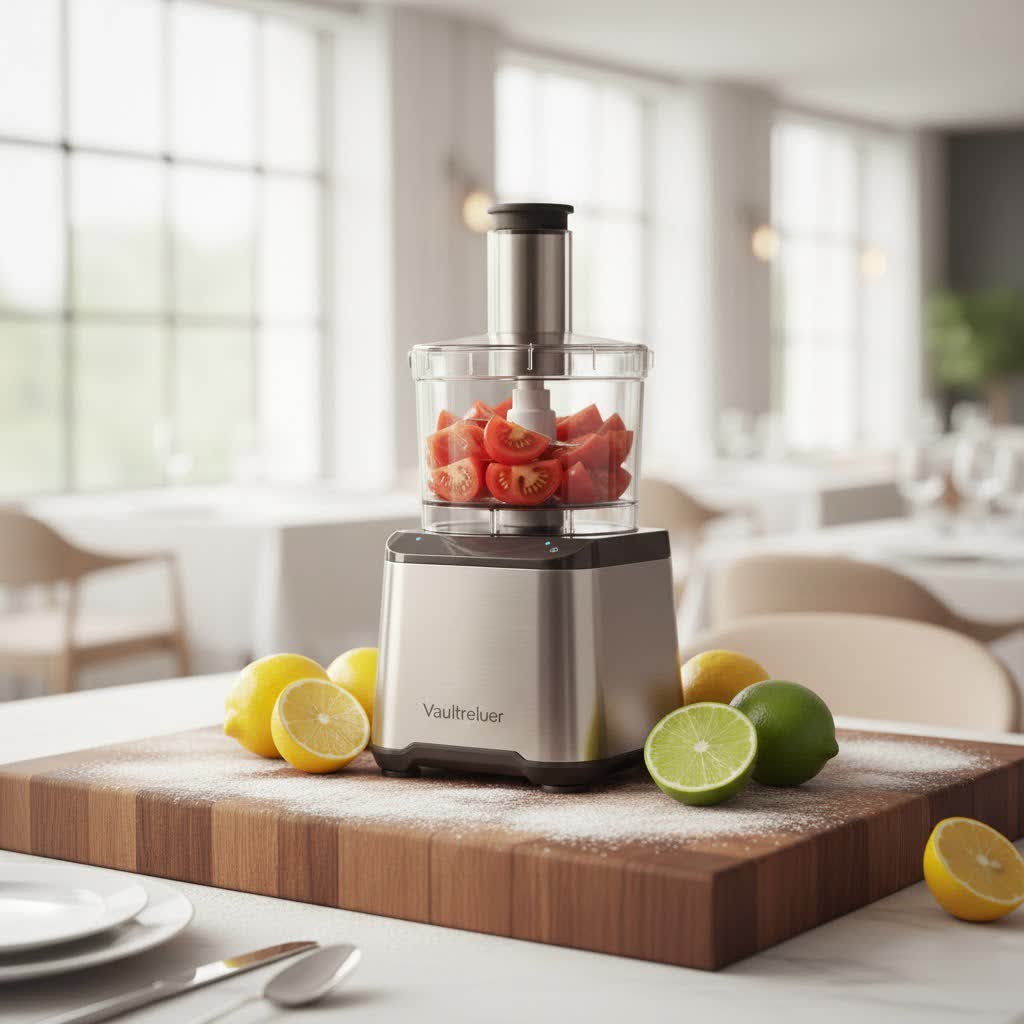
Automatic Vegetable Chopper: The Time-Saving Solution for Modern Kitchens
An automatic vegetable chopper is an indispensable tool in today’s fast-paced culinary world, designed to streamline one of the most fundamental aspects of food preparation. These devices use motor-driven rotating blades to process ingredients quickly and consistently, making them a cornerstone for efficient meal prep.
The benefits of embracing an automatic chopper extend far beyond mere convenience. Firstly, they are remarkable time-savers, reducing chopping time from minutes to mere seconds. Secondly, they deliver unparalleled consistency, ensuring every piece of vegetable is uniformly cut for even cooking and a professional presentation. This consistency is difficult to achieve with manual methods. Furthermore, automatic choppers eliminate the physical strain and hand fatigue associated with extensive knife work, making cooking more accessible and enjoyable. Safety is also a major advantage, as the enclosed blades minimize direct contact, significantly reducing the risk of cuts and injuries. Many models also boast enhanced hygiene, as your hands have less contact with the food during processing.
Understanding the Different Types of Automatic Vegetable Choppers
The market offers a range of automatic vegetable choppers, each catering to specific kitchen needs and preferences. Understanding their distinctions is key to making the right choice for your culinary endeavors.
Mini Electric Choppers
- Pros: These compact and often cordless devices are perfect for quick, daily tasks. Their small footprint makes them easy to store, and they are highly portable, ideal for smaller kitchens or for chopping minor ingredients on the go.
- Cons: Their limited capacity means they are not suitable for large batches, and their motors may lack the power to handle very firm vegetables or complex chopping tasks.
- Best for: Mini electric choppers excel at mincing garlic, chopping herbs, processing nuts, or preparing small quantities of ingredients for dips and sauces.
|
Our Picks for the Best Vegetable Chopper in 2026
As an Amazon Associate I earn from qualifying purchases.
|
||
| Num | Product | Action |
|---|---|---|
| 1 | Vegetable Chopper,12-in-1 Multifunctional Food Chopper,Professional Onion Chopper with 7 Blades,Vegetable Cutter with Container for Salad,Potato,Carrot,and Garlic; Essential Kitchen Tool(Grey) |

|
| 2 | Mueller Vegetable Chopper Mandoline Slicer, Food Veggie Chopper, Cheese Grater, Onion Vegetable Cutter with Container, Dicer, Kitchen Gadgets & Essentials, White Sand/Grey |
|
| 3 | Mueller Pro-Series All-in-One, 12 Blade Mandoline Slicer for Kitchen, Food Chopper, Vegetable Slicer and Spiralizer, Cutter, Dicer, Grater, Kitchen Gadgets Sets with Container, White Sand/Gray |
|
| 4 | Mueller The Real Original Pro Chopper since 2013 Vegetable Chopper Mandoline Slicer, 8 Blade Food Veggie Chopper Onion Vegetable Cutter with Container, Kitchen Gadgets & Essentials, (10 in 1) |
|
| 5 | Fullstar The Original Pro Chopper - Vegetable Chopper and Spiralizer, Food Chopper with Container, Fruit Slicer, Kitchen Gadgets & Gifts, Home Essentials (4 in 1, White) |
|
| 6 | Simple Deluxe Food Processor, 450W Electric Food Chopper with 2 Bowls (8 Cup+8 Cup) & 2 Bi-Level Blades, Small Electric Meat Grinder Processor for Nuts, Fruits, Meat, Vegetable, Baby Food, Silver |
|
| 7 | Semi-Automatic 12-Inch Commercial Electric Food Slicer - 370W Motor with Precision-Adjust Blade for Home & Kitchen Use Chromium Steel Construction |
|
| 8 | OXO Good Grips Vegetable Chopper |
|
| 9 | ONCE FOR ALL Safe Mandoline Slicer 5 in 1 Vegetable Chopper Food Potato Cutter, Strips Julienne Dicer Adjustable Thickness 0.1-8 mm Kitchen Chopping Artifact Fast Meal Prep (Gray) |
|
| 10 | Fullstar Mandoline Slicer for Kitchen - Vegetable Chopper, Onion Potato Food Veggie Fruit Slicer and Cutter with Container, Kitchen Gadgets & Gifts, Home Essentials (6-in-1, White/Black) |
|
Full-Size Food Processors with Chopping Functions
- Pros: Representing the upper tier of automatic choppers, full-size food processors are powerful, high-capacity machines capable of a wide array of functions beyond basic chopping, including slicing, shredding, pureeing, and even kneading dough.
- Cons: Their larger size requires significant counter and storage space, and they typically come with a higher price tag.
- Best for: These are ideal for large families, avid home cooks, or even professional settings where batch cooking and diverse culinary needs are paramount.
Multi-Functional Electric Choppers
- Pros: These choppers offer impressive versatility with interchangeable blades designed for various cutting styles—from dicing and slicing to grating, julienning, and spiralizing. They provide efficiency for specific prep requirements.
- Cons: The multitude of attachments can sometimes make them complex to assemble, use, and clean, requiring more parts management.
- Best for: Enthusiastic cooks and chefs who require specific cuts and textures for diverse recipes will find these models invaluable.
Comparison Table: Automatic Vegetable Choppers at a Glance
Choosing between the different types of automatic vegetable choppers can be simplified by comparing their core features.
| Feature | Mini Electric Chopper | Full-Size Food Processor | Multi-Functional Electric Chopper |
|---|---|---|---|
| Price | Low to Medium | High | Medium to High |
| Functions | Basic chopping, mincing, pureeing | Wide range (chop, slice, shred, puree, knead) | Diverse cutting styles (dice, slice, grate, julienne, spiralize) |
| Pros | Compact, quick for small jobs, often cordless, easy to store | Powerful, large capacity, highly versatile, handles tough ingredients | Offers many specific cuts, efficient for varied prep, often includes safety features |
| Cons | Limited capacity, less powerful for very firm foods, may not offer uniform cuts consistently | Bulky, higher initial cost, more complex to clean all components | More parts to manage/clean, can be complicated for novice users, may take up more storage space |
| Ideal User | Small households, quick daily tasks, minimal storage space | Large families, serious home cooks, aspiring professionals, batch cooking | Enthusiastic cooks, those needing specific and varied cuts, meal preppers |
Choosing the Right Automatic Vegetable Chopper for Your Needs
Selecting the perfect automatic vegetable chopper involves a thoughtful assessment of your cooking habits and kitchen requirements. Investing in the right tool can significantly enhance your culinary journey.
Assess Your Usage Frequency and Volume
Before anything else, consider how often you plan to use the chopper and for what quantities. If you frequently prepare small amounts of ingredients like garlic or herbs, a compact mini electric chopper might be sufficient. For larger families, meal preppers, or those who often host, a full-size food processor or a multi-functional electric chopper with greater capacity will be more practical, allowing you to process more ingredients at once and reducing the need for multiple batches.
Consider Power and Blade Versatility
The motor’s wattage directly correlates with a chopper’s efficiency, especially when dealing with harder vegetables. A higher wattage provides more power, enabling faster and smoother processing of tough ingredients like carrots or sweet potatoes. Beyond power, examine the types of blades included. Look for models offering interchangeable blades, such as S-blades for versatile chopping, grid-style blades for uniform dicing, or zigzag blades for effective mincing. The more blade options, the greater the versatility for various recipes and cutting styles.
Material, Durability, and Safety Features
The longevity and safety of your chopper depend heavily on its construction. Opt for models with durable, sharp stainless steel blades, which maintain their edge longer and resist corrosion. The housing material, often BPA-free plastic, should be robust and food-safe. Crucially, prioritize safety features. A non-slip base ensures stability during operation, preventing accidents. Locking mechanisms that keep the lid and bowl securely fastened are essential. For choppers with mandoline or spiralizer attachments, finger guards are vital for protecting your hands from sharp blades.
Ease of Cleaning and Storage
A kitchen appliance’s practicality is greatly influenced by how easy it is to clean and store. Look for choppers with detachable, dishwasher-safe parts, such as the bowl and blades, to simplify post-cooking cleanup. Easy disassembly and reassembly are also important. For those with limited kitchen space, consider the chopper’s overall footprint and whether it offers compact storage solutions, such as blades that fit neatly inside the bowl. Some models even come with specialized cleaning brushes to tackle stubborn food bits.
Top Automatic Vegetable Choppers Recommended for 2026
The market for automatic vegetable choppers continues to evolve, with several brands consistently delivering innovative and high-performing models. While specific recommendations can vary, certain types and brands frequently stand out for their reliability and efficiency.
For those seeking robust performance, electric mini food processors such as the Cuisinart Mini-Prep Plus Food Processor are highly regarded. These compact units are celebrated for their powerful motors, making quick work of chopping onions, herbs, and even grating hard cheeses. They are excellent for everyday tasks, offering convenience without occupying excessive counter space.
Larger capacity models, often categorized as multi-functional electric choppers, like the Ninja Food Chopper Express Chop or certain Hamilton Beach and Kitchen in the Box electric choppers, are favored for their ability to handle bigger batches and diverse preparation needs. These units frequently feature multiple interchangeable blades for dicing, slicing, and pureeing, making them versatile workhorses for extensive meal prep or for home cooks who experiment with various recipes. Look for models with strong motors (e.g., 300-450W) and ample bowl capacities (e.g., 8-12 cups) to maximize efficiency and versatility.
Tips for Optimal Use and Maintenance of Your Automatic Vegetable Chopper
To get the most out of your automatic vegetable chopper and ensure its longevity, proper usage and diligent maintenance are key. Following these tips will help you maximize its efficiency and keep it in top condition.
Firstly, always pre-cut larger ingredients into manageable chunks before placing them in the chopper. This prevents overloading the motor and ensures more consistent results. For instance, half an onion or a quarter of a potato is usually ideal. Remember to remove any unwanted seeds or peels, as per your recipe or preference, before chopping.
When operating, secure the lid firmly to prevent spills and ensure the safety mechanism engages. Many choppers offer variable speed settings; use these to achieve your desired texture, from a coarse chop to a fine mince, avoiding over-processing.
Cleaning is crucial. After each use, disassemble the detachable parts, such as the blades and bowl. Most components are dishwasher-safe, but always check the manufacturer’s instructions, especially for blades, as harsh detergents can dull them over time. For hand-washing, use warm, soapy water and a brush to safely remove any stubborn food residue from the sharp blades. Always allow all parts to dry completely before reassembling and storing to prevent rust and mildew. Store blades in their designated holders or within the chopper’s bowl to protect them and keep your kitchen organized.
Conclusion
The automatic vegetable chopper is more than just a kitchen gadget; it’s a testament to how modern appliances can genuinely enhance our daily lives. By automating the often-dreaded task of chopping, these powerful tools free up valuable time, reduce effort, and bring professional-level consistency to your culinary creations. Whether you’re a busy parent, a passionate home cook, or someone simply looking to make healthy eating more accessible, an automatic vegetable chopper offers an undeniable advantage. From compact mini choppers perfect for everyday herbs to robust full-size food processors handling large batches, there’s a model designed to fit every need and kitchen size. Investing in this smart appliance means saying goodbye to tedious knife work and embracing a more efficient, enjoyable cooking experience. So, isn’t it time you discovered how an automatic vegetable chopper can transform your kitchen?
Frequently Asked Questions
Is an automatic vegetable chopper worth the investment for a home cook?
Absolutely. An automatic vegetable chopper significantly reduces prep time, offers consistent cuts, and minimizes the risk of knife-related accidents, making it a valuable addition for any home cook looking to streamline meal preparation and enhance cooking efficiency.
Can automatic vegetable choppers handle tough vegetables and fruits?
Yes, most automatic choppers with sufficiently powerful motors and sharp stainless steel blades can handle a variety of ingredients, from soft vegetables like tomatoes to tougher ones like carrots and potatoes, as well as fruits and nuts.
How do I clean my automatic vegetable chopper effectively?
For effective cleaning, disassemble all removable parts (bowl, lid, blades). Most are top-rack dishwasher safe, but verify with your manual. For blades, hand-washing with a brush and warm, soapy water is often recommended to maintain sharpness and prevent damage. Ensure all parts are completely dry before storing.
What’s the difference between an automatic vegetable chopper and a food processor?
While often used interchangeably, automatic vegetable choppers are typically smaller and more focused on basic chopping and mincing tasks. Food processors are generally larger, more powerful, and offer a wider range of functions, including slicing, shredding, pureeing, and dough kneading, making them more versatile for complex recipes.
What wattage should I look for in an automatic vegetable chopper?
For general home use, a wattage between 200-400W is usually sufficient for most vegetables. Higher wattage, especially 400W and above, is beneficial for tougher ingredients or larger capacities, ensuring more efficient and consistent chopping without straining the motor.
